Poultry Feeding Equipment
Poultry Feeding Equipment in Garden & Patio covers feeders, waterers, troughs and mounting hardware designed for backyard flocks and small-scale poultry operations. The 92 indexed products average a 4.31 rating and range from budget to mid-range price points (avg $72). Top brands include RentACoop among others
Top Products

Chicken Feeder No Waste 12 Ports Automatic 4 inch Poultry Feeder
DSTANA
Budget
Lil'Clucker 12-pack Automatic Chicken Waterer Cups
Lil'Clucker
Budget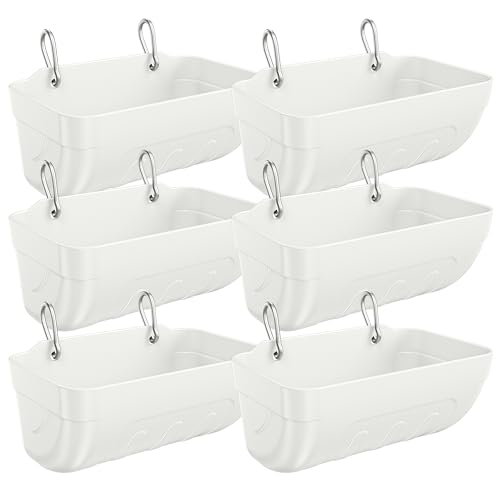
Goat Feeders Hanging 6 Pack 3.5 Quart Tiflev Poultry Feeder
Tiflev
Budget
Chicken Oyster Shell & Grit Feeder – Metal Automatic Chicken Feeder
YQDHYLYH
Budget
Chicken Oyster Shell & Grit Feeder Combo
Revolutionary Chicken
Budget
6 Pack Poultry Feeder and Waterer Trough with Clips
PIREKZUNT
Budget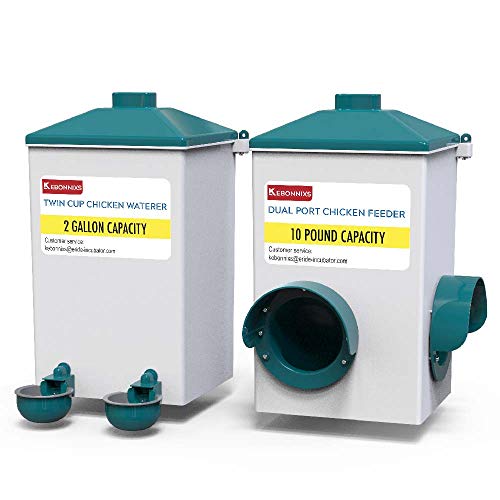
Automatic chicken cup waterer and port feeder set
KEBONNIXS
Budget
Chicken plucker fingers 150 pcs, rubber for plucker machine
CO-Z
Mid-Range
Automatic chicken feeder and waterer set
ZINZINULER
Budget
Farm Innovators Heated Base for Double-Wall Metal Poultry Founts
FARM INNOVATORS
Mid-Range
Medium Poultry Restraining Cone (8 lb) for Chickens & Turkeys
HOLDLY
Budget
4Pcs Chicken Waterer Feeder Stand with 4 Legs & Round Base
Beyoogeem
Budget
Chicken Feeder and Chick Feeder set, 32 lb capacity
ZINZINULER
Budget
Chick Brooder Box Starter Kit with Perch
POMINEL
Mid-Range
DIY chicken feeder and waterer kit with hole saw and drill
LEIFEOSH
Budget
RentACoop Metal Trough Feeder with Lid for Outdoor Poultry
RentACoop
Mid-Range
OverEZ Chicken Feeder - 50 lb Capacity, Indoor/Outdoor
OverEZ Chicken Coop
Mid-Range
12-port poultry feeder kit with rain proof ports
YANZI
Budget
Chicken feeder waterer 6-pack hanging trough
JNYLYFC
Budget
RAC Paws DIY Auto-Fill Waterer Kit with Metal Cups
RentACoop
Budget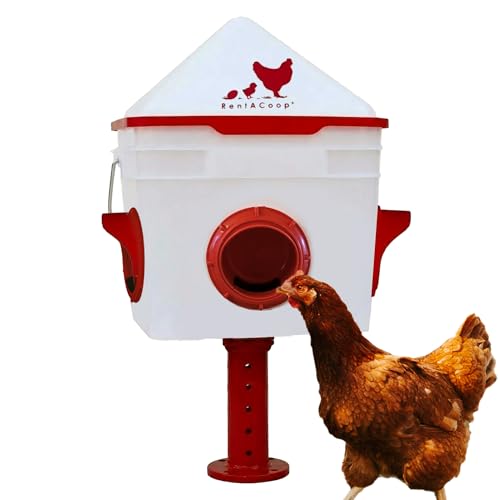
RentACoop 10lb 4-Port Feeder for Chickens & Smaller Birds
RentACoop
Budget
Chicken Feeder Waterer 6-Pack Hanging Poultry Trough
JNYLYFC
Budget
Zeolite Chicken Dust Bath by ARDEN LINE
ARDEN LINE
Budget
OverEZ Compact Chicken Feeder - 25 lb capacity
OverEZ Chicken Coop
Mid-RangeRoundups
Frequently Asked Questions
How do I choose the right type of poultry feeder for my flock size?
Match feeder capacity and feed flow type to flock size: small trays or nipple drinker systems for 1–10 birds, gravity or tube feeders for 10–50 birds, and bulk or trough feeders for larger flocks; also consider feeder spacing to avoid crowding and spoilage
What materials and build features should I look for to ensure durability outdoors?
Look for corrosion-resistant materials such as galvanized steel, UV-stabilized plastic, or powder-coated metal, plus sturdy mounts or legs, weather-resistant seals, and simple mechanical parts to reduce rust and breakage from outdoor exposure
How can I prevent feed waste and contamination?
Choose feeders with spill guards, covered hoppers, raised stands, or anti-scratch/trap designs; keep feeders off damp ground, use lids to limit pests and rain, and clean regularly to prevent mold and bacterial growth
Are automatic or gravity feeders worth the extra cost compared with manual feeders?
Automatic and gravity feeders reduce daily labor and maintain more consistent feed availability, which is helpful for busy owners or larger flocks, but manual feeders are less expensive and simpler to maintain for very small flocks or budget-conscious buyers
What maintenance and cleaning schedule should I follow for poultry feeders?
Empty and rinse feed pans weekly, deep-clean hoppers and moving parts monthly or whenever you see buildup, inspect for rust/cracks each month, and replace damaged seals or trays promptly to prevent contamination and pests
How do I choose a feeder compatible with different feed types (crumbles, pellets, mash, scratch)?
Check manufacturer guidance: tube and gravity feeders handle pellets and crumbles well, deep pans or troughs are better for scratch and mash, and adjustable outlets or screens help control flow for fine or coarse feed
What are common safety considerations when installing feeders in a coop or run?
Install feeders at bird shoulder height to reduce waste, secure equipment to prevent tipping, avoid sharp edges, ensure electrical components (if any) are weatherproof, and position feeders to maintain dry bedding and reduce crowding and bullying