Power Log Splitters
Power log splitters for Garden & Patio are hydraulic and electric units designed to split firewood by force rather than manual ax work. The category spans budget through mid-range options (average price ~(price varies)) and includes brands like RYFT among 16 indexed products with an average rating of 4.44
Top Products

Kindling Splitter XL, Cast Iron Firewood Cutter
Mighty Hand
Mid-Range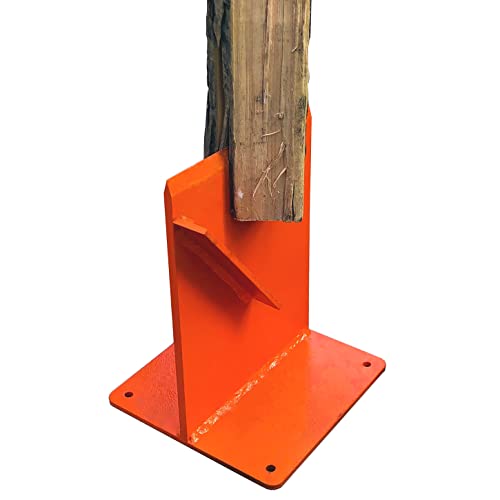
Wood Kindling Splitter by Hi Flame
Hi Flame
Budget
Wood Splitter with 4 Lbs Sledge Hammer - Log Splitting Tool
BH Blue Home
Mid-Range
Log wood splitter with cast steel double-blade kindling cracker
Meoligr
Mid-Range
Wood Splitter with 5.5 Lbs Sledge Hammer - Log Splitter (XL)
BH Blue Home
Mid-Range
Fire Beauty Wood Splitter - Cast Iron Manual Kindling Splitter
Fire Beauty
Mid-Range
Kindling Splitter XL, One-Piece Cast Iron Firewood Splitter
COICOTTC
Mid-Range
Wood Splitter with 4 Lbs Sledge Hammer
Eayslitter
Mid-Range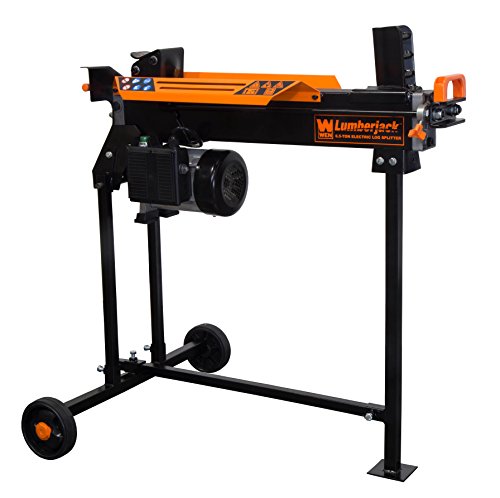
WEN 6.5-Ton Electric Log Splitter with Stand
WEN
Premium
RYFT 13GPM 2-Stage Hydraulic Pump for Wood Splitters
RYFT
Mid-Range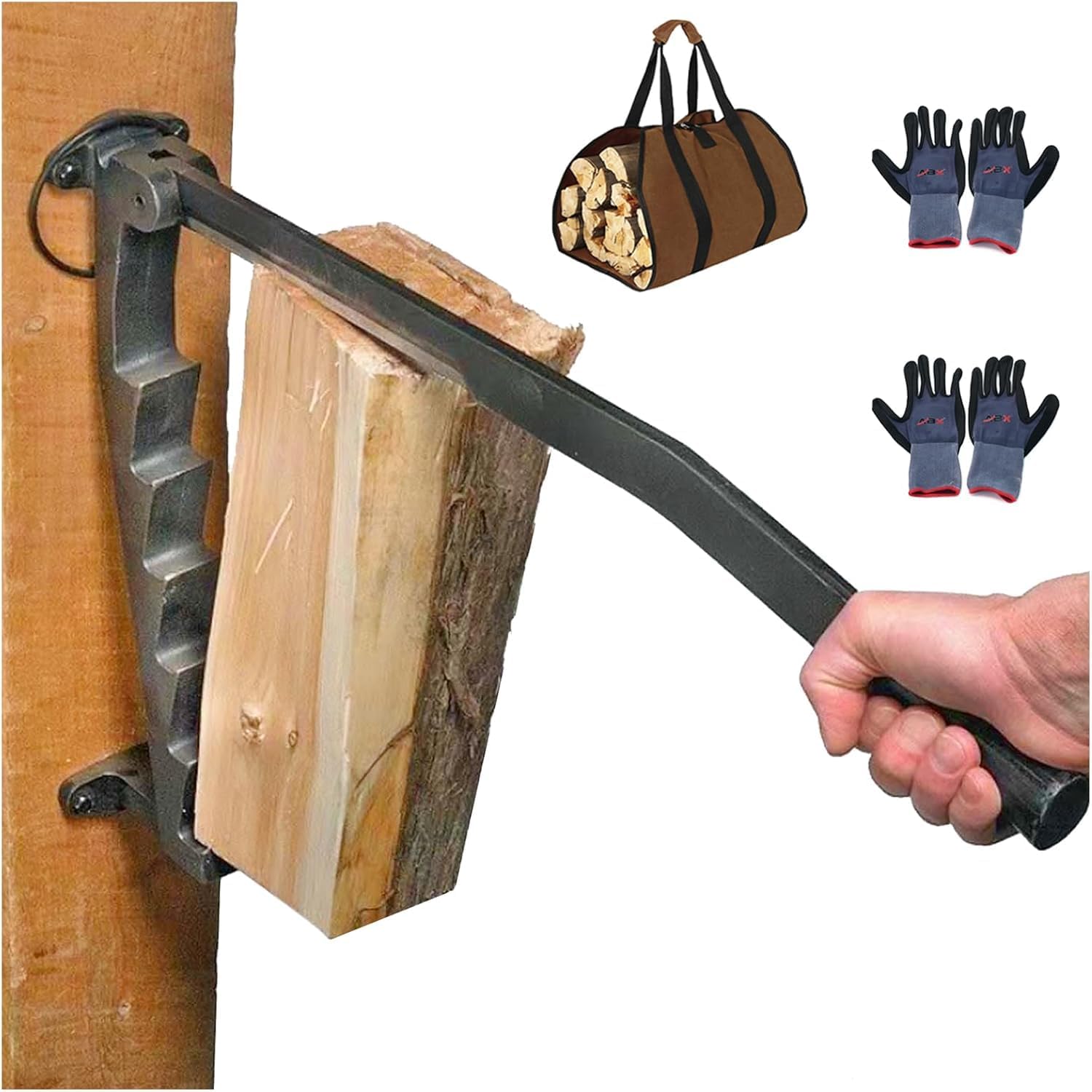
ABX Kindling Splitter, Wall Mounted Wood Splitter
ABX
Mid-Range
RYFT Hydraulic Log Splitter Pump 11GPM 2-Stage Hi/Lo Gear Pump
RYFT
Mid-Range
RYFT 2-Stage Hydraulic Log Splitter Pump, 16GPM, 3000 PSI, 3600RPM
RYFT
Mid-Range
Wood Splitter Log Splitter 12.6'' with Firewood Bag
YFFLO
Budget
PROYAMA 6.5 Ton Electric Log Splitter with Stand
Proyama
Premium
RYFT 2-stage Wood Log Splitter Pump 16GPM 1/2in ports
RYFT
Mid-RangeRoundups
Frequently Asked Questions
How do I choose the right log splitter size and power for my needs?
Choose by the maximum log length and splitting force: small electric models suit logs up to 12–20 inches and light use, while larger gasoline or hydraulic units handle 20–30+ inch logs and heavy use; match splitter tonnage (commonly 5–30+ tons) to wood species—hardwoods need higher tonnage
What are the differences between electric, hydraulic, and gas-powered log splitters?
Electric splitters are quieter, lower maintenance, and best for light to moderate home use; hydraulic systems provide smooth, steady force and are used in both electric and gas models; gas-powered units deliver higher power and portability for frequent or heavy-duty outdoor use but require more maintenance and fuel
What safety features and gear should I look for when buying a log splitter?
Look for two-handed controls or safety interlocks, shielded moving parts, stable base or wheels with locking, and automatic return; always plan to use gloves, eye protection, steel-toe boots, and follow the manufacturer's safe operating instructions
How much should I expect to spend and what do price differences reflect?
Prices vary by power, tonnage, and build quality; budget electric models start lower while mid-range consumer splitters average in the low hundreds, and higher-capacity or gas units cost more; higher prices generally reflect greater splitting force, longer log capacity, and sturdier construction
What maintenance is required to keep a log splitter performing well?
Regular tasks include checking and changing hydraulic fluid and filters per the manual, inspecting hoses and fittings for leaks, sharpening or replacing wedges, and keeping the unit clean and stored dry; for gas models, add engine maintenance such as oil and air filter changes
Can I split all types of wood with a standard log splitter?
Most consumer splitters handle common softwoods and many hardwoods, but very large, knotted, frozen, or root-ball logs may exceed capacity; dense hardwoods like oak require higher tonnage and may need multiple passes or a more powerful unit
What should I check regarding warranty and replacement parts availability?
Verify the length and coverage of the warranty (engine, hydraulic system, frame), and confirm access to replacement parts such as wedges, hydraulic seals, and engine components from the manufacturer or dealers before purchase