Rain Gauges
Rain gauges in Garden & Patio measure rainfall with simple analog or digital displays for home gardens and lawns. The 13 indexed products average a 4.38 rating and span mid-range prices (about $33–$76), with brands like AcuRite represented
Top Products
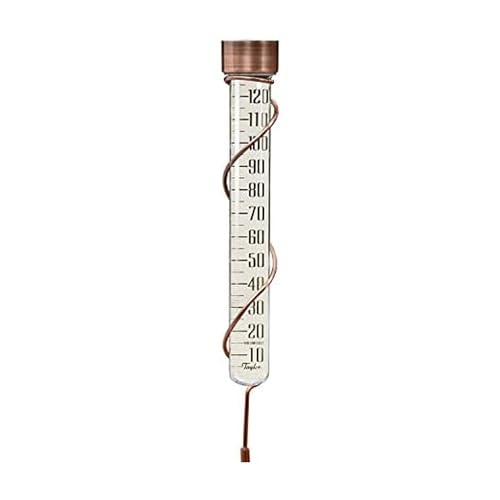
Taylor 5-inch Glass Rain Gauge, Bronze
Lifetime Brands Inc.
Budget
AcuRite wireless digital rain gauge with self-emptying collector
AcuRite
Budget
AcuRite wireless rain gauge with self-emptying collector
AcuRite
Budget
36 inch Snow Gauge with Thermometer
JMBay
Budget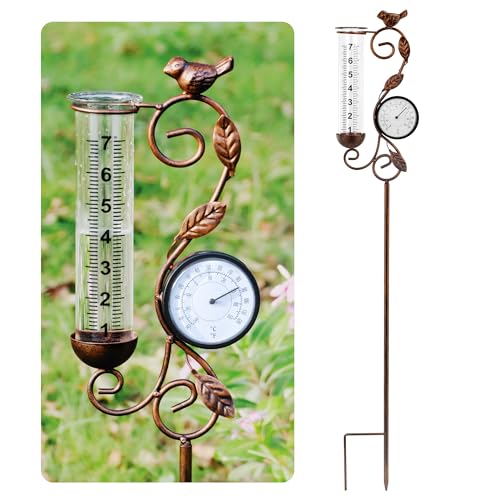
32in garden rain gauge with thermometer, outdoor yard decor
YNGFIL
Budget
WCRG Copper Rain Gauge with steel stake
World's Coolest Rain Gauge Co.
Mid-Range
Dragonfly Rain Gauge Garden Decor with Thermometer
YNGFIL
Budget
Digital Rain Gauge and Weather Station
HQcontL
Mid-Range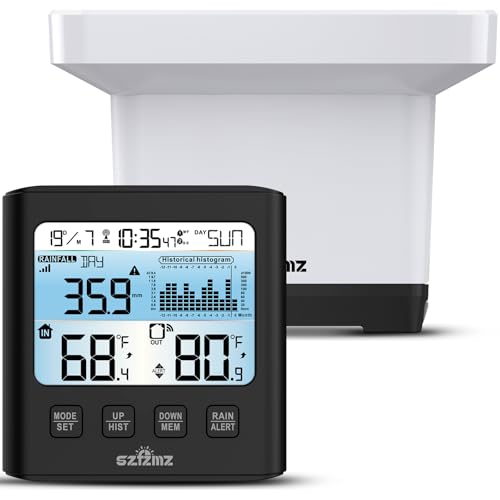
Wireless Rain Gauge with Self-Emptying, Backlight & Thermometer
Generic
Budget
32" Garden Rain Gauge with Thermometer and Bird Decor
YNGFIL
Budget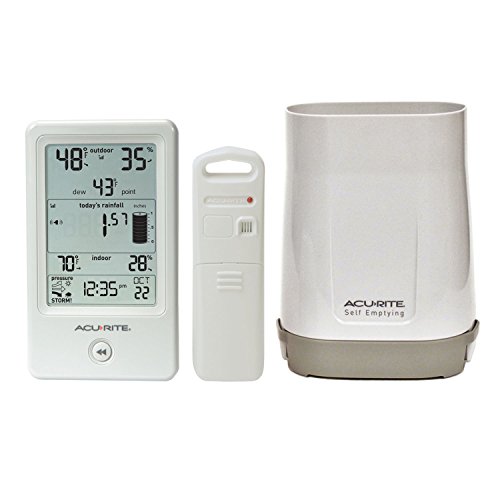
AcuRite Rain Gauge with Outdoor Sensor
AcuRite
Mid-Range
SPW Replacement Transmitter for WRCLIK/WRFCLIK (Grey-White)
SPW
Mid-Range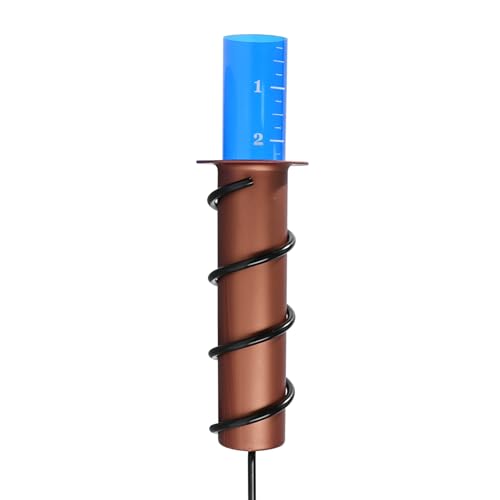
7.8-inch large rain gauge with steel stake, outdoor durable plastic tubing
POJUZILE
BudgetRoundups
Frequently Asked Questions
How do I choose the right type of rain gauge for my garden?
Choose between manual gauges (simple graduated tubes) and digital/analog with remote display based on convenience; consider capacity (larger collectors are better for heavy storms), mounting options (stake, post, or wall), and material durability (UV-resistant plastic or stainless steel) for outdoor exposure
What accuracy and resolution should I expect from consumer rain gauges?
Most consumer garden gauges measure to 0.01–0.25 inches (0.25–1 mm) per increment; digital models with tipping-bucket or electronic sensors often report finer resolution and cumulative totals, while basic manual gauges are accurate enough for routine garden irrigation decisions
Are there budget-friendly rain gauges that still perform well?
Yes—there are reliable manual and basic digital gauges commonly priced under $50; they provide adequate accuracy for home gardening, though higher-priced models may offer weatherproof displays, wireless connectivity, or larger capacity for more convenience
Where should I place and how should I mount a rain gauge for best results?
Place the gauge in an open area at least several feet from buildings, trees, or obstructions, mount it level at a standard height (about 2–4 feet above ground) on a stake or post, and ensure the top rim is horizontal to avoid biased measurements
How do I maintain and clean a rain gauge to keep it accurate?
Regularly empty and rinse the measuring tube or collector, remove debris and insects from screens or funnels, check seals and batteries for electronic models, and store or cover the gauge in freezing conditions to prevent crack or sensor damage
Do digital or wireless rain gauges offer meaningful advantages for home gardeners?
Digital or wireless gauges can provide convenience through automated totals, alerts, and remote monitoring, which is useful for precise irrigation scheduling, but they require batteries and occasional calibration or maintenance compared with simpler manual gauges
Can a rain gauge be used year-round, including winter?
Many gauges can be used year-round, but in freezing climates plastic collectors can crack and sensors can be damaged; for winter use, choose heavy-duty materials or remove and store the gauge during prolonged freezes or use a heated model designed for cold conditions