Soil Meters
Soil meters for garden and patio use that measure moisture, pH, and nutrient levels to guide plant care. The category includes 14 indexed products averaging 4.41 stars with mid-range prices (about $33–$65, avg $45) and brands like ECOWITT represented
Top Products

4-in-1 soil tester: moisture, pH, temp & sunlight
YAMRON
Budget
ECOWITT soil moisture tester with digital LCD
ECOWITT
Budget
ECOWITT WH51L soil moisture sensor with LCD display
ECOWITT
Budget
4-in-1 Soil pH Meter (2 Pack) for Indoor & Outdoor Plants
inanil
Budget
ECOWITT GW1206 soil moisture tester kit with GW1200 gateway
ECOWITT
Mid-Range
Ecowitt GW1106 soil moisture kit with GW1100 gateway and WH51 sensor
ECOWITT
Mid-Range
Smart Soil pH Meter for Garden and Indoor Plants
Jinan Runjie Electronic Technology co., Ltd.
Budget
RAINPOINT Smart Digital Wireless Plant Moisture Meter (Two-Pack)
RAINPOINT
Budget
Digital soil pH meter with calibration-free LCD display
LAWNFUL
Budget
Digital soil pH meter with high-precision probes
LAWNFUL
Budget
Digital soil pH meter tester for garden and lawn
JiNan Huiquan Electronic Co., Ltd
Budget
Tadeto Soil pH Tester with Thermometer LCD display
Tadeto
Mid-Range
Gain Express Soil pH Meter & Moisture Sensor (295mm) for Garden and Lawn
Gain Express
Mid-Range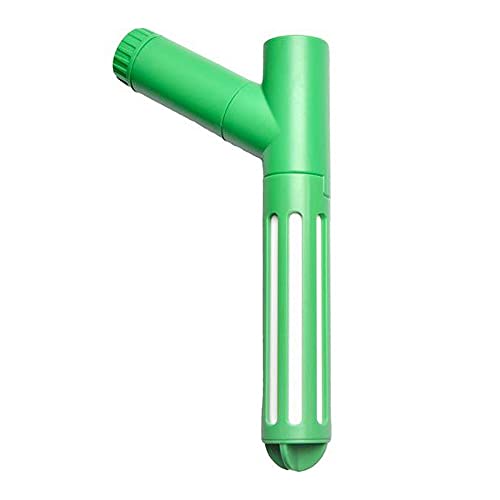
Ambient Weather soil moisture sensor for WS-2000/WS-5000
Ambient Weather
BudgetRoundups
Frequently Asked Questions
What types of soil meters are available and which should I choose for my garden?
Common types are simple analog moisture probes, digital multi-function meters (moisture, pH, light, temperature), and professional lab-style meters with replaceable probes; choose a basic moisture probe for casual houseplants, a multi-parameter digital meter for vegetable beds and container gardens, and a professional unit if you need lab-level accuracy or data logging
How accurate are consumer soil meters for moisture and pH readings?
Consumer moisture probes give reliable relative moisture trends but can vary between brands; pH readings from inexpensive meters are useful for approximate soil acidity (often ±0.3–0.5 pH) but are less precise than laboratory tests, so use them for general adjustments rather than exact measurements
What features should I look for when comparing soil meters?
Prioritize the sensing parameters you need (moisture, pH, EC/conductivity, light, temperature), probe length appropriate for your planting depth, digital readout and calibration options for pH/EC, battery type or power requirements, and build quality such as corrosion-resistant probes
How should I care for and maintain a soil meter to ensure good performance?
Rinse and dry probes after use to remove soil residues, avoid bending or hitting probes, store the meter dry and out of direct sun, replace batteries promptly, and follow manufacturer calibration procedures for pH or EC sensors before regular use
Are there budget-friendly soil meter options and what trade-offs do they have?
Budget meters under about (price varies) typically cover moisture and sometimes light/temperature with simple probes; trade-offs include lower pH/EC accuracy, fewer calibration options, shorter probe life, and limited durability compared with higher-priced multi-parameter units
Can I use the same soil meter for potted plants and in-ground garden beds?
Yes, provided the probe length and sensor type are appropriate: short probes work well for small pots, while longer probes (6–12 inches) are better for in-ground beds to sample root zone conditions; avoid forcing short probes into compacted ground
How often should I test soil with a meter and how should I interpret the readings?
Test when establishing baseline conditions and after changes in watering, fertilization, or soil amendments; interpret moisture as relative levels (dry, moist, wet) against plant-specific preferences and use pH/EC readings to guide adjustments rather than single-point decisions