Solar & Wind Power Inverters
This category covers solar and wind power inverters for garden and patio use, including small off-grid, hybrid, and inverter/charger units for outdoor lighting, pumps, and battery systems. About 50 products are indexed with an average rating of 4.37 and prices from budget to premium (avg ~(price varies)); brands include Renogy
Top Products

Pulsar Inverter Generator Parallel Kit, 30 Amp, 120V TT-30R
Pulsar
Mid-Range
VoLtTech 200W Inverter for Ryobi 18V, USB-C & USB, 110V-120V
VoLtTech
Budget
BELTTT 1000W Pure Sine Wave Inverter (12V to 110V) with LCD
BELTTT
Mid-Range
BELTTT 1500W Pure Sine Wave Inverter with Dual AC & USB
BELTTT
Mid-Range
Renogy 1000W Pure Sine Wave Inverter 12V to 120V
Renogy
Mid-Range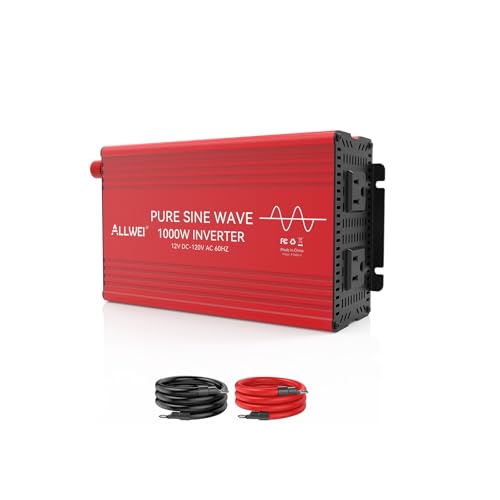
ALLWEI 1000W Pure Sine Wave Inverter 12V to 110/120V
ALLWEI
Mid-Range
Renogy 1000W Pure Sine Wave Inverter with UPS, Bluetooth
Renogy
Mid-Range
BELTTT 3000W Pure Sine Wave Inverter 12V DC to 110-120V AC
BELTTT
Mid-Range
VoLtTech 200W Power Inverter for Dewalt 18V/20V
VoLtTech
Mid-Range
BELTTT 2000W Pure Sine Wave Inverter w/ Dual AC, USB & Remote
BELTTT
Mid-Range
1000 Watt Pure Sine Wave Inverter with Remote
LANDERPOW
Mid-Range
Renogy 2000W Pure Sine Wave Inverter 12V DC to 110V AC
Renogy
Premium
Victron Orion-Tr DC-DC Converter 12/12V 30A 360W
Victron Energy
Mid-Range
Renogy 700W Pure Sine Wave Inverter 12V to 120V
Renogy
Mid-Range
1500W Pure Sine Wave Inverter for 12V DC to 120V AC
LANDERPOW
Mid-Range
Renogy 1000W Pure Sine Wave Car Inverter 12V to 110V
Renogy
Mid-Range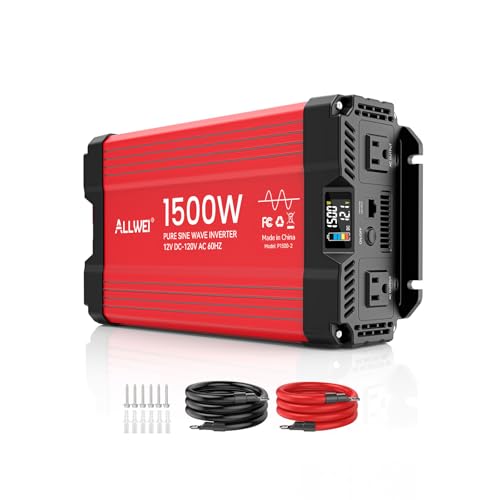
ALLWEI 1500W Pure Sine Wave Inverter 12V DC to 110V/120V AC
ALLWEI
Mid-Range
Renogy PUH 2000W Pure Sine Wave Inverter with UPS Transfer
Renogy
Premium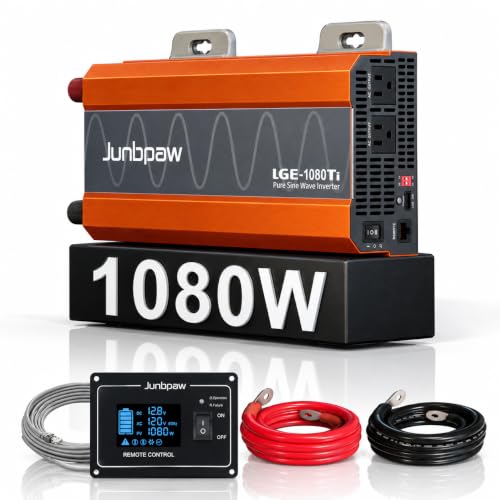
1080W 12V to 110V Pure Sine Wave Inverter
Junbpaw
Mid-Range
VoLtTech 350W Inverter for 18V Milwaukee, USB-C & USB-A, 2 AC ports, RGB light
VoLtTech
Mid-Range
3000W Pure Sine Wave Inverter 12V to 120V for RV & Off-Grid
LANDERPOW
Premium
ALLWEI 2000W Pure Sine Wave Inverter 12V DC to 110V/120V AC
ALLWEI
Mid-Range
VoLtTech 300W Car Power Inverter with 2 AC Outlets and 3 USB Ports
VoLtTech
Budget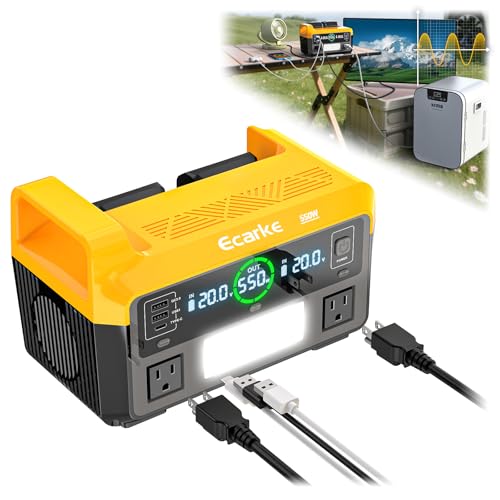
550W portable power inverter for 20V Dewalt battery
Ecarke
Mid-RangeRoundups
- Best Solar & Wind Power Inverters Under $50 (2026)
- Best Solar & Wind Power Inverters for Home Backup Power (2026)
- Best Solar & Wind Power Inverters for Camping Power Supply (2026)
- Best Solar & Wind Power Inverters Under $200 (2026)
- Best Solar & Wind Power Inverters Under $100 (2026)
- Best Solar & Wind Power Inverters (2026 Guide)
Frequently Asked Questions
How do I choose the right inverter size for a garden or patio solar/wind setup?
Estimate the total continuous wattage of devices you plan to run and add a 20–25% safety margin; choose an inverter whose continuous and peak (surge) ratings meet those needs. Also match the inverter DC input voltage to your battery bank or panel configuration (commonly 12V, 24V, or 48V) and verify the inverter’s waveform (pure sine for sensitive electronics, modified sine may work for simple pumps or lights)
Should I get a pure sine wave or modified sine wave inverter for outdoor use?
Pure sine wave inverters provide cleaner power compatible with motors, variable-speed pumps, and sensitive electronics, while modified sine wave units are cheaper and acceptable for resistive loads like simple lighting. For garden and patio systems with pumps, smart controllers, or LED drivers, pure sine is recommended for reliability
What safety and weatherproofing features are important for garden and patio inverters?
Look for inverters with adequate IP or NEMA enclosure ratings for outdoor installation, built-in protections such as overcurrent, overvoltage, reverse polarity and thermal shutdown, and clear grounding/earthing instructions. If installing outside, use a weatherproof enclosure or mount in a ventilated, sheltered location to protect electronics from moisture and debris
How long do solar or wind power inverters typically last, and what maintenance is required?
Typical inverter lifespans range from about 5 to 15 years depending on quality, loading, and environmental conditions. Routine maintenance includes keeping vents and fans clear of dust and foliage, ensuring secure electrical connections, checking for corrosion on terminals, and monitoring temperature and error codes; follow manufacturer service intervals for fan or capacitor checks if specified
What compatibility issues should I check between inverters, batteries, and chargers/controllers?
Confirm the inverter’s DC input voltage matches the battery bank and that battery chemistry (lead-acid, AGM, gel, lithium) is supported by the system’s charge controller and any inverter charging functions. Also ensure the charge controller or hybrid inverter supports the expected PV array voltage/current and that settings (float/absorption voltages) are configurable for your battery type
How much should I expect to spend on a garden or patio inverter?
Prices vary by capacity, waveform, and features; small off-grid or backup inverters for garden use commonly fall into lower hundreds of dollars, while higher-capacity pure sine or hybrid inverter/chargers cost more. For a rough category sense, expect average prices in the mid-hundreds of dollars, with lower-cost basic models below that and feature-rich units above
Can I connect an inverter directly to solar panels without a battery for patio loads?
Most standard off-grid inverters require a stable DC source from a battery bank; connecting panels directly is only possible with grid-tie inverters designed for PV arrays and proper interconnection equipment. If you want battery-less operation, use an inverter specifically rated for direct PV input or a grid-tie microinverter designed for solar panels