Swimming Pool Chlorine Alternatives
Alternative sanitizers and maintenance options for pools and spas — including mineral systems, salt-free oxidizers, silver/copper cartridges, and enzyme or bromine-based kits. 59 products indexed, average rating 4.56, price range about $33–$949, with brands like FROG represented
Top Products

Leisure Time Renew Non-Chlorine Shock Treatment for hot tubs & spas
LEISURE TIME
Budget
Chlorine-free pool shock oxidizer for pools & spas
In The Swim
Mid-Range
Chlorine-free pool shock-oxidizer, fast-dissolving
In The Swim
Mid-Range
Spa RENU5 Shock Renew Non-Chlorine Shock Treatment 5 lbs
LEISURE TIME
Mid-Range
SpaChoice 2-Pack Premium Spa Shock for Hot Tubs
SpaChoice
Budget
Chlorine-Free Shock & Tablet Bundle for Pools
In The Swim
Mid-Range
Jacuzzi ProClear Mineral Spa Sanitizer Cartridge for J-300/J-400/J-500 Series
Jacuzzi
Budget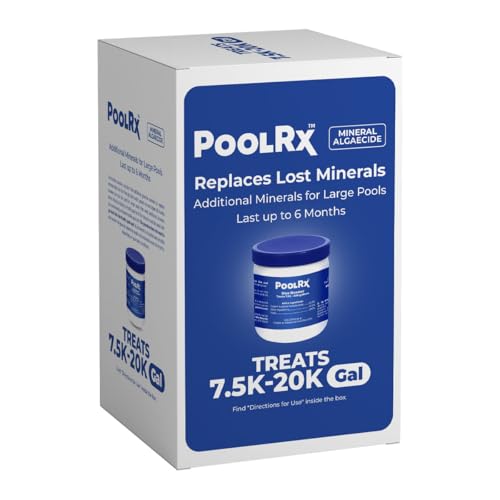
Pool RX 6 Month Algaecide Replacement, 8 oz, Blue
poolrx
Budget
Nature2 Spa Mineral Sanitizer 2 Pack W20750
Nature2
Mid-Range
Taylor Replacement Reagent R-0870-J DPD Powder 0.25 lb
Taylor Technologies
Budget
Sirona Simply Sanitizer Spa Liquid (827316) - 3-part system
Sirona Spa Care
Budget
FROG Filter Mate for Hot Tubs - Prefilled Mineral Dispenser Stick
FROG
Budget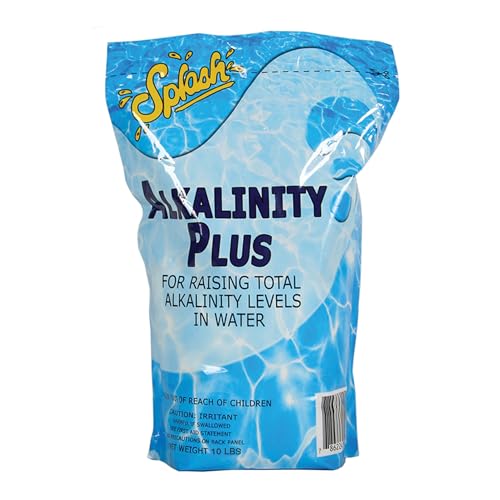
Robelle 10-Pounds Premium Alkalinity Up for Pools
Robelle
Budget
SpaChoice Spa Shock 2-Pack Premium Re-Energize, USA made
SpaChoice
Budget
SpaChoice Premium Re-Energize Non Chlorine Pool Shock (2-Pounds, 2-Pack)
SpaChoice
Mid-Range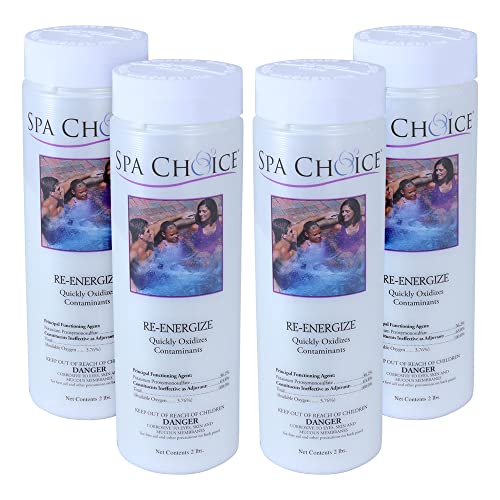
SpaChoice Premium Spa Shock 2-lbs 4-pack
SpaChoice
Mid-Range
Aquadoc Non-Chlorine Spa Shock for Hot Tub
MAV AquaDoc
Mid-Range
Remington Solar Chlorine-Free Sun Shock & Water Purifier
Remington Solar
Mid-Range
SpaChoice 2-Pounds 4-Pack Premium Re-Energize Spa Shock
SpaChoice
Mid-Range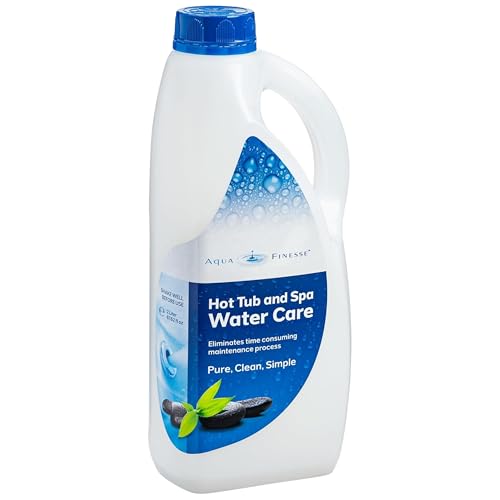
Aqua Finesse Solution Service Pack Refill Bottle, 2 L
Aqua Finesse
Mid-Range
Chlorine-Free Pool Shock - Fast-Acting Oxidizer
In The Swim
Mid-Range
Non-Chlorine Spa Shock Oxidizer for Hot Tubs (24 Packs) by POOLACC
POOLACC
Budget
SpaChoice 2-Pounds 6-Pack Premium Re-Energize Non Chlorine Pool Shock
SpaChoice
Mid-Range
4-in-1 Winter Pool Closing Kit for Above-Ground & In-Ground Pools
POOLACC
BudgetRoundups
Frequently Asked Questions
What types of chlorine alternatives are available for residential pools and hot tubs?
Common alternatives include bromine (for hot tubs and heated pools), salt chlorine generators (produce chlorine from salt but lower chemical handling), mineral systems (ionizers using copper/zinc), biguanide (PHMB non-chlorine sanitizer), and oxidation systems like ozone or UV that reduce sanitizer demand
How do I choose the right chlorine alternative for my pool size and usage?
Match the system to pool volume and bather load: bromine or mineral systems suit smaller or spa-like settings, salt generators and UV/ozone work well for larger or frequently used pools; check product capacity ratings and whether the system is compatible with your pool type (vinyl, plaster, or fiberglass)
What are the typical costs and maintenance requirements compared with standard chlorine?
Upfront costs vary from budget options under $50 (basic mineral cartridges) to several hundred dollars for generators or UV systems, with average category prices around the mid-hundreds; maintenance includes periodic replacement cartridges or lamps, monitoring sanitizer levels, and occasional supplemental shock or algaecide depending on the system
Can chlorine alternatives completely replace chlorine and are there limitations?
Some systems (bromine, biguanide) can fully replace chlorine, while others (salt generators, mineral systems, UV/ozone) typically reduce but may not eliminate the need for low-level chlorine or periodic shock; effectiveness depends on water balance, filtration, and bather load
How do chlorine alternatives affect water chemistry and pool equipment?
Alternatives can change pH, alkalinity, and stabilizer needs—salt systems increase water conductivity and require corrosion-resistant components; mineral and bromine systems have different ideal pH ranges and may require compatible test kits and sometimes separate shock treatments
What safety and health considerations should I know before switching?
Review handling and storage instructions for any chemicals, be aware that some systems (bromine, biguanide) have specific contraindications with chlorine and certain additives, and ensure proper ventilation for indoor pools; always test free/bound sanitizer levels and follow manufacturer guidance to maintain disinfection
How can I evaluate product quality and compatibility before purchasing?
Look for products with clear capacity and compatibility specifications, independent test or certification data when available, readable maintenance schedules, and user reviews for long-term reliability; verify compatibility with your existing pump, heater, and pool surface