Water Garden & Pond Treatment
Products for maintaining and treating backyard ponds and water gardens, including algaecides, beneficial bacteria, clarity treatments, deodorizers, and pond dyes. The category covers budget through premium options (124 products; average rating 4.35) and features brands like The Pond Guy
Top Products

API POND ALGAEFIX Algae Control 64-Ounce Bottle
API Pond
Budget
Airmax Pond Dye Packets Black DyeMond Colorant for Ponds
Airmax
Budget
Airmax pond dye packets: nature's blue colorant
Airmax
Budget
Airmax Pond Dye Plus - blue colorant & beneficial bacteria
Airmax
Mid-Range
Airmax Pond Dye Plus: Twilight Blue Colorant & Beneficial Bacteria
Airmax
Mid-Range
EasyCare FounTec algaecide and clarifier 64 oz
EasyCare
Mid-Range
Crystal Blue Lake and Pond Dye - 1 Gallon
Crystal Blue
Budget
API POND ECOFIX sludge destroyer pond cleaner
API
Budget
Concentrated Barley Straw Extract for Ponds 64 oz
MICROBE-LIFT
Budget
Airmax pond dye packets blue colorant for large ponds
Airmax
Mid-Range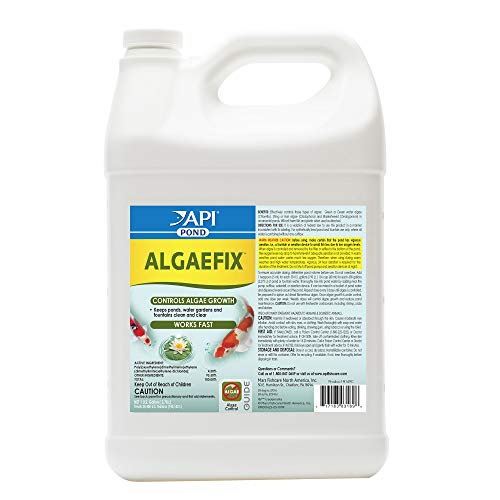
API POND ALGAEFIX Algae Control 1-Gallon Bottle
API
Mid-Range
CrystalClear Algae D-Solv Algaecide for Ponds
CrystalClear
Mid-Range
Muck Defense: natural sludge control for ponds
The Pond Guy
Budget
Pond Guy Spring & Fall Wheat Germ Fish Food for Koi & Goldfish
The Pond Guy
Budget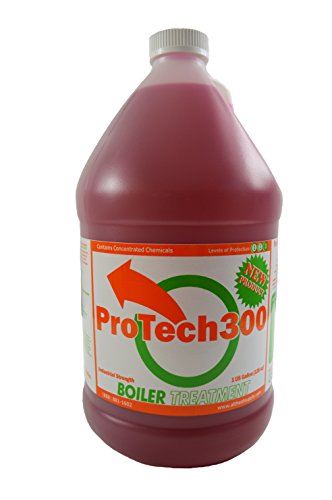
Outdoor boiler water treatment rust inhibitor ProTech 300 (1 gal)
Alternative Heating & Supplies
Mid-Range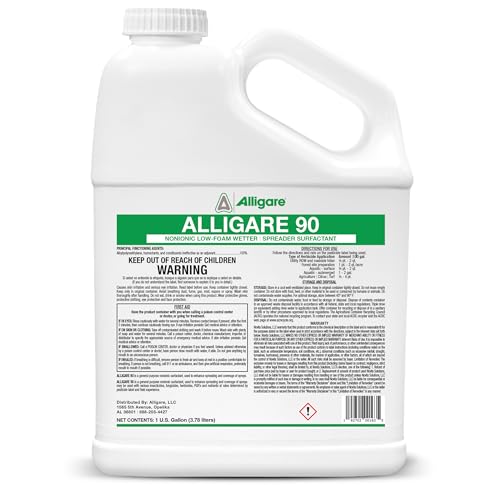
Alligare 90 Non-Ionic Surfactant, 1 Gallon
ALLIGARE
Budget
MICROBE-LIFT PL Pond & Outdoor Water Cleaner
MICROBE-LIFT
Mid-Range
API Pondcare Algaefix Alage Control, 32-Ounce (Pack of 2)
API
Mid-Range
Seasonal Defense for cool water ponds, 12 packets
The Pond Guy
Budget
Barley Straw Pellets Natural Pond Clarifier (6 lb)
The Pond Guy
Budget
API Pond Simply Clear 64-Oz Pond Water Clarifier
API
Budget
Clarity Defense Water Garden Flocculant
The Pond Guy
Budget
Autumn/Winter pond prep conditioner for clarity
MICROBE-LIFT
Mid-Range
Muck Defense: Natural sludge control for water gardens
The Pond Guy
Mid-RangeRoundups
- Best Water Garden & Pond Treatment for Algae Control (2026)
- Best Water Garden & Pond Treatment for Water Clarity Improvement (2026)
- Best Water Garden & Pond Treatment Under $200 (2026)
- Best Water Garden & Pond Treatment Under $100 (2026)
- Best Water Garden & Pond Treatment Under $50 (2026)
- Best Water Garden & Pond Treatment (2026 Guide)
Frequently Asked Questions
How do I choose the right pond treatment product for my water garden?
Select products based on pond size, primary problem (algae, cloudy water, ammonia/nitrite, organic muck), whether you have fish or plants, and whether you prefer chemical or biological treatments; follow dosage instructions tied to pond volume
What types of pond treatments are available and when should I use each?
Common types include algaecides for green water and filamentous algae, bacterial or enzyme blends for reducing organic sludge and improving clarity, and water conditioners to detoxify ammonia and chlorine; choose based on the specific symptom and safety for fish and plants
How much should I expect to spend on pond treatments?
Prices vary by product type and concentration; budget options for small ponds can be under $50, while concentrated biological or specialized kits fall into higher ranges, with an average product price around $80 across the category
Are biological (beneficial bacteria) treatments safe for fish and plants?
Yes—properly labeled beneficial bacteria and enzyme products are generally safe for fish and aquatic plants when used per instructions, because they work biologically to break down waste rather than introducing harsh chemicals
How often should I apply pond treatment products?
Application frequency depends on product type and pond conditions: some bacterial treatments are applied weekly or monthly as maintenance, algaecides are used only as-needed, and water conditioners are used when adding or treating water; always follow the manufacturer's schedule
Can I use different pond treatments together?
Many products are compatible, such as using beneficial bacteria with occasional algaecide, but always check product labels for compatibility notes and waiting periods to avoid reduced effectiveness or harm to fish
What maintenance steps improve treatment effectiveness?
Regular skimming, removing decayed plant matter, partial water changes, maintaining proper filtration and aeration, and monitoring water chemistry (pH, ammonia, nitrite) help treatments work better and reduce recurrence of problems