Wild Bird Feeders
Wild Bird Feeders for garden and patio settings include tube, hopper, platform, and hummingbird feeders designed to attract songbirds and other wild species. This category contains 378 indexed products, averages a 4.45 rating, spans about $32–$299 (avg $73), and features brands like LUJII among others
Top Products
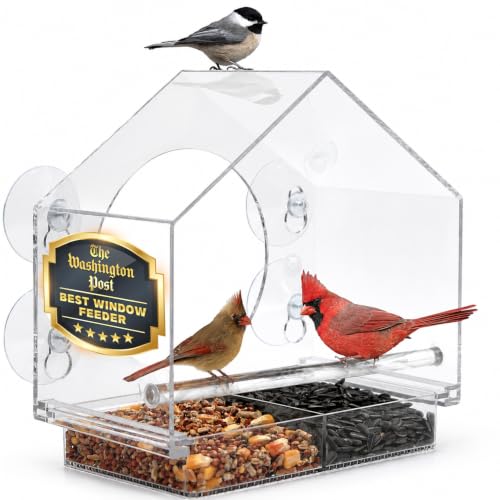
Nature Anywhere Window Bird Feeder
Nature Anywhere
Budget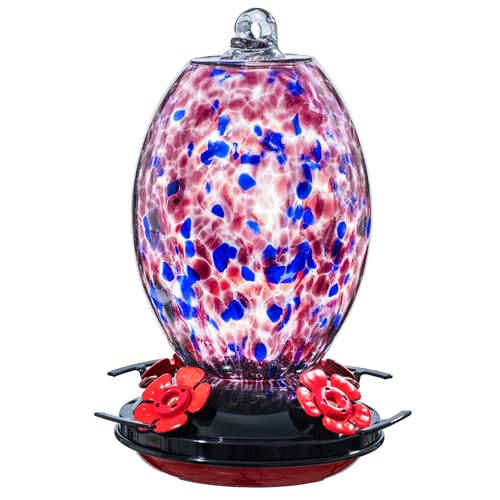
Muse Garden 27oz Blown Glass Hummingbird Feeder
Muse Garden
Budget
Window Bird Feeder with Suction Cups - Clear Window Mount
Nature's Hangout
Budget
Nature Anywhere Window Bird Feeder (2 Units) - Transparent Acrylic
Nature Anywhere
Mid-Range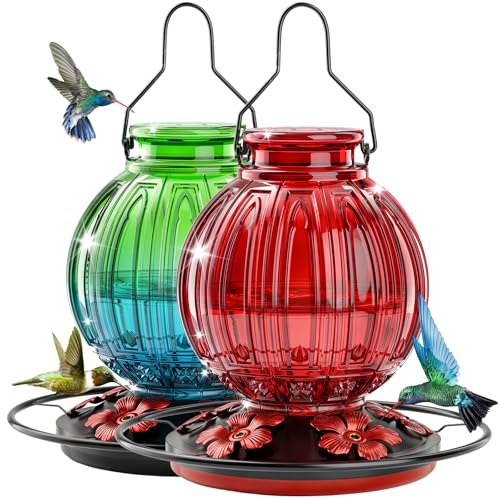
2 Pack Glass Hummingbird Feeder with Perch and 5 Ports
Grete Gotye
Budget
Hand Blown Glass Hummingbird Feeder with Ant Guard
LUJII
Budget
Glass Hummingbird Feeder with 5 Ports, 26 oz, 2 Pack
Grete Gotye
Budget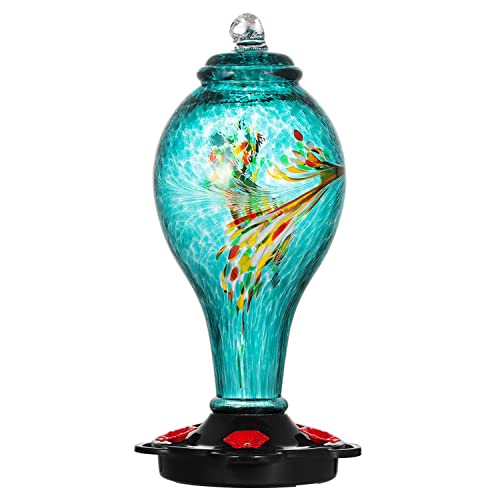
Lujii Hand Blown Glass Hummingbird Feeder, 36 oz, 5 ports
LUJII
Budget
Glass Hummingbird Feeder 2-Pack with 5 Ports
Grete Gotye
Budget
iBorn 6-Port Metal Bird Feeder, hanging wild bird feeder (14 inch, green)
iBorn
Budget
Window bird feeder with suction cups and tray
Nature's Hangout
Budget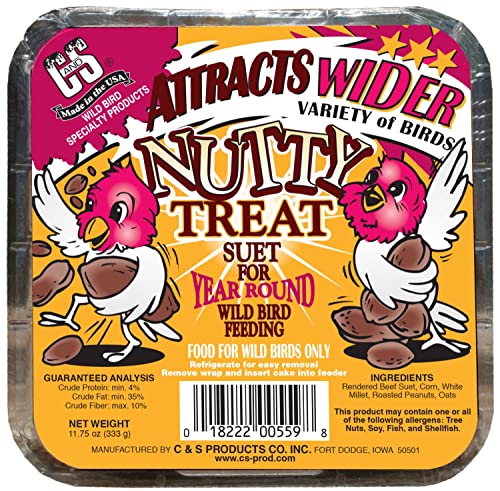
C&S Nutty Treat 11.75 oz (12 pack)
C&S
Budget
iBorn metal bird feeder with six ports, coffee coated finish
iBorn
Budget
iBorn metal bird feeder, 14in, 6-port, pack of 2
iBorn
Budget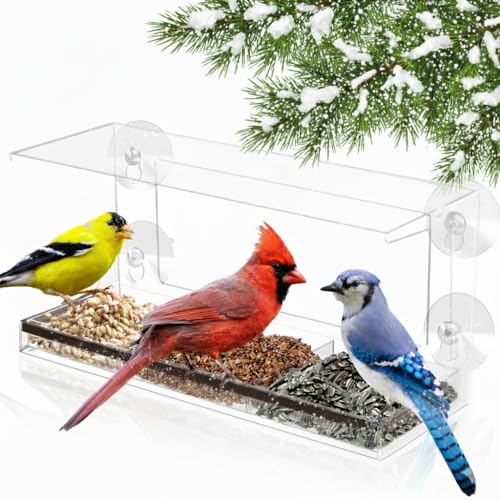
Clear Window Bird Feeder with Suction Cups
Nature's Hangout
Budget
Hand blown glass hummingbird feeder with ant guard, 36 oz
LUJII
Budget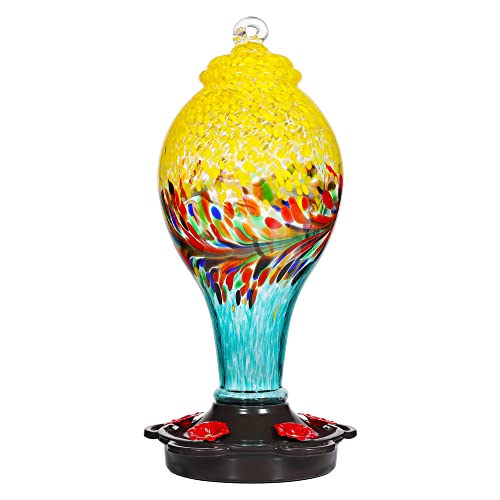
LUJII Hand Blown Glass Hummingbird Feeder with Ant Moat
LUJII
Budget
Window Bird Feeder with Suction Cups (2025 Model) Clear Acrylic
homebird
Budget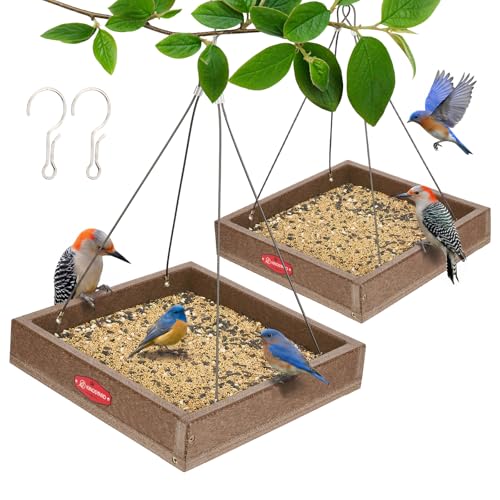
Kingsyard Platform Bird Feeder Tray (2 Pack) – Durable Recycled Plastic & Metal Mesh
Kingsyard
Budget
Kingsyard 2 Pack Platform Bird Feeder Tray for Outdoors
Kingsyard
Budget
Kingsyard 2 Pack Platform Bird Feeder Tray for Outdoor Hanging
Kingsyard
Budget
Cedar platform bird feeder with safflower seed option
Nature's Way
Budget
iBorn Hummingbird Feeders with Ant Moat, 12 Ports (Pack of 2)
iBorn
Budget
Muse Garden Hummingbird Feeder with Ant Moat, Blue Glass
Muse Garden
BudgetRoundups
- Best Wild Bird Feeders for Outdoor Garden Decor (2026)
- Best Wild Bird Feeders for Backyard Garden Decoration (2026)
- Best Wild Bird Feeders for Outdoor Patio Decor (2026)
- Best Wild Bird Feeders for Gift For Bird Lovers (2026)
- Best Wild Bird Feeders Under $200 (2026)
- Best Wild Bird Feeders Under $100 (2026)
- Best Wild Bird Feeders Under $50 (2026)
- Best Wild Bird Feeders (2026 Guide)
Frequently Asked Questions
How do I choose the right type of wild bird feeder for my yard?
Match feeder type to the birds you want: tube and hopper feeders suit small seed-eaters like finches and sparrows; platform and tray feeders attract ground feeders and larger birds; suet feeders and mesh sock feeders target woodpeckers and insect-eaters; and nectar feeders are for hummingbirds. Consider placement, weather protection, and whether you want squirrel-proof features when selecting a style
What size and material should I look for to ensure durability and weather resistance?
Choose feeders made from rust-resistant metals, UV-stable plastics, or rot-resistant woods; galvanized steel and powder-coated finishes last longer in wet climates. Size depends on bird traffic—larger capacity reduces refill frequency but can increase spoilage risk in humid areas, so balance capacity with local bird activity and climate
How much should I expect to spend on a reliable wild bird feeder?
Prices vary widely: budget options often start under $50, mid-range feeders commonly fall between $50 and $120, and high-end or specialty models can exceed that. Average market price for many feeders is in the lower-to-mid range, so set a budget based on desired features like squirrel resistance, capacity, and build quality
What features make a feeder squirrel- or pest-resistant?
Look for weight-activated perches or cages that close under squirrel weight, baffles installed above or below the feeder to block climbing, and metal construction on seed ports and perches to prevent chewing. Proper placement—mounting feeders on poles with baffles and keeping them away from launch points like trees or roofs—also reduces squirrel access
How should I clean and maintain a wild bird feeder to keep birds healthy?
Clean feeders every 1–2 weeks and immediately if you see mold, clumped seed, or sick birds; use a solution of one part household bleach to nine parts water or a mild detergent, rinse thoroughly, and dry completely before refilling. Regularly inspect for rust, cracked plastic, and clogged ports, and replace or repair damaged parts to prevent injury and disease spread
What types of bird food are best for different feeder styles?
Nyjer (thistle) is ideal for mesh tube feeders and finches; black oil sunflower is versatile for tube, hopper, and platform feeders and attracts many species; mixed seed blends suit general backyard birds but may increase waste; suet cakes provide high-energy feed for woodpeckers and nuthatches, while sugar-water nectar fits specialized hummingbird feeders
Where should I place feeders for optimal bird safety and viewing?
Place feeders 10–12 feet from cover like shrubs or trees to provide quick escape routes without giving predators easy access, and 4–5 feet off the ground for many feeders to deter cats. Ensure clear sightlines for viewing, position feeders where they are sheltered from prevailing winds, and avoid clustering different feeding styles too closely to reduce disease transmission