AA Batteries
AA-size (AA) batteries for health and wellness devices — including alkaline, NiMH rechargeable, and specialty cells for thermometers, blood pressure monitors, and fitness gadgets. 78 products indexed, average rating 4.52, price range $32–$360; top brands include Energizer and Eneloop
Top Products

Duracell Coppertop AA & AAA batteries 56 count
DURACELL
Mid-Range
Energizer Ultimate Lithium AA Batteries (12 count)
Energizer
Mid-Range
Eneloop AA 12-pack Ni-MH Rechargeable Batteries
Eneloop
Mid-Range
Eneloop AA 2100mAh Ni-MH Rechargeable Batteries (16 Pack)
Eneloop
Mid-Range
Duracell Coppertop AA Battery (1.5V) – 48 pack
DURACELL
Mid-Range
Allmax AA Maximum Power Alkaline Batteries 100 Count
Allmax Battery
Budget
Eneloop Pro AAA & AA Rechargeable Batteries 4-pack
Eneloop
Mid-Range
Amazon Basics 150-pack AA alkaline batteries
Amazon Basics
Budget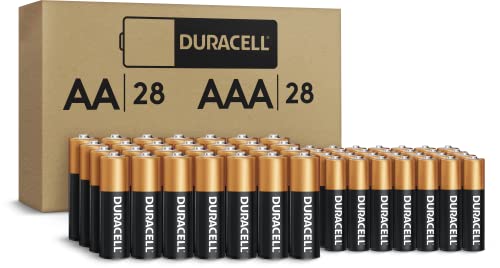
Duracell Coppertop AA + AAA Batteries 56-Count Pack
DURACELL
Mid-Range
Amazon Basics 250-Pack AA Alkaline Batteries
Amazon Basics
Mid-Range
Eneloop pro AA Ni-MH rechargeable batteries (8-pack)
Eneloop
Mid-Range
Amazon Basics 200-pack AA alkaline batteries
Amazon Basics
Mid-Range
Eneloop rechargeable AA/AAA battery kit (4-pack AA + 8-pack AAA) by Eneloop
Eneloop
Mid-Range
ACDelco Powermax 200-Count AA Batteries, 1.5V alkaline
Powermax
Mid-Range
Duracell Optimum AA Batteries 28 Count with Power Boost
DURACELL
Mid-Range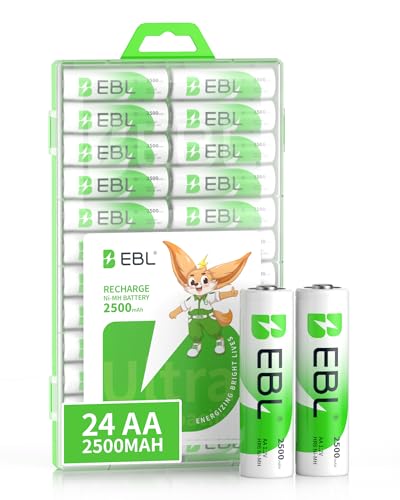
EBL AA Rechargeable Batteries 1.2V 2500mAh 24 Pack
EBL
Budget
Voniko AA Batteries – Premium 200-pack alkaline
Voniko
Mid-Range
Interstate AA Alkaline Batteries (48 Pack) All-Purpose 1.5V
Interstate Batteries
Mid-Range
Granicell AA NiMH rechargeable batteries 2800mAh 1500 cycles
Granicell
Budget
Duracell Coppertop AA Batteries 48 pack
DURACELL
Mid-Range
Energizer Ultimate Lithium AA Batteries - 20 pack
Energizer
Mid-Range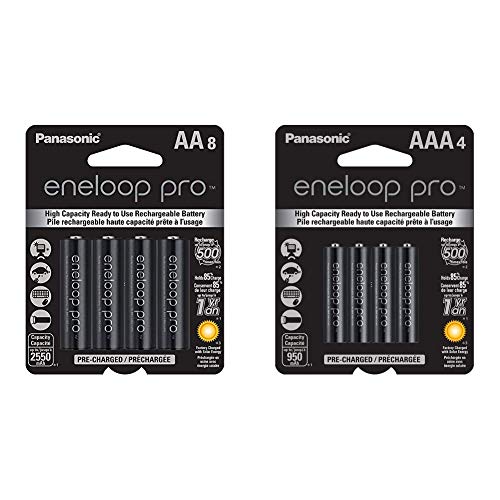
Eneloop Pro Ni-MH AA/AAA Rechargeable Batteries (8pk AA + 4pk AAA)
Eneloop
Premium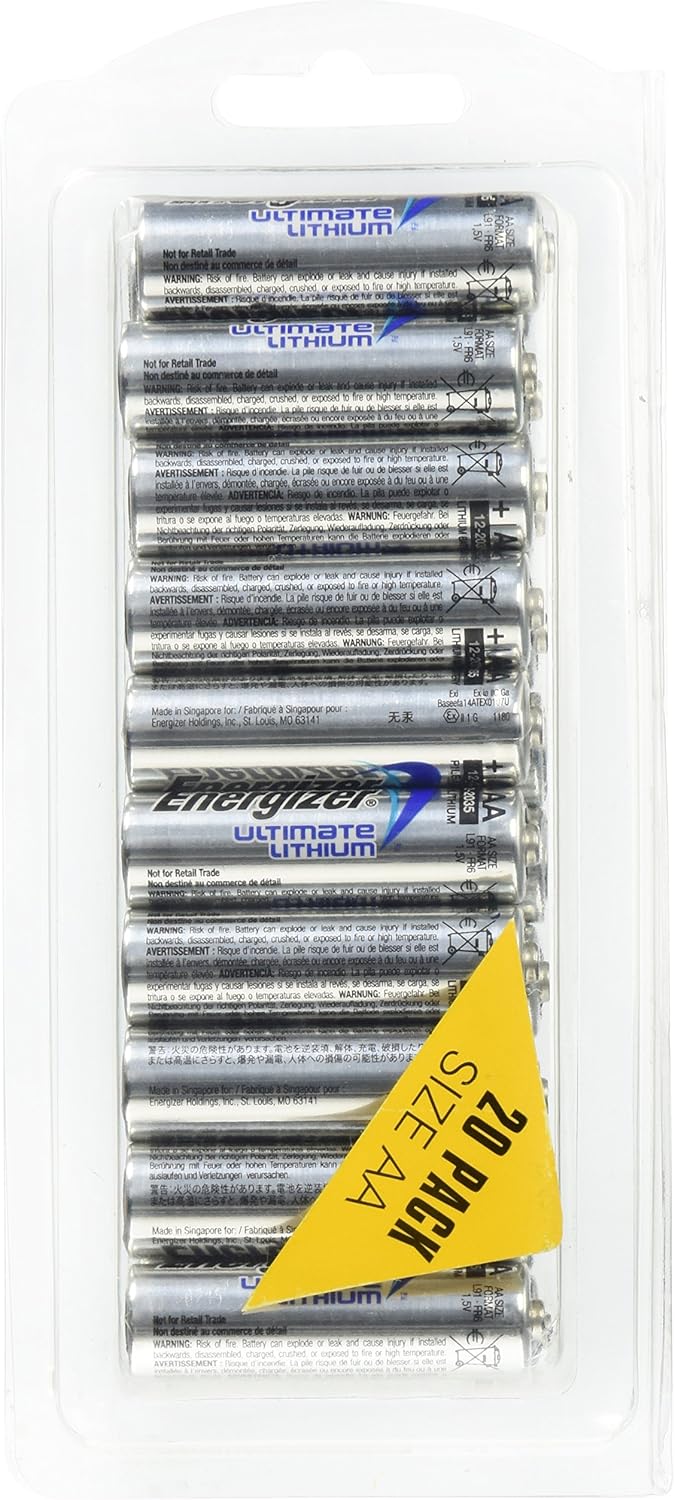
Energizer Ultimate Lithium AA Batteries 20 Pack
Energizer
Mid-Range
Energizer Ultimate Lithium AA Batteries Pack
Energizer
PremiumRoundups
Frequently Asked Questions
How do I choose the right AA battery type for health & wellness devices (e.g., glucose meters, thermometers, TENS units)?
Check the device manual for recommended chemistry (alkaline, NiMH rechargeable, or lithium) and required voltage; many medical devices work with standard 1.5V alkaline or rechargeable 1.2V NiMH cells but some high-drain devices perform better with lithium or high-capacity NiMH. Match the chemistry to device drain profile and follow manufacturer guidance for safety and accuracy
Are rechargeable AA batteries a practical choice for health devices and how do they compare to disposable ones?
Rechargeable NiMH AA cells typically have lower nominal voltage (1.2V) but offer much lower cost per use and less waste for moderate-to-high use; disposables (alkaline) have higher initial voltage (1.5V) and longer shelf life, which can be preferable for infrequent use or devices sensitive to voltage differences. For critical monitoring equipment, verify compatibility and consider keeping a fresh disposable set as backup
What capacity (mAh) should I look for in AA batteries used in health and wellness equipment?
Higher mAh ratings (e.g., 2000–2500 mAh for NiMH) mean longer runtime between charges for high-drain devices; alkaline cells are not usually rated the same way but last longer in low-drain devices. Choose higher-capacity NiMH for frequent use and standard alkaline for infrequent or long-term storage needs
How should I store and handle AA batteries for safety and longevity?
Store batteries in a cool, dry place at room temperature, keep them in original packaging or insulated holders to prevent shorting, avoid mixing old and new or different chemistries in the same device, and remove batteries from devices if they will be unused for months to prevent leakage and corrosion
How can I tell when AA batteries need replacing in health devices and what's the best way to dispose of them?
Signs include dim displays, reduced runtime, or device low-battery warnings; for rechargeable cells, reduced capacity after many charge cycles indicates replacement. Dispose of alkaline and rechargeable batteries according to local regulations—many areas have battery recycling programs or hazardous-waste collection points
Do reputable brands differ significantly for AA batteries used in health & wellness products?
Top brands typically adhere to similar quality and safety standards, but performance varies by chemistry and specific product lines (e.g., high-capacity NiMH vs. standard alkaline); compare capacity, recharge cycles, and safety data rather than brand name alone when selecting batteries for medical or wellness devices
Is it safe to use AA battery packs from different brands or mix rechargeable and disposable cells in the same device?
Mixing brands or chemistries is not recommended because differences in internal resistance and state of charge can cause leakage, reduced performance, or device damage; always use matched batteries of the same chemistry, capacity, and age in multi-cell devices