Allergy Medicine
This Allergy Medicine category covers antihistamines, nasal sprays, and other OTC treatments for seasonal and indoor allergies, with options from brands like Zyrtec and Flonase. It aggregates 48 products, averaging 4.68 stars and price points typically in the $33–$80 range, spanning budget through mid-range options
Top Products

KIRKLAND Aller-Flo Fluticasone Propionate nasal spray 5 bottles
KIRKLAND
Budget
Zyrtec 24 Hour Allergy Tablets Bundle Pack
Zyrtec
Budget
Kirkland Aller-Flo Fluticasone Propionate nasal spray 0.54 fl oz
KIRKLAND
Mid-Range
Zyrtec 24 Hour Allergy Relief Tablets, 60 count
Zyrtec
Budget
Allergy relief nasal spray with fluticasone propionate 50 mcg
Amazon Basic Care
Budget
Fluticasone nasal spray allergy relief
FlutiCare
Mid-Range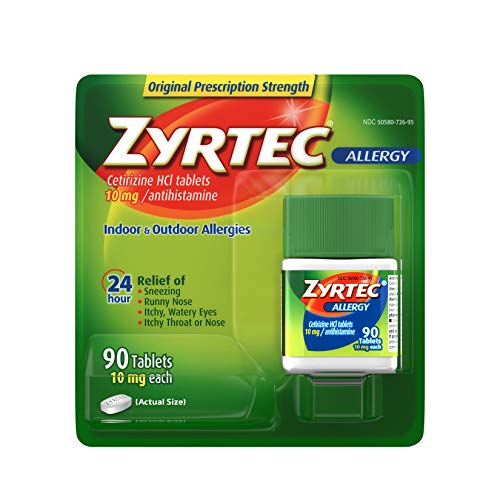
Zyrtec 24 Hour Allergy Relief Tablets 10mg
Zyrtec
Mid-Range
Zyrtec 24 Hour Allergy Relief Tablets – 90 + 3 travel packs
Zyrtec
Mid-Range
Zyrtec 24 Hour Allergy Tablets - 50 count travel packs
Zyrtec
Budget
Zyrtec Allergy Relief (10 mg), 90 tablets
Zyrtec
Mid-Range
Flonase Allergy Relief Nasal Spray, 24 Hour Non Drowsy (2-pack) 144 sprays
Flonase
Mid-Range
Claritin Children’s Allergy Medicine 5 mg chewables, grape flavor
Claritin
Budget
Claritin 10 mg Loratadine tablets for adults
Claritin
Mid-Range
Allegra Adult 24-Hour Allergy Relief Tablets
Allegra
Mid-Range
Claritin Children's Allergy Medicine 5mg chewables, grape & bubble gum (40 tablets)
Claritin
Budget
Flonase Sensimist Allergy Relief Nasal Spray - Family Pack
Flonase
Budget
Claritin 24 Hour Allergy Medicine, Non-Drowsy Loratadine Tablets
Bayer Healthcare LLC.
Mid-Range
NasalCrom Nasal Spray Allergy Symptom Controller 200 Sprays
NasalCrom
Mid-Range
Claritin 10 mg Non Drowsy 24 Hour
Claritin
Mid-Range
Fluticasone nasal spray 50mcg 4 pack, non-drowsy relief
FlutiCare
Mid-Range
Curist Fexofenadine 180 mg 300 tablets — non-drowsy allergy relief
Curist
Mid-Range
Nasonex 24HR Allergy Nasal Spray, Non-Drowsy, Scent-Free
Nasonex
Mid-Range
Nasacort Allergy 24hr Non-Drip Nasal Spray (120 sprays, 3 pack)
Nasacort
Mid-Range
Allergen Spray for Air & Surfaces (Allergy Asthma Clean) 100oz+
Allergy Asthma Clean
Mid-RangeRoundups
- Best Allergy Medicine for Daily Allergy Management (2026)
- Best Allergy Medicine for Seasonal Allergy Management (2026)
- Best Allergy Medicine for Daily Allergy Relief (2026)
- Best Allergy Medicine Under $200 (2026)
- Best Allergy Medicine Under $100 (2026)
- Best Allergy Medicine Under $50 (2026)
- Best Allergy Medicine (2026 Guide)
Frequently Asked Questions
How do I choose between antihistamine tablets and nasal steroid sprays?
Choose antihistamine tablets (like cetirizine, loratadine, or fexofenadine) for runny nose, sneezing, and itchy/watery eyes; choose nasal steroid sprays for nasal congestion, sinus pressure, and inflammation. For many people, combining a non-drowsy oral antihistamine with a daily nasal steroid spray gives broader symptom control, but consult a pharmacist or clinician if symptoms are severe or persistent
How long until allergy medicine starts working and how long should I expect relief?
Oral antihistamines often start working within 1 hour and can last 12–24 hours depending on the formulation; nasal steroid sprays may take several days to reach full effect but provide daily control with continued use. Fast-acting prescription options or injectable treatments differ, so follow labeled instructions and ask a clinician for persistent or worsening symptoms
Are there common side effects I should watch for and who should avoid certain allergy medicines?
Common side effects include drowsiness (more with older antihistamines), dry mouth, and nasal irritation for sprays. People who are pregnant, breastfeeding, have certain health conditions (like uncontrolled glaucoma, severe liver/kidney disease, or certain heart conditions), or take other medications should check with a clinician or pharmacist before starting a new allergy medicine
How do I pick an allergy medicine on a budget?
Look for generic versions of active ingredients (cetirizine, loratadine, fexofenadine, fluticasone) and multi-dose or multi-month packs to lower per-dose cost; over-the-counter generics typically cost less than brand-name equivalents. Compare active ingredient, dose, and formulation (tablet vs spray) rather than brand alone to find the for your needs
Can I take allergy medicine with other common medications or alcohol?
Non-drowsy second-generation antihistamines generally have fewer interactions, but some allergy medicines can interact with antidepressants, antifungals, antibiotics, or blood pressure drugs; alcohol and sedating antihistamines increase drowsiness and impairment. Always read labels for interaction warnings and check with a clinician or pharmacist if you take prescription drugs
When should I see a doctor instead of using over-the-counter allergy medicine?
See a doctor if symptoms are severe, persistent despite OTC treatment, cause difficulty breathing or sleep disruption, include recurrent sinus infections or ear problems, or if you need help distinguishing allergies from infections or other conditions. A clinician can confirm diagnosis, recommend prescription options, or refer for allergy testing or immunotherapy