Almonds
Shelved under Health & Wellness, this Almonds category covers raw, roasted, flavored, and specialty almond products for snacking and cooking, with about 66 listings and an average rating of 4.41. Prices span budget through premium (roughly $33–$290) and include brands like Blue Diamond Almonds and Food to Live
Top Products

Blue Diamond Oven Roasted Almonds with Sea Salt (7 count 0.6oz) 6-pack
Blue Diamond Almonds
Mid-Range
Blue Diamond Honey Roasted Almonds, 6 oz Reusable Cans (Pack of 12)
Blue Diamond Almonds
Budget
Wild Soil Terra Preta Almonds - Olive Oil Roasted
Wild Soil
Budget
Blue Diamond Salt N' Vinegar Almonds (2x12) single-serve bags
Blue Diamond Almonds
Mid-Range
Brown & Haley Almond ROCA Canister
Roca
Mid-Range
We Got Nuts Jumbo California Almonds 64oz (4 lb) – Raw, Shelled, Unsalted
We Got Nuts
Budget
Raw California Almonds 64 oz | Whole, Non-GMO, Gluten & Peanut Free
I'm A Nut
Budget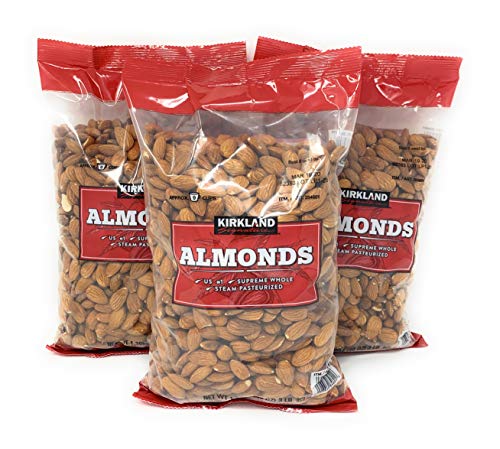
Kirkland Signature Whole Almonds, 3 Pack
KIRKLAND
Mid-Range
Blue Diamond Lightly Salted Almonds – 32 single-serve packs
Blue Diamond Almonds
Budget
Natural whole raw almonds, unsalted, no shell — 5 lb
AIVA WE BELIEVE IN QUALITY
Budget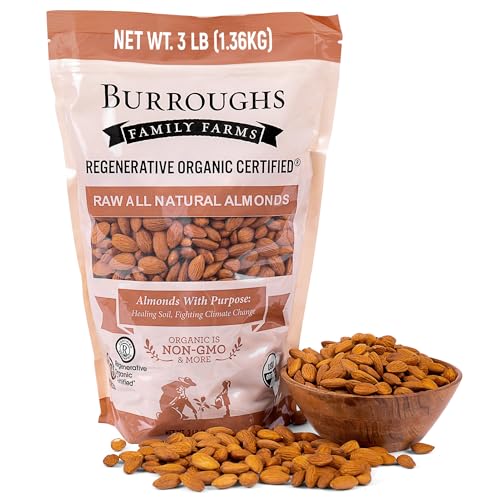
Burroughs Family Farms Raw Almonds, 3 lb, regenerative organic
Burroughs Family Farms
Mid-Range
Dry Roasted Unsalted Slivered Almonds (2 Lbs.)
Farm Fresh Nuts
Budget
Happy Belly Whole Raw Almonds, 48 oz (2-pack)
Happy Belly
Budget
Blanched Whole Almonds, 4 lb - raw, skinless, unsalted
Food to Live
Mid-Range
Terrasoul Raw Organic Almonds (Mylk Grade), 4 lb
Terrasoul Superfoods
Mid-Range
Raw organic almonds (sproutable), 4 lb, 2 x 2 lb packs
Terrasoul Superfoods
Mid-Range
Burroughs Family Farms Roasted Salted Almonds (Regenerative Organic) 3 lb
Burroughs Family Farms
Mid-Range
Lark Ellen Farm Organic Sprouted Almonds, Unsalted (3-Pack) 10 oz
Lark Ellen Farm
Budget
Smokey Jalapeno Almonds 16oz 4-Pack
Sohnrey Family Foods
Mid-Range
Jake's Nut Roasters Almonds Variety Pack
Jake's Nut Roasters
Mid-Range
Premium raw unsalted sliced almonds 64oz
I'm A Nut
Budget
White Jordan Almonds by Its Delish, bulk 5 lb
Its Delish
Mid-Range
Wilderness Poets Organic Blanched Almonds – Whole California Grown
Wilderness Poets
Budget
Terrasoul Organic Raw Almonds, 6 lbs (3 x 2 lb bags)
Terrasoul Superfoods
PremiumRoundups
Frequently Asked Questions
How do I choose between raw, roasted, and flavored almonds?
Choose raw almonds for plain, minimally processed nuts and maximum culinary flexibility; roasted almonds offer a crunchier texture and deeper flavor from dry- or oil-roasting; flavored almonds add seasonings or coatings but can increase sodium, sugar, or added oils, so check ingredient lists and nutrition facts to match your dietary goals
What should I look for on the label to assess healthiness?
Check serving size, calories, total fat (mostly monounsaturated and polyunsaturated fats are beneficial), added sugars, and sodium; prioritize products with few ingredients (ideally just almonds) and look for non-hydrogenated oils or low added salt if you want a healthier option
Are there differences in nutritional value between organic and conventional almonds?
Nutritionally they are similar in calories, fats, protein, and fiber; organic certification indicates farming practices without synthetic pesticides or fertilizers, which some buyers prefer for environmental or residue concerns but does not inherently change macronutrient content
How much should I expect to pay and how does price relate to quality?
Prices vary by format, brand, and packaging size; budget options commonly fall under $50 for larger bulk packs while premium or specialty varieties cost more; higher price may reflect organic certification, specialty roasting or flavoring, smaller-batch processing, or branded packaging rather than consistent nutritional differences
What storage and shelf-life tips will keep almonds fresh?
Store almonds in an airtight container in a cool, dark place; refrigerating or freezing extends shelf life and prevents rancidity—shelf-stable packs typically last several months unopened, while opened containers keep best for a few months in the pantry or up to a year frozen
How do I choose the right package size for my needs?
Pick smaller packages if you eat almonds infrequently or prefer maximum freshness; choose larger bulk or resealable packs if you consume them regularly, bake with them, or want lower per-ounce cost—consider storage space and how quickly you'll use them to avoid staleness
Are there common allergens or dietary considerations related to almonds?
Almonds are tree nuts and a common allergen; check packaging for cross-contamination warnings if you have other allergies; almonds are naturally gluten-free and suitable for vegetarian and vegan diets, but flavored products may include dairy, soy, or gluten-containing ingredients