Amino Acid Nutritional Supplements
Amino acid nutritional supplements include single amino acids, branched-chain amino acids (BCAAs), and blends for muscle support, recovery, and metabolic health. This category lists 19 products averaging 4.49 stars, with mid-range pricing (about $33–$133) and brands like Pure Encapsulations represented
Top Products

L-Theanine 200mg with Organic Coconut Oil by Sports Research
Sports Research
Mid-Range
NOW Taurine Pure Powder for nervous system health
NOW Foods
Budget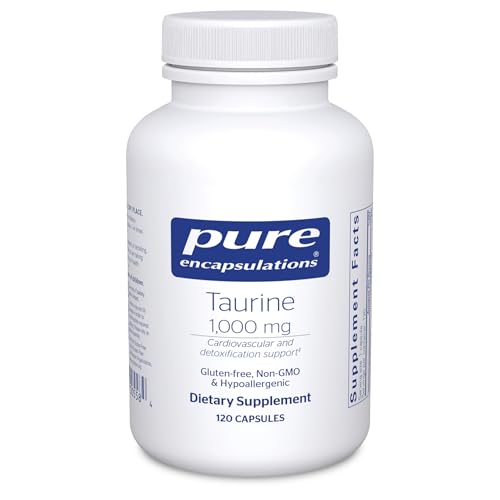
Taurine 1,000 mg - supports heart health & detox
Pure Encapsulations
Budget
Nutricost Beta-Alanine Capsules 3400mg, 480 Caps (2 Pack)
Nutricost
Budget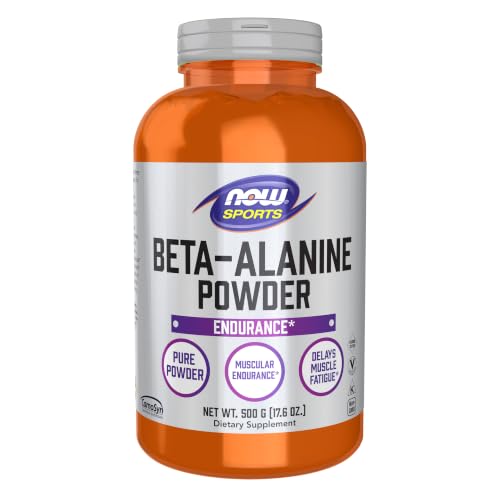
NOW beta-alanine powder 2000 mg, muscular endurance
NOW Foods
Mid-Range
NeuroScience GABA Trex L-Theanine Chewables
NeuroScience
Budget
Lewis Labs Brewer's Yeast Flakes
Lewis Labs
Mid-Range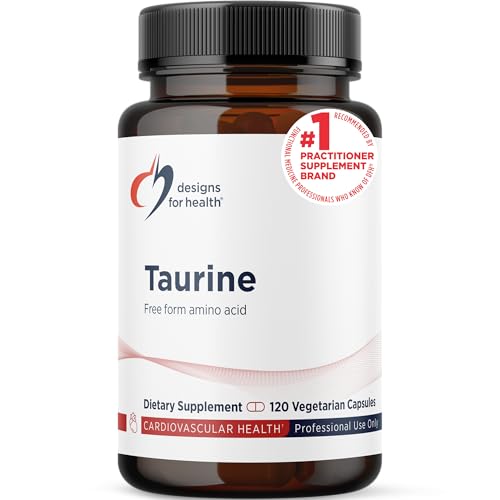
Taurine Capsules 1000mg - Designs for Health (120)
Designs for Health
Budget
Instant Aminos - EAA+BCAA mix (30 servings) - rapid absorption
Triquetra Health
Budget
Theanine 200mg by Thorne — supports relaxation, stress response, focus
THORNE
Mid-Range
NAC 900mg supplement for detox and workout recovery
Designs for Health
Mid-Range
Instant Aminos - EAA+BCAA 10 Essential Amino Acids
Triquetra Health
Budget
NeuroScience Adrenal Support Supplements for Calm Sleep
NeuroScience
Premium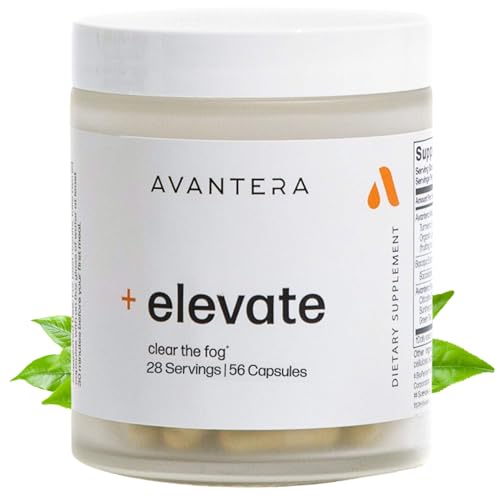
Avantera Elevate Nootropic Supplement for Focus & Memory
Avantera
Premium
Glycine Powder - 3g serving, unflavored, gluten-free (1kg x5) by BulkSupplements
BulkSupplements
Premium
Serovital Renewal Complex - Anti Aging Supplements
Serovital
Premium
XYMOGEN L-Theanine 400mg per serving
XYMOGEN
Premium
L-Tryptophan supplement for sleep and relaxation
Pure Encapsulations
Premium
Serovital ADVANCED for Women - Anti-Aging Supplement
Serovital
PremiumRoundups
Frequently Asked Questions
How do I choose the right amino acid supplement for my goals (muscle, recovery, cognitive, or general health)?
Select supplements based on the amino acid profile: branched-chain amino acids (BCAAs) or leucine-rich formulas for muscle growth and exercise recovery; tryptophan, tyrosine, or acetyl-L-carnitine for cognitive or mood support; and balanced essential amino acid blends for general nutritional support. Match dosage, serving frequency, and delivery form (powder vs. capsule) to your routine and consult a healthcare provider for personalized recommendations
What safety and quality factors should I check before buying an amino acid supplement?
Look for products manufactured in GMP-certified facilities, third-party testing or certificates of analysis, clear ingredient lists with amino acid amounts per serving, and information on allergens and contraindications. Avoid supplements with unclear dosing, proprietary blends that hide amounts, or added stimulants if you are sensitive
How do price and brand affect value when shopping for amino acid supplements?
Price varies with purity, dosage strength, and brand reputation; budget options can cost under $50 while higher-cost formulas often reflect higher concentrations, clinical formulations, or third-party testing. Compare cost per typical daily dose and prioritize transparent labeling and independent testing over brand alone
Can amino acid supplements interact with medications or medical conditions?
Yes—certain amino acids can interact with medications (for example, tryptophan and serotonergic drugs, or arginine and blood-pressure medications) and may be contraindicated in conditions like kidney disease. Discuss new supplements with your healthcare provider, especially if you take prescription drugs or have chronic illnesses
What dosing and timing guidelines should I follow for effectiveness?
Follow the manufacturer’s recommended serving and consider timing based on goals: take BCAAs or essential amino acids around workouts for muscle support, and take cognitive-targeted amino acids with or without food per product instructions. Do not exceed labeled daily doses unless advised by a healthcare professional
Are there differences between amino acid sources (synthetic vs. whole-protein hydrolysates)?
Synthetic free-form amino acids supply specific amino acids in concentrated and fast-absorbing forms, whereas protein hydrolysates provide peptides and a broader amino acid mix with potentially slower absorption. Choose free-form if you need targeted dosing and hydrolysates if you prefer near-food protein-derived profiles
How should I store amino acid supplements to maintain potency?
Store in a cool, dry place away from direct sunlight and moisture, keep containers tightly sealed, and follow any temperature or shelf-life instructions on the label. Use powders within recommended periods after opening to avoid clumping or degradation