Ankle Braces
Ankle braces in Health & Wellness include support sleeves, rigid stabilizers, and compression wraps for injury prevention, post‑injury rehab, and sports use. The category spans budget to premium options (about 131 products, average rating 4.31) and features brands like Zamst and Bauerfeind among others
Top Products

Med Spec ASO Ankle Stabilizer Black X-Large
Med Spec
Budget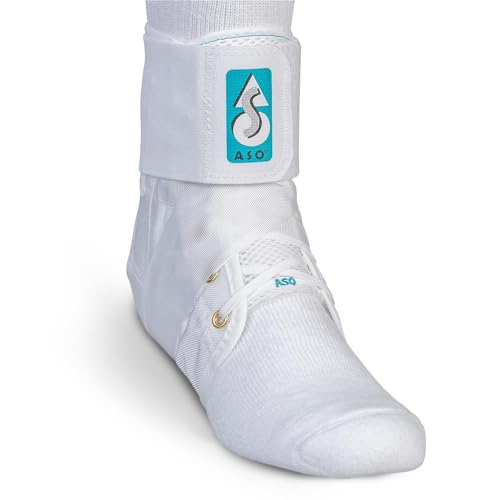
Med Spec ASO Ankle Stabilizer White XS
Med Spec
Mid-Range
Sleeve Stars Ankle Brace with Removable Strap (Pair, 10-12 in, Black)
SS SLEEVE STARS
Budget
Sleeve Stars Ankle Brace with Removable Strap
SS SLEEVE STARS
Budget
Sleeve Stars Ankle Brace with removable strap
SS SLEEVE STARS
Budget
Sleeve Stars Ankle Brace with Removable Strap
SS SLEEVE STARS
Budget
Sleeve Stars Ankle Brace with Removable Strap, Gray (Pair, M 10-12 inches)
SS SLEEVE STARS
Budget
Med Spec ASO Ankle Stabilizer (XX-Small, Black)
Med Spec
Budget
Med Spec ASO Ankle Stabilizer, White, Large
Med Spec
Budget
Sleeve Stars Ankle Brace with Adjustable Strap
SS SLEEVE STARS
Budget
Med Spec ASO Ankle Stabilizer (3X-Large, Black)
Med Spec
Mid-Range
Sleeve Stars Ankle Brace with Removable Strap (Pair, M 10-12", Dark Brown)
SS SLEEVE STARS
Budget
Sleeve Stars Ankle Brace with Removable Strap
SS SLEEVE STARS
Budget
Sleeve Stars Ankle Brace with removable strap
SS SLEEVE STARS
Budget
Sleeve Stars Ankle Brace with Removable Strap (Pair, M 10-12")
SS SLEEVE STARS
Budget
Sleeve Stars Ankle Brace with Removable Strap (Pair) – Adjustable Compression
SS SLEEVE STARS
Budget
Sleeve Stars Ankle Brace with removable strap, pair
SS SLEEVE STARS
Budget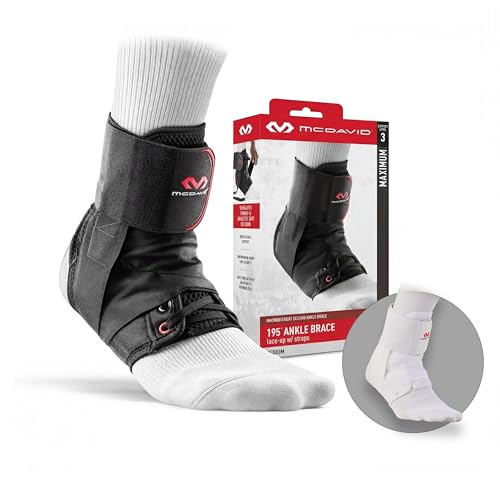
McDavid Ultralight Ankle Brace, Figure-8 Lace-Up Support
McDavid
Mid-Range
Med Spec ASO Ankle Stabilizer (Small, White) – Ankle Brace
Med Spec
Mid-Range
Med Spec ASO Ankle Stabilizer XX-Large White
Med Spec
Mid-Range
McDavid Ultralight Ankle Brace with lace-up support
McDavid
Mid-Range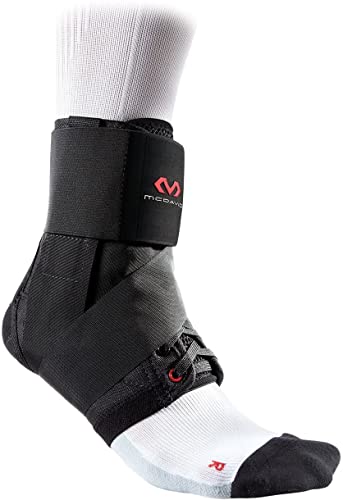
McDavid Ultralight Ankle Brace with lace-up support
McDavid
Mid-Range
McDavid Ultralight Ankle Brace with Lace-Up Support
McDavid
Mid-Range
McDavid Ultralight Ankle Brace with lace-up support
McDavid
Mid-RangeRoundups
- Best Ankle Braces for Active Sports (2026)
- Best Ankle Braces for Daily Activities (2026)
- Best Ankle Braces for Sprained Ankle Recovery (2026)
- Best Ankle Braces for Plantar Fasciitis Relief (2026)
- Best Ankle Braces Under $200 (2026)
- Best Ankle Braces Under $100 (2026)
- Best Ankle Braces Under $50 (2026)
- Best Ankle Braces (2026 Guide)
Frequently Asked Questions
How do I choose the right type of ankle brace for my condition?
Select based on purpose: soft neoprene sleeves provide mild compression for swelling and mild support; lace-up or figure-8 braces offer moderate support for sprains and instability; rigid or hinged braces provide maximum stabilization for post‑op or chronic instability. Consult product descriptions for intended use and, if you have a medical condition or recent injury, ask a clinician for personalized guidance
What size should I buy and how do I measure my ankle correctly?
Measure around the narrowest part of your ankle (just above the ankle bone) and follow the manufacturer’s sizing chart; if between sizes, choose the larger size for comfort and the smaller size for firmer support. Also check length/boot compatibility if you plan to wear the brace with shoes or cleats
Which materials and features affect support, comfort, and breathability?
Neoprene and elastic sleeves offer compression and warmth but can trap heat; breathable knit or mesh panels improve airflow. Straps, laces, and stays (rigid inserts) increase support, while low‑profile designs fit better in shoes; consider weight and padding for comfort during activity
How much should I expect to spend for different levels of ankle braces?
Budget compression sleeves and basic supports commonly cost under $50; mid‑range lace‑up and semi‑rigid braces are often in the $50–$100 range; premium hinged or medical‑grade braces can be above $100. Prices vary by brand, materials, and features
Can I wear an ankle brace during sports, running, or daily activities?
Many ankle braces are designed for sports and daily wear—compression sleeves and low‑profile supports work well for running and general exercise, while lace‑up or rigid braces are better for contact sports or when greater stabilization is needed. Ensure the brace fits inside your footwear and does not restrict circulation or gait
How do I care for and clean an ankle brace to maintain performance?
Follow the manufacturer’s care instructions, generally hand‑wash with mild detergent and air dry to preserve elasticity and materials; avoid machine drying, bleach, and high heat. Inspect straps, seams, and stays regularly and replace the brace when it loses shape or support
When should I see a healthcare professional instead of relying on an over‑the‑counter brace?
Seek medical evaluation for severe pain, inability to bear weight, visible deformity, repeated instability, numbness, or swelling that does not improve with rest and compression; a clinician can rule out fractures, recommend imaging, or prescribe a medical‑grade brace or rehabilitation plan