Automatic Arm Blood Pressure Monitors
Automatic arm blood pressure monitors measure systolic and diastolic pressure via an upper-arm cuff and often include digital displays, memory storage, and Bluetooth connectivity for tracking. This Health & Wellness category indexes 81 products across budget through mid-range prices (average ~(price varies)) and features brands such as AQESO among top sellers
Top Products

Greater Goods blood pressure monitor with cuff and wall adapter
Greater Goods
Budget
Alcedo Automatic Arm Blood Pressure Monitor with Large Cuff
Alcedo
Mid-Range
Alcedo Automatic Blood Pressure Monitor with Large Cuff
Alcedo
Mid-Range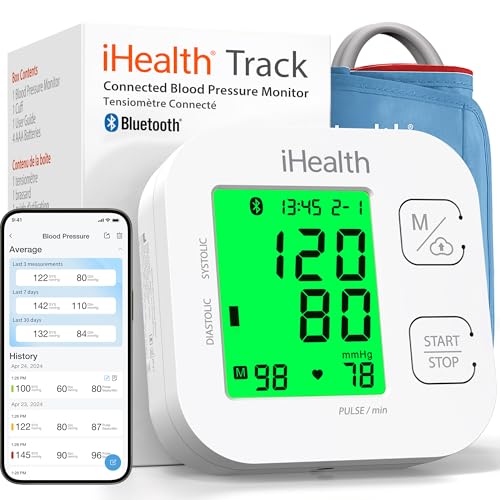
iHealth Track Smart Upper Arm BP Monitor with wide-range cuff
iHealth
Mid-Range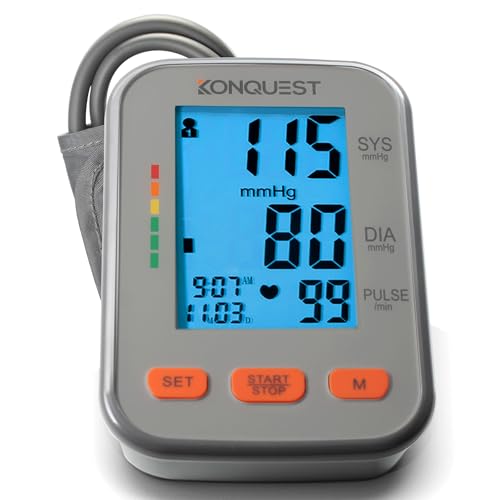
Konquest Automatic Arm Blood Pressure Monitor with large cuff
KONQUEST
Mid-Range
KONQUEST blood pressure monitor with large cuff
KONQUEST
Mid-Range
Medisana upper-arm blood pressure monitor with 2x199 memory
Medisana
Mid-Range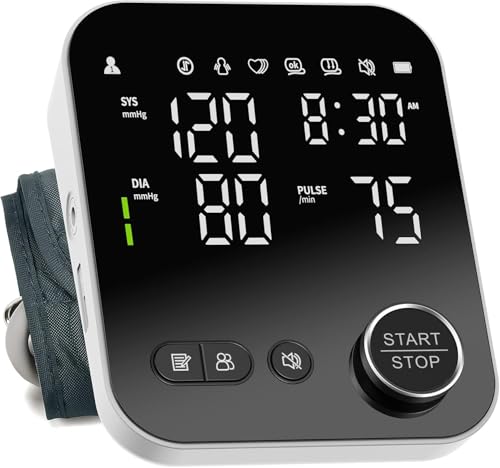
Blood pressure monitor with adjustable arm cuff
NOUYAN
Budget
Blood pressure monitor for upper arm with large backlight display
ATUDER
Mid-Range
RunStar Upper Arm Blood Pressure Monitor with Wide Range Cuff
runstar
Mid-Range
iProven Bluetooth blood pressure monitor with app integration
iProven
Budget
Blood Pressure Monitor with Adjustable Arm Cuff, 2-User Memory
VSURMOY
Budget
Automatic upper arm blood pressure monitor with large backlit display
Invaxe
Premium
Etekcity Bluetooth Blood Pressure Monitor with App
Etekcity
Mid-Range
Blood Pressure Monitor with Bluetooth App - Arm Cuff 8.7-16.5 in
Meraw
Mid-Range
Meraw Blood Pressure Monitor with Health App
Meraw
Mid-Range
Blood Pressure Monitor with 2 Cuff Sizes, Automatic Digital BP Kit
AQESO
Mid-Range
Upper arm blood pressure monitor with 2 cuffs
ALPHAGOMED
Mid-Range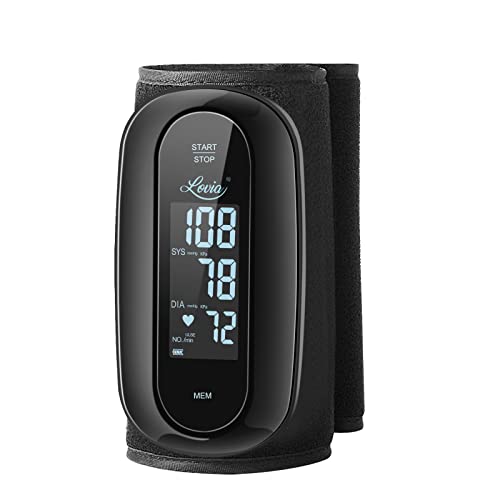
Blood Pressure Monitor with One-Piece Design, Upper Arm Cuff 9-14 in
Lovia
Mid-Range
Blood pressure monitor with two extra-large cuffs
COCACIS
Budget
A&D Medical UA-651SAC Blood Pressure Monitor
A&D Medical
Mid-Range
Blood Pressure Monitor with large display and 8.7-16.5 in cuff
GUAEVER
Mid-Range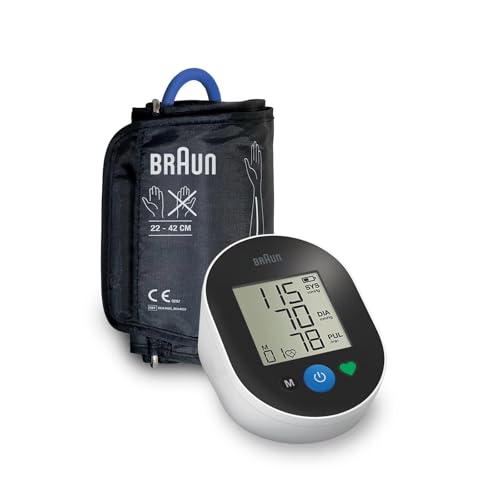
Braun ExactFit 2 Blood Pressure Monitor with Universal Cuff
Braun
Mid-Range
Accurate Digital BP Monitor with XL/M/L Cuffs and Backlit Display
SDUNW
Mid-RangeRoundups
Frequently Asked Questions
How do I choose the right automatic arm blood pressure monitor?
Pick a validated model with an appropriate cuff size for your upper arm, clear numerical display, memory for multiple readings/users, and clinically validated accuracy; consider extra features like irregular heartbeat detection or smartphone connectivity only if you need them
What cuff size do I need and why does it matter?
Measure around the midpoint of your upper arm and choose a monitor with a cuff that covers that circumference; using a cuff that’s too small or too large can produce inaccurate readings
How much should I expect to pay for a reliable automatic arm monitor?
Most reputable automatic arm blood pressure monitors fall into a mid-price range, with budget options commonly under $50 and many widely used models averaging around $50–$100, while advanced or clinic-grade units can cost more
How do I get accurate, consistent readings at home?
Sit quietly for five minutes with feet flat and back supported, place the cuff on a bare upper arm at heart level, avoid caffeine/smoking/exercise 30 minutes prior, take multiple readings one minute apart, and record the average
What maintenance and care does an arm blood pressure monitor need?
Keep the cuff clean per manufacturer instructions (wipe with a damp cloth), store the unit in a dry place away from extreme temperatures, replace batteries when low or use AC adapter if available, and recalibrate or check accuracy per the device’s guidance or after trauma
Are wrist or arm monitors better for home use?
Arm monitors are generally preferred for accuracy and consistency, especially for people with hypertension or cardiovascular risk; wrist monitors can be more sensitive to position and movement and are less recommended for routine home monitoring
How do I interpret readings and when should I contact a healthcare provider?
Record systolic over diastolic values and note symptoms; persistent readings consistently above 130/80 mmHg or sudden very high readings, or readings accompanied by chest pain, shortness of breath, fainting, or severe headache warrant contacting a healthcare provider