Bed Transfer Boards
Bed transfer boards are rigid or contoured assistive devices that help users slide between bed and wheelchair or chairs, reducing strain during transfers. This health & wellness category includes 16 indexed products averaging a 4.66 rating, with mid-range pricing (about $33–$60) and brands like ZHEEYI represented
Top Products

Multipurpose bed pad with reinforced handles
ZHEEYI
Budget
Multipurpose 48x40 Positioning Bed Pad with Reinforced Handles
ZHEEYI
Budget
Multipurpose positioning bed pad with reinforced handles
ZHEEYI
Budget
Bed positioning pad with reinforced handles
ZHEEYI
Budget
Improvia Bed Pad with 8 Handles, quick-drying, waterproof, washable (34" x 52")
Improvia
Mid-Range
Multipurpose positioning bed pad with reinforced handles
ZHEEYI
Budget
Multipurpose positioning bed pad with reinforced handles
ZHEEYI
Budget
Positioning Bed Pad with 8 Handles, 48" x 40" 500 LBS
Joiish
Mid-Range
DMI Transfer Board and Slide Board for patient transfer
MABIS
Mid-Range
3-layer comfort bed pad with handles, lake blue
NurtureCare
Budget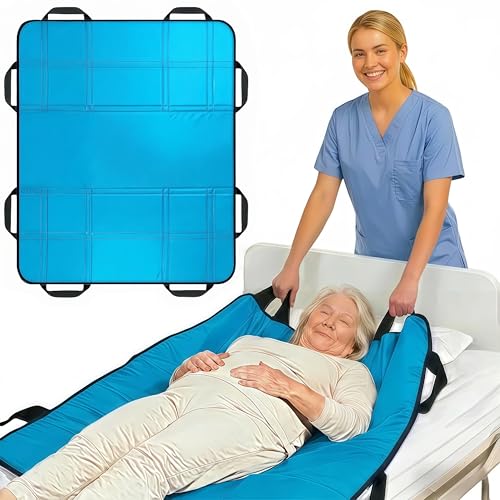
Upgraded 3-Layer Bed Positioning Pad with Handles 48x40
NurtureCare
Mid-Range
Upgraded 3-layer Bed Pad with Handles (48 x 40) Ocean Teal
NurtureCare
Mid-Range
3-layer comfort positioning bed pad with handles
NurtureCare
Mid-Range
Upgraded 3-Layer Comfort Bed Positioning Pad 48x40 with Handles
NurtureCare
Mid-Range
Improvia Transfer Board Bed Pad with Handles 8-Handle 34x52 in
Improvia
Mid-Range
Transfer Board with Slide Sheet (28"x28"), 2-in-1 Transfer Aid
suboton
Mid-RangeRoundups
Frequently Asked Questions
What is a bed transfer board and who should use one?
A bed transfer board is a flat, low-friction surface that bridges the gap between a bed and a wheelchair or chair to help users slide across with reduced effort. It is typically used by people with limited lower-body strength or mobility, caregivers assisting transfers, and anyone needing safer, more stable transfers in home or clinical settings
How do I choose the right transfer board size and material?
Choose a board length that spans the distance between surfaces with at least a few inches of overlap on each side; common lengths range from about 18 to 36 inches. Materials include molded plastic for lightweight durability and wooden or composite boards for sturdiness; consider the user’s weight capacity, whether padded edges are needed, and whether a low-friction surface or removable handles are preferred
What weight capacity and safety features should I look for?
Select a board rated above the user's body weight with a safety margin; ratings commonly range from 200 to 400+ pounds depending on model. Look for features like textured or non-slip edges, cutout handholds for control, tapered ends for easier placement, and clear weight-capacity labeling to ensure safe use
Are there different types of transfer boards and how do they affect use?
Yes; common types include flat/sliding boards, contoured boards with handholds, and swivel or board-plus-slide combinations. Flat boards are simple and portable, contoured boards offer more grip and positioning, and swivel-compatible designs aid in pivot transfers; choose based on the complexity of transfers and user dexterity
How should I maintain and clean a transfer board?
Wipe boards regularly with mild soap and water or an appropriate disinfectant compatible with the board’s material, dry thoroughly, and inspect for cracks, delamination, or worn edges before each use. Avoid abrasive cleaners that damage low-friction surfaces and follow manufacturer instructions for any padded or removable components
Can a caregiver safely assist with transfers using a board, or is a lift required?
Many caregiver-assisted transfers can be performed safely with a board when the caregiver and user have proper training in body mechanics and the user can assist partially; however, mechanical lifts are recommended when users cannot bear weight, are uncooperative, or when caregiver strength limits safe handling. Assess risk, training, and physical ability before choosing methods
What should I expect to pay and where do price differences come from?
Transfer boards commonly fall in a budget to midrange category, with many options under $100 and average prices near the tens of dollars; price differences stem from materials, length, weight capacity, brand features like padding or handles, and included accessories or warranties