Bedwetting Monitors
This category covers bedwetting monitors and alarm systems for children and adults, including wearable sensors, pad sensors, and audio/phone alert devices. Ten products are indexed with an average rating of 4.6 and prices ranging from $38 to $299; top brands include ovevve and TENQIU
Top Products
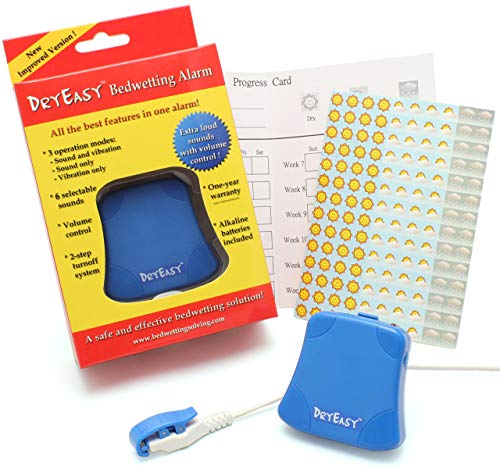
DRYEASY Bedwetting Alarm with Volume Control
DRYEASY
Mid-Range
Wireless Bedwetting Alarm for Kids, 7 Melodies, 3 Modes
ovevve
Mid-Range
Wireless Bedwetting Alarm for Kids, 7 Melodies, Pink
ovevve
Mid-Range
Wireless bedwetting alarm for kids, 7 melodies, 3 modes
ovevve
Mid-Range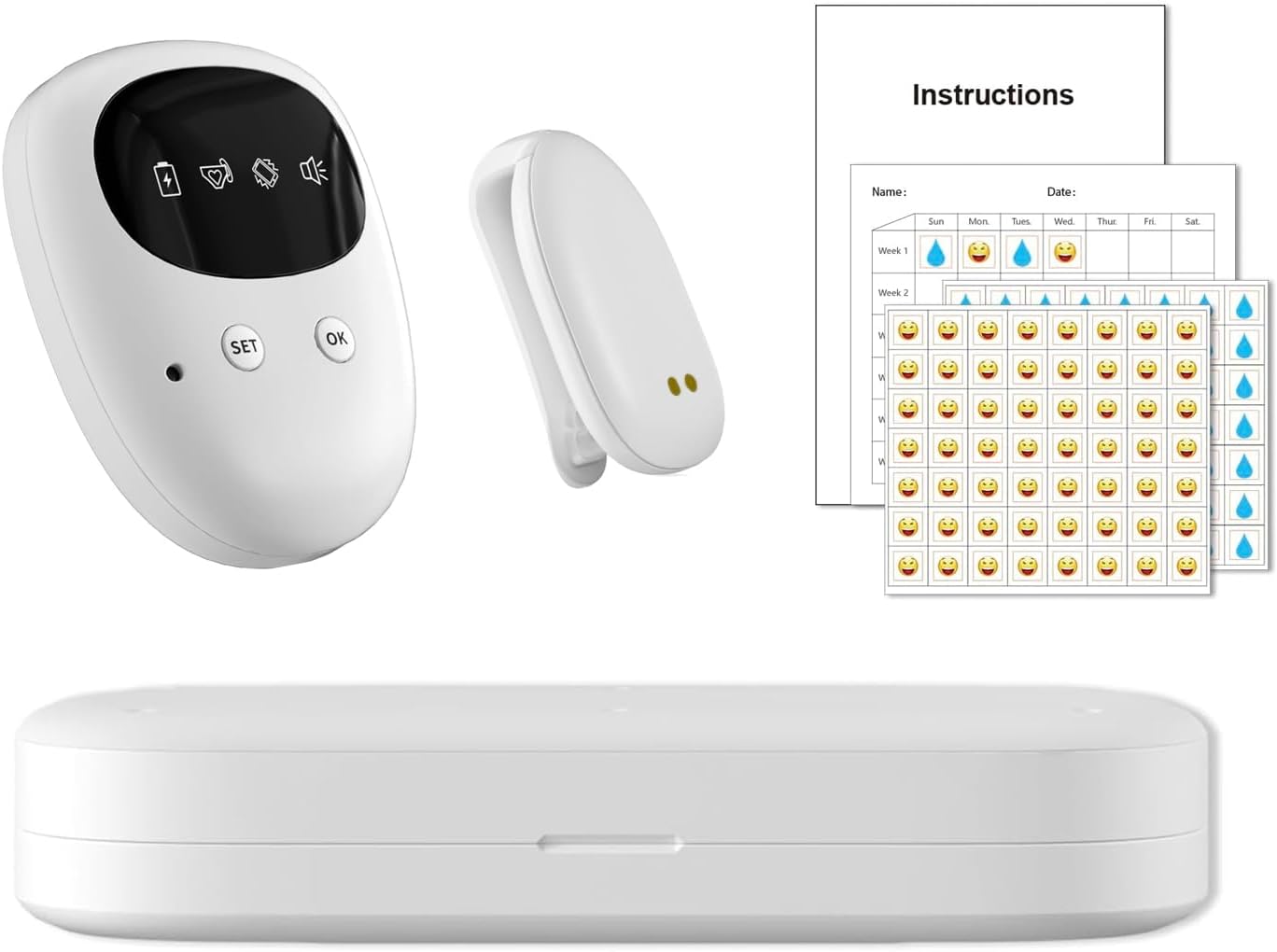
Wireless bedwetting alarm for kids (USB rechargeable, 3 modes) white
TENQIU
Mid-Range
Wireless bedwetting alarm for kids, USB rechargeable
TENQIU
Mid-Range
Bedwetting Alarm for Kids and Adults
ReYang
Mid-Range
Wireless Bedwetting Alarm for Kids (USB-C)
Zexyvor
Mid-Range
Wireless bedwetting alarm for kids (usb rechargeable)
TENQIU
Mid-Range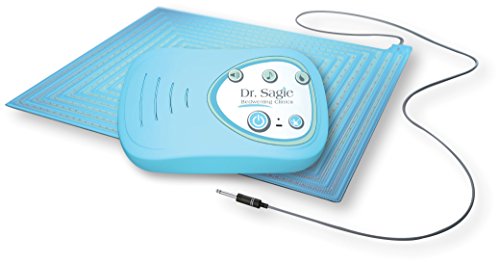
Bedwetting alarm system with no-wear sensor
TheraPee
PremiumRoundups
Frequently Asked Questions
How do I choose the right type of bedwetting monitor?
Choose based on age and sleep habits: wearable alarms (clip-on or pant-attached) suit older children who can manage a device, while mat sensors under the sheet are less intrusive for younger kids or those who move a lot; also compare alarm volume, sensor sensitivity, and whether the system uses wired or wireless sensors
What features matter most for effectiveness?
Key features are reliable moisture detection (fast response, low false alarms), adjustable alarm tones and volume, battery life or rechargeable options, and ease of sensor placement and cleaning; additional features like vibration modes or smartphone app tracking can help but are not essential
How much should I expect to pay for a bedwetting monitor?
Prices commonly range from budget models under $50 to more feature-rich units around $100–$150; many typical monitors fall near the low- to mid-price range, with rechargeable and multi-sensor systems usually costing more
How do I maintain and clean a bedwetting monitor?
Follow manufacturer instructions but generally wipe electronic units with a dry or slightly damp cloth, detach and hand-wash removable fabric parts with mild soap, avoid submerging electronics, and replace batteries or recharge as recommended to maintain reliable performance
Can one monitor work for multiple children or different beds?
Some systems have interchangeable sensors or extra sensor packs that allow use across multiple beds, but confirm sensor compatibility, cable length or wireless range, and whether you need to buy additional sensors for simultaneous use
How do I reduce false alarms and ensure reliable detection?
Place sensors according to instructions (directly where moisture first appears), check sensor contact and batteries regularly, adjust sensitivity settings if available, and inspect sensor pads for wear or residue that can affect responsiveness