Black Tea
This category covers loose-leaf and bagged black teas and blends marketed for health and wellness benefits, including detox, energy, and antioxidant-focused formulas. It aggregates 208 products with an average rating of 4.53 and mid-range pricing (about $32–$99), featuring brands like Twinings and The Republic of Tea
Top Products

Constant Comment Caffeinated Black Tea - Bigelow, 40 Bags (6 Pack)
Bigelow Tea
Mid-Range
Twinings Decaf English Breakfast Tea K-Cup Pods (56 ct)
Twinings
Budget
Twinings English Breakfast Tea Bags (50 count x 6)
Twinings
Mid-Range
Twinings Earl Grey Black Tea Bags - 6x50 count
Twinings
Budget
Bigelow Earl Grey Black Tea
Bigelow Tea
Mid-Range
Twinings Decaf English Breakfast Tea Bags (50x6)
Twinings
Mid-Range
Luzianne Unsweetened Iced Tea Bags — 100ct (4-pack)
Luzianne
Budget
Twinings English Breakfast Keurig K-Cup Pods (72 count) 6-pack
Twinings
Mid-Range
Twinings Decaf Earl Grey K-Cup Pods for Keurig, 48 ct
Twinings
Mid-Range
Twinings Green Tea K-Cup Pods (72 total) for Keurig
Twinings
Mid-Range
Stash Earl Grey Black Tea, 6 boxes (180 bags) - bergamot blend
Stash
Budget
Harney & Sons Hot Cinnamon Spice Tea
Harney & Sons
Budget
Twinings Chai Black Tea K-Cup Pods 72-count (6-pack)
Twinings
Mid-Range
Twinings Earl Grey Black Tea K-Cup Pods (56 ct)
Twinings
Mid-Range
Twinings Decaf English Breakfast Tea K-Cups (72) for Keurig
Twinings
Mid-Range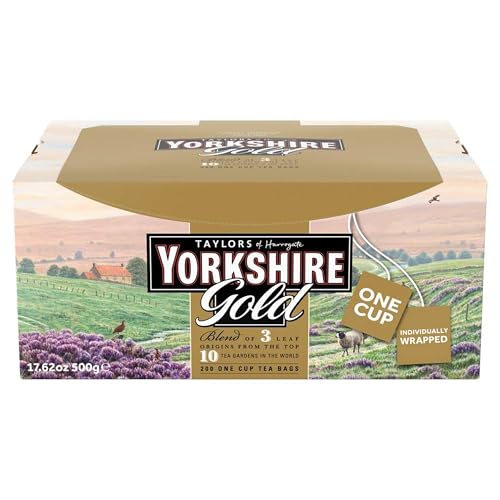
Taylors of Harrogate Yorkshire Gold tea bags (200 count)
Yorkshire Tea
Mid-Range
Twinings Sleep Herbal Tea K-Cups (72 Pods, 6 pk) Camomile, Spearmint & Lemongrass
Twinings
Mid-Range
Twinings Pure Camomile Herbal Tea K-Cups (72 pods) for Keurig
Twinings
Mid-Range
New England Breakfast Tea
Harney & Sons
Mid-Range
Organic Assam Black Tea Bags - Caffeinated, with milk & sweetener
ORGANIC INDIA
Budget
Lipton Black Tea Bags with Caffeine, 600 total (6 x 100 ct)
Lipton
Mid-Range
Twinings Darjeeling Black Tea - 50 Count (Pack of 6)
Twinings
Mid-Range
Celestial Seasonings India Spice Chai Black Tea Keurig K-Cup Pods
Celestial Seasonings
Mid-Range
Brodies Scottish Afternoon Tea - Black Tea, 50 bags (pack of 3)
Brodies Estd 1867
BudgetRoundups
Frequently Asked Questions
How do I choose the right black tea for health and wellness?
Consider your health goals: for antioxidant support choose whole-leaf and minimally processed varieties, for digestive comfort opt for blends with ginger or fennel, and for lower caffeine select Assam/robust blends brewed shorter or look for labeled low-caffeine or decaffeinated options
What should I expect in terms of caffeine and how can I reduce it?
Black tea typically contains moderate caffeine compared with other teas; to reduce caffeine, use shorter steep times (30–60 seconds), lower water temperature, a smaller leaf-to-water ratio, or choose decaffeinated black tea
Are there proven health benefits associated with drinking black tea?
Research links black tea to potential benefits such as antioxidant intake, modest improvements in cardiovascular risk markers, and improved alertness from caffeine, but effects vary by individual and depend on overall diet and consumption levels
How should I store black tea to preserve flavor and beneficial compounds?
Store black tea in an airtight, opaque container away from heat, light, moisture and strong odors; use within 6–12 months for best freshness, though whole-leaf teas can retain quality longer than broken-leaf forms
What types of black tea formats and packaging should I consider?
Choose from loose-leaf, pyramid sachets, or standard tea bags; loose-leaf often delivers stronger flavor and more whole leaves, while sachets and bags are more convenient and consistent for single-cup brewing
How do brewing variables affect the flavor and health properties of black tea?
Steeping time, water temperature, and leaf amount change both taste and extract of polyphenols and caffeine—generally use near-boiling water (around 95–100°C/203–212°F) and 3–5 minutes for full flavor, adjusting shorter or cooler for milder taste or lower caffeine
Is organic certification or source origin important for health-focused buyers?
Organic certification reduces exposure to synthetic pesticides, and origin labels (e.g., Assam, Darjeeling, Ceylon) indicate flavor profile and growing conditions that may matter to quality-focused shoppers, though neither guarantee specific health outcomes