Bladder Control Devices
This category covers bladder control devices such as pelvic floor trainers, pessaries, electrical stimulators, and incontinence clamps for managing urinary leakage and strengthening pelvic muscles. About 30 products are indexed with an average rating of 4.40 and prices ranging from $33 to $700, including brands like Perifit and Intimate Rose
Top Products

Pelvic floor exercise device for women - 6 weights
Bodyotics
Mid-Range
VWELL Silicone Wands Set - 5 Kit Medical Silicone
IntiMD
Mid-Range
Kegel Exercise System with 6 Weight Sets
fenhua
Mid-Range
Kegel balls set for pelvic floor training (3 weights)
Ama Choice
Mid-Range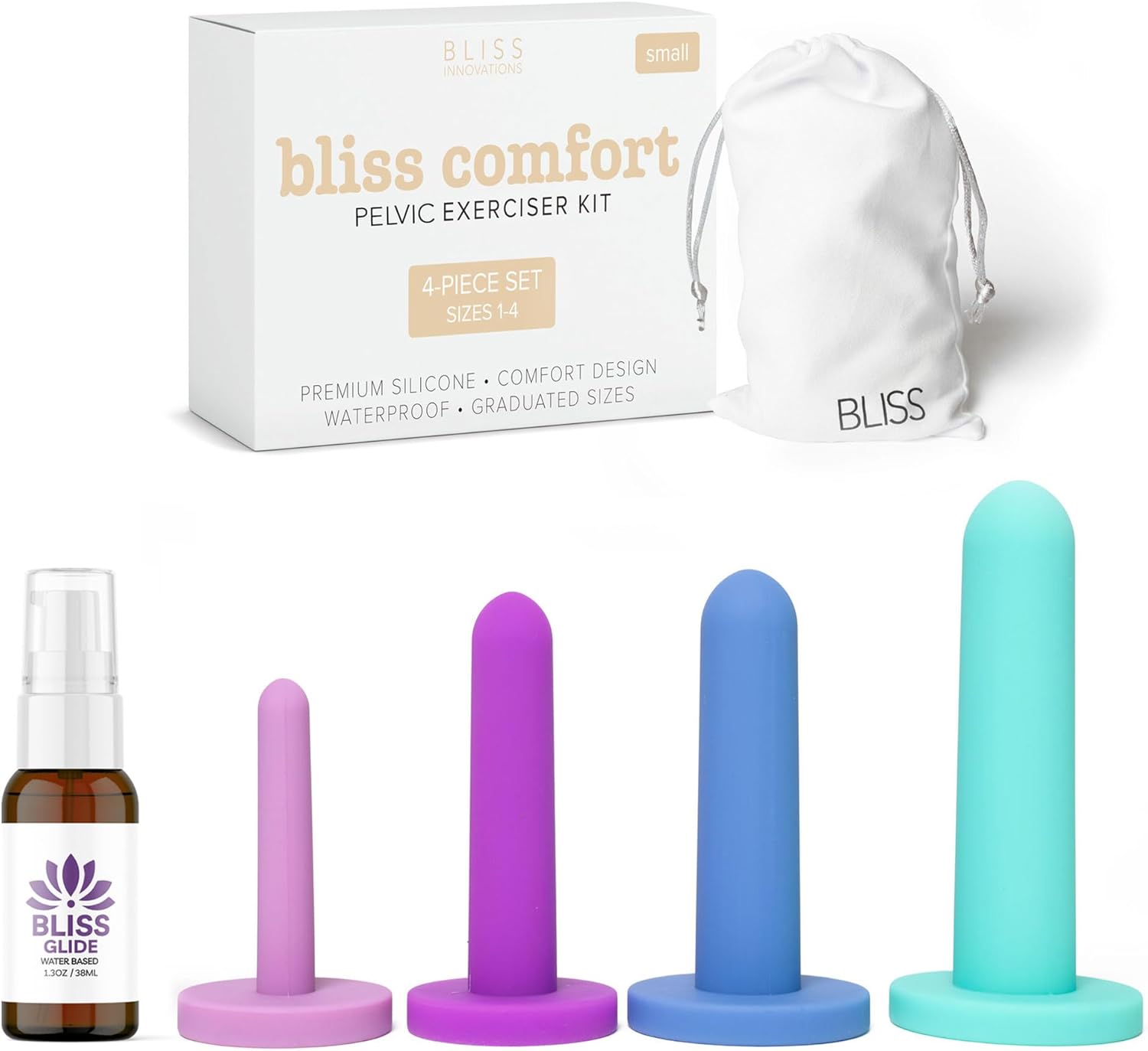
Bliss Comfort Silicone Pelvic Floor Trainer Kit (Sizes 1-4) – Soft medical-grade silicone
Loving Sex
Budget
iStim PR-02 Kegel Probe for pelvic floor stim
iSTIM
Budget
iStim PR-13 Probe for Kegel Exercise and pelvic floor stimulation
Everyway4all
Budget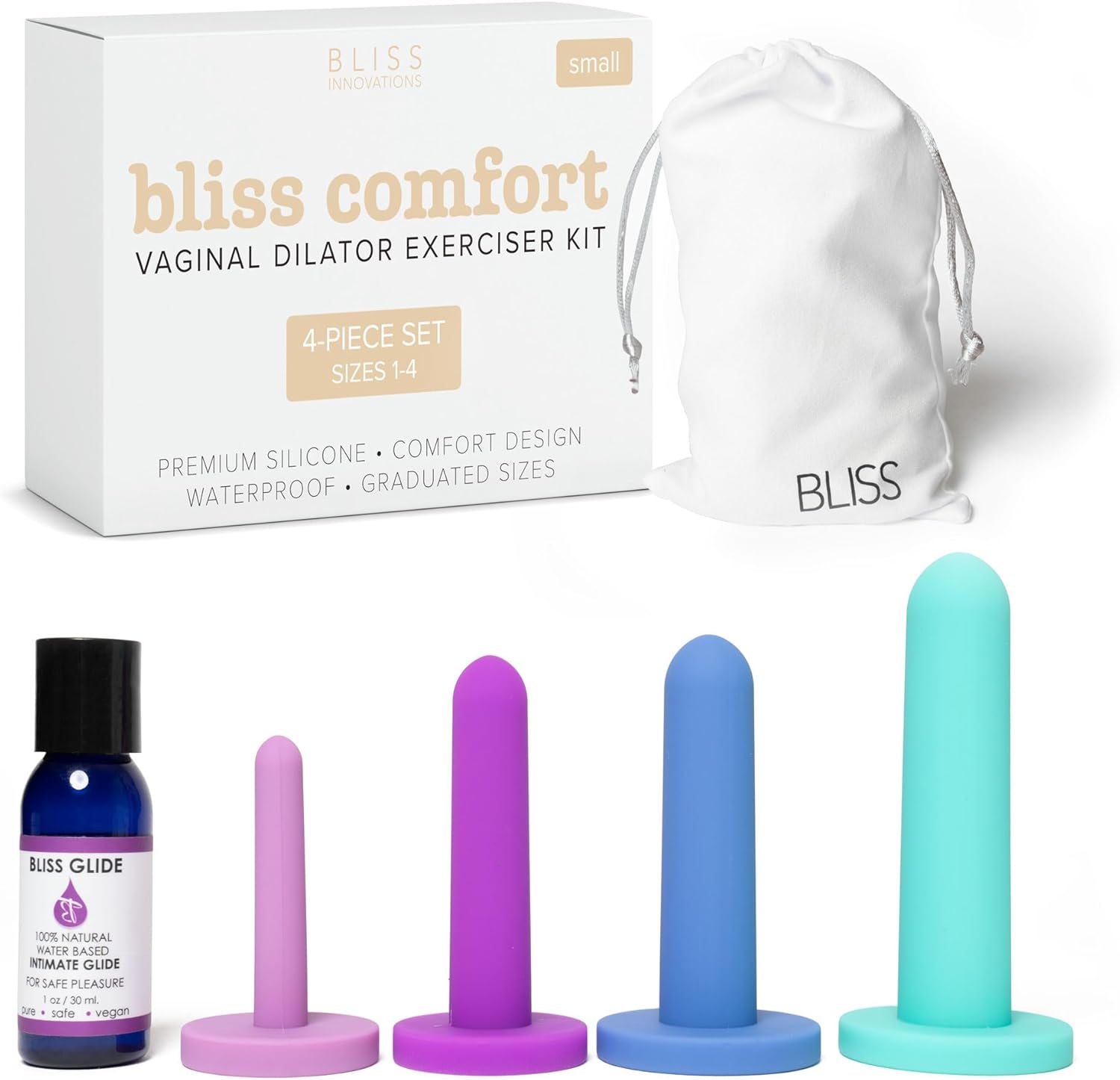
Bliss Comfort 4-Dilator Kit - Premium Silicone (4-Pack)
BLISS Innovations
Budget
ContourPlus Bladder Pads for men & women, long absorbent
Medline
Mid-Range
Intimate Rose Pelvic Wand - Non-Vibration Pelvic Floor Massager
Intimate Rose
Mid-Range
Luna Silicone Pelvic Floor Dilators — 6 sizes
LUNA
Mid-Range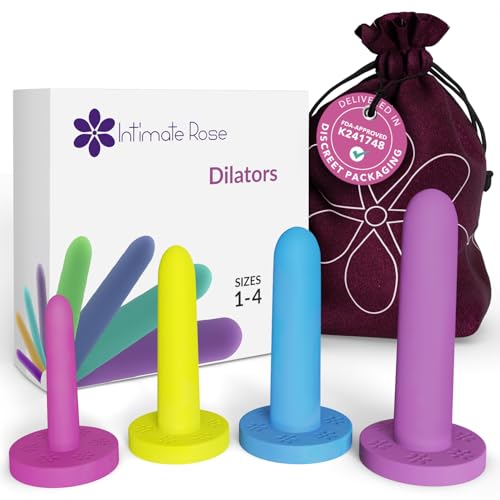
Small vaginal dilators for pelvic floor therapy
Intimate Rose
Premium
Intimate Rose Vibrating Pelvic Wand
Intimate Rose
Mid-Range
Bliss Comfort 4-Dilator Kit – medical-grade silicone (4-pack)
BLISS Innovations
Mid-Range
External Condom Catheter Set for Incontinence (24pcs 25mm) with Leg & Urine Bags
DOKIBI
Budget
Kegel Trainer with App – Pelvic Floor Exerciser (Light Green)
fenhua
Mid-Range
Lifevv 600 ml Urine Drainage Bag with 24in silicone tube
lifevv
Mid-Range
Vaginal dilator set with 4 sizes and 10 vibrations
Clio Designs Incorporated
Mid-Range
Vaginal dilators for pelvic floor therapy – silicone set
Intimate Rose
Premium
Incontinence Treatment Device (kegel exerciser) for pelvic floor
Yteio
Premium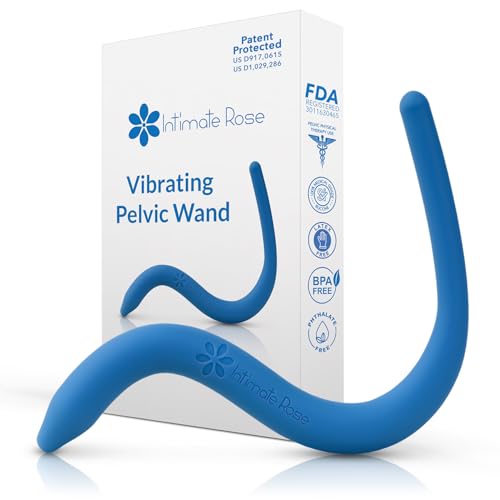
Intimate Rose vibrating pelvic wand for pelvic pain relief
Intimate Rose
Mid-Range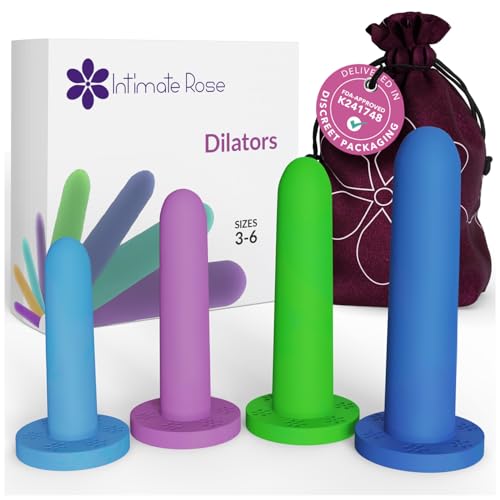
Medium vaginal dilators for pelvic floor therapy
Intimate Rose
Premium
Perifit Pelvic Floor Exerciser with App
Perifit
Premium
Perifit Care + pelvic floor exerciser with app
Perifit
PremiumRoundups
- Best Bladder Control Devices for Incontinence Management (2026)
- Best Bladder Control Devices for Pelvic Floor Strengthening (2026)
- Best Bladder Control Devices Under $200 (2026)
- Best Bladder Control Devices Under $100 (2026)
- Best Bladder Control Devices Under $50 (2026)
- Best Bladder Control Devices (2026 Guide)
Frequently Asked Questions
What types of bladder control devices are available and how do they differ?
Common types include absorbent products (pads and underwear) for everyday leakage, external catheters and collection devices for men, pessaries and vaginal inserts for pelvic support, and electronic pelvic floor trainers that use biofeedback to strengthen muscles; they differ by invasiveness, intended use (absorb vs. correct muscle function), and whether they are disposable or reusable
How do I choose the right device for my level and type of urinary incontinence?
Match the device to your symptoms: light stress leaks often respond to absorbent liners or pelvic floor exercises, moderate leakage may need protective underwear or a pessary, and urge or mixed incontinence may benefit from behavioral therapies and pelvic floor trainers; consult a clinician for persistent or severe symptoms and before using internal devices if you have pelvic organ prolapse or infections
What should I expect to pay and are there budget-friendly options?
Prices vary by category: single-use absorbents and basic external devices can be found for under $50, reusable trainers and supportive pessaries commonly range higher, and many products fall around an average price in the tens to low hundreds of dollars; consider recurring costs (disposables) versus one-time purchases (reusable devices)
What features matter most when comparing products?
Key features include absorbency level and fit for disposable products, size and material for internal devices, pressure/sensor accuracy and app compatibility for electronic trainers, ease of cleaning, and whether the product is FDA-cleared or backed by clinical evidence for the intended use
How do I clean and care for reusable bladder control devices?
Follow the manufacturer's instructions, but generally rinse internal or reusable devices after each use with mild soap and water, dry thoroughly, replace silicone or rubber items periodically, and store in a clean, dry place to prevent odor and bacterial growth
Are pelvic floor trainers safe to use and how long before I see results?
Most trainers designed for home use are safe for people without contraindications; typical programs recommend daily exercises for 6–12 weeks to notice improvement, but consult a healthcare provider before use if pregnant, postpartum, or having pelvic pain, recent surgery, or implanted devices
When should I see a healthcare professional instead of self-managing?
Seek medical advice if you have sudden or severe incontinence, blood in urine, fever, difficulty urinating, new pelvic pain, worsening symptoms despite self-care, or if you are considering an internal device and have a history of pelvic organ prolapse, recurrent infections, or recent pelvic surgery