Blood Glucose Monitors
Blood glucose monitors and related testing supplies for home and clinical use, including meter kits, test strips, and lancing devices. This category indexes 22 products with an average rating of 4.45 and mid-range pricing (about $33–$110, avg $47). Brands include Advocate Pettest among others
Top Products

CareSens N Blood Glucose Monitor Kit with 100 Strips & Lancets
CareSens
Budget
TRUE METRIX Blood Glucose Starter Kit
TRUE METRIX
Budget
G-425 glucose monitor kit with lancing device & 100 test strips
Glucoracy
Mid-Range
Metene TD-4116 Blood Glucose Monitor Kit
Metene
Mid-Range
Abbott Freestyle Lite Blood Glucose Meter with Case
HKMATE
Mid-Range
McKesson Quintet AC Glucose Test Strips, 50 strips (4 packs)
McKesson
Mid-Range
CareSens N Plus Bluetooth Blood Glucose Monitor Kit
CareSens
Mid-Range
iHealth Gluco+ wireless blood glucose monitor kit
iHealth
Mid-Range
DARIO Smart Glucose Monitor Kit with USB-C
DARIO
Mid-Range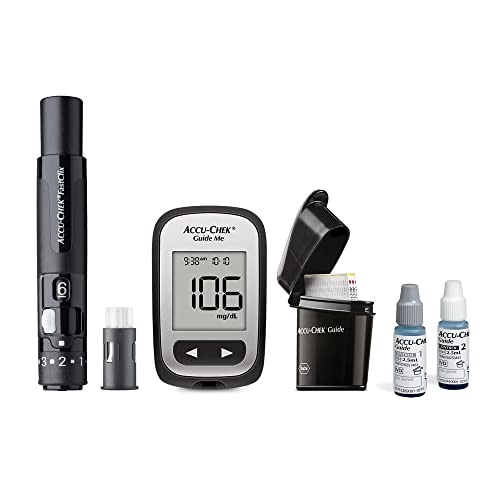
Accu-Chek FastClix Glucose Monitor Kit
Accu-Chek
Premium
Keto-Mojo GK+ Bluetooth Glucose & Ketone Meter
Keto-Mojo
Mid-Range
McKesson Quintet AC Glucose Test Strips for QUINTET AC system
McKesson
Mid-Range
Pip Blood Glucose Monitor Kit with Preloaded Lancets
Pip
Mid-Range
PetTest Expert Glucose Monitoring Kit for Diabetic Pets
Advocate Pettest
Mid-Range
OneTouch Verio Reflect Blood Glucose Meter Kit
ONETOUCH
Mid-Range
Metene TD-4116 Blood Glucose Monitor Kit (150 strips, 150 lancets)
Metene
Mid-Range
Non invasive glucose monitor for home use (V1) - 1Pack
Freshcare
Mid-Range
PetTest Beginner Glucose Monitoring Kit for Pets
Advocate Pettest
Mid-Range
iHealth Acacia Blood Glucose Monitoring Kit
iHealth
Mid-Range
Relion compatible glucose test strips for Platinum meters
LUAL
Budget
PetTest Beginner Glucose Monitoring Kit for Pets
Advocate Pettest
Mid-Range
4-in-1 Hemoglobin Test Meter Kit
ACCU-ANSWER
PremiumRoundups
Frequently Asked Questions
How do I choose the right blood glucose monitor for my needs?
Choose based on accuracy (look for FDA-cleared or ISO 15197-compliant devices), ease of use (display size, memory, strip handling), required features (data transfer, averaging, alternate site testing), and ongoing costs like test strips and lancets
What should I expect to pay for a blood glucose meter and ongoing supplies?
Meters themselves commonly range from basic budget options under $50 to higher-feature models above $50; expect recurring costs for test strips and lancets, which can exceed the cost of the meter over time, so compare strip price and quantity when budgeting
How accurate are consumer blood glucose monitors and how can I ensure reliable readings?
Most modern consumer meters meet regulatory accuracy standards but user factors affect results; ensure accurate readings by using fresh, undamaged test strips, calibrating if required, following proper lancet technique, and checking meter function with control solution if available
What features should I prioritize if I want to track and share glucose data?
Prioritize meters with built-in memory for date/time stamps, USB/Bluetooth or app connectivity for exporting results, CSV/printable reports, and compatibility with common health apps or software for trend analysis and sharing with healthcare providers
Are there differences between meters for type 1 versus type 2 diabetes or for non-diabetic monitoring?
Fundamentally meters measure the same blood glucose values, but people with type 1 diabetes may need faster testing, more frequent use, and alarms or continuous monitoring integration, while those monitoring for general health may prefer simpler, lower-cost devices
How should I care for and maintain a blood glucose monitor?
Keep the meter clean and dry, store test strips in their original container at recommended temperatures, replace batteries as needed, avoid contaminating strip ports, and follow manufacturer instructions for periodic function checks and proper disposal of sharps and used strips
Can I use expired test strips or share my meter with others?
Do not use expired or visibly damaged test strips as they can produce inaccurate results; meters can be shared if properly cleaned and used with personal lancets, but individual test strip supplies and infection-control practices should be maintained