Body Composition Monitors
Body composition monitors measure body fat, muscle mass, bone density and related metrics using bioelectrical impedance or advanced sensors; offerings range from basic bathroom scales to multi-frequency models. This health & wellness category includes about 14 products, with an average rating of 4.55 and prices spanning roughly $35–$299; RENPHO is a commonly represented brand
Top Products

RENPHO Smart Scale with BMI and body composition
RENPHO
Budget
RENPHO smart scale for body weight and body fat - Bluetooth scale
RENPHO
Budget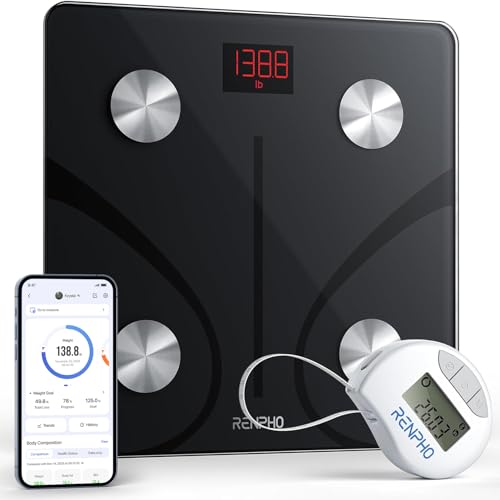
RENPHO smart scale and tape measure for body metrics
RENPHO
Mid-Range
Etekcity Smart Scale with 13 Metrics
Etekcity
Mid-Range
RENPHO extra-wide body weight scale with large display
RENPHO
Mid-Range
Etekcity Smart Body Weight Scale with 13 Metrics
Etekcity
Mid-Range
RENPHO Elis 2X Smart Scale with BMI, body fat, muscle mass
RENPHO
Mid-Range
iHealth Nexus Smart Scale with body composition
iHealth
Mid-Range
GE Body Composition Scale with 14 metrics
GE
Mid-Range
INEVIFIT EROS Bluetooth Body Fat Scale
INEVIFIT
Premium
INEVIFIT EROS Bluetooth Body Fat Scale
INEVIFIT
Premium
RENPHO smart scale for body composition
RENPHO
Mid-Range
RunStar 8-electrode Body Scale for precise body composition
runstar
Premium
InBody Dial H20 body composition scale
InBody
PremiumRoundups
Frequently Asked Questions
What is a body composition monitor and how does it differ from a regular bathroom scale?
A body composition monitor uses bioelectrical impedance or similar sensors to estimate metrics like body fat, muscle mass, and water percentage, while a regular bathroom scale only measures total body weight
Which features should I prioritize when choosing a body composition monitor?
Prioritize accuracy (validated measurement methods), number of metrics tracked (body fat, muscle, bone mass, water), user profiles/multi-user support, app connectivity and data syncing, and build quality such as electrode design and weight capacity
How accurate are body composition monitors and what affects their readings?
Accuracy varies by device and method; readings can be reasonably consistent for tracking trends but are affected by hydration, recent meals/exercise, time of day, skin contact quality, and proper device placement
What should I expect to pay for a reliable body composition monitor?
Options range from budget models under $50 to higher-end units above $150; many common consumer models average around $80 and provide multi-metric tracking with app integration
How do I maintain and care for a body composition monitor?
Keep the electrodes clean and dry, use on a flat, hard surface, avoid dropping or exposing to moisture, replace batteries as recommended, and follow manufacturer calibration or firmware update instructions if provided
Can multiple people use the same monitor and will it keep separate data?
Many monitors support multiple user profiles and can distinguish users by height/weight patterns or require profile selection in the companion app; check device specifications for the maximum number of profiles and how automatic recognition works
Are smartphone app features important and what should I look for?
App features matter for long-term tracking: look for automatic syncing, clear metric history and trends, CSV or export options, third-party integrations (like health platforms), and privacy policies regarding data storage