Bunion Splints
Bunion splints and correctors for at-home toe alignment, pain relief, and postural support, offered as soft sleeves, night splints, and adjustable braces. The category includes 11 indexed products averaging a 4.51 rating, with mid-range pricing around $35–$60 and brands like Kutain among the top sellers
Top Products

Bunion Corrector with Toe Straightener – Adjustable for Left/Right Feet
Kutain
Mid-Range
Bunion corrector for toe realignment (2-pack)
HLOES
Mid-Range
Bunion Corrector for Toe Alignment by Kutain
Kutain
Mid-Range
Bunion Corrector for Women & Men Toe Straightener (2-Pack) by Awojrsky
Awojrsky
Mid-Range
Bunion Corrector for toe alignment (2 pcs) black
Kutain
Mid-Range
Comfort Bunion Corrector with toe straightener (2 pcs) for men and women
Kutain
Mid-Range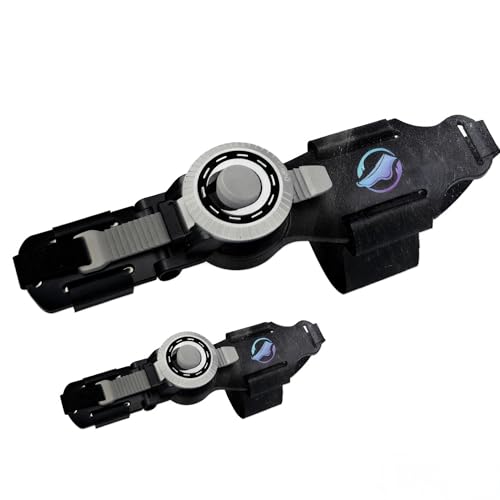
Bunion Corrector for Women & Men – Adjustable Toe Separator
HUQKIYA
Mid-Range
Bunion Corrector for toe alignment (2pc) white
Fittakan
Mid-Range
Bunion Corrector for Toe Alignment - 2pc Grey
Fittakan
Mid-Range
Bunion Corrector with Adjustable Knob and Silicone Pad (2PCS)
Pwithze
Budget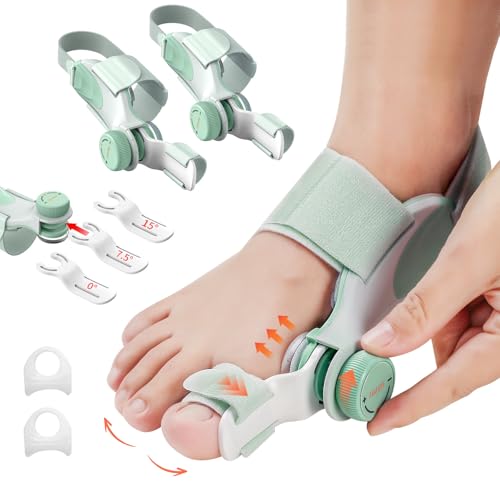
Bunion Corrector for Women & Men (2 Pack) with Adjustable Knob & Angled Plates
EliaValth
Mid-RangeRoundups
Frequently Asked Questions
What types of bunion splints are available and how do I choose one?
There are rigid nighttime splints that hold the big toe straight, soft daytime separators or sleeves for pain relief, and adjustable hinged braces for limited mobility correction. Choose based on when you want to wear it (day vs night), level of correction desired, and comfort—rigid splints provide stronger realignment while soft sleeves prioritize cushioning and pain reduction
How do I pick the right size and fit?
Measure foot length and, if provided, girth around the widest part of the forefoot and compare to the brand's sizing chart; many splints are adjustable or come in universal sizes but proper toe alignment and a secure yet non‑restrictive fit are important to avoid slipping or circulatory issues
Can bunion splints reduce pain and correct the deformity?
Splints and braces can relieve pain, reduce rubbing, and help slow progression by realigning the toe during rest, but they generally cannot fully reverse advanced bony deformities; effectiveness depends on severity, consistency of use, and whether combined with footwear changes and medical advice
What materials and features should I look for?
Look for breathable, padded materials for comfort, adjustable straps or velcro for fit, a rigid or semi‑rigid splint arm for stronger correction, and washable components; hypoallergenic fabrics and moisture‑wicking liners are helpful for prolonged wear
How long should I wear a bunion splint each day?
Recommended wear time varies: daytime soft separators can be worn during most of the day for symptomatic relief, while nighttime rigid splints are typically worn during sleep for several hours; follow product guidelines and consult a clinician if you experience increased pain or numbness
How do I clean and maintain a bunion splint?
Most fabric sleeves and straps can be hand‑washed with mild soap and air‑dried; remove any rigid or metal components before washing if the product allows, and inspect straps and padding regularly for wear to maintain hygiene and function
When should I see a healthcare professional instead of relying on a splint?
See a clinician if you have severe or rapidly worsening deformity, persistent or severe pain, signs of infection, numbness, circulatory changes, or if conservative measures including splints and footwear changes fail to improve symptoms