Coconut Milk & Cream
Coconut Milk & Cream in Health & Wellness covers canned and shelf-stable coconut milk, creamers, and concentrated creams used for cooking, smoothies, and dairy-free diets. Fifteen products average a 4.23 rating and mid-range pricing (about $33–$54), with brands like Thai Kitchen and Aroy-D represented
Top Products

Thai Kitchen Organic Unsweetened Lite Coconut Milk (12-pack)
Thai Kitchen
Budget
Thai Kitchen Unsweetened Lite Coconut Milk, 25.36 fl oz (Pack of 6)
Thai Kitchen
Budget
Aroy-D Coconut Milk 33.8 oz x6
Aroy-D
Budget
Organic Coconut Milk 13.5oz can (12) unsweetened, 18% fat, vegan
Jiva Organics
Mid-Range
Thai Kitchen Unsweetened Lite Coconut Milk (13.66 fl oz, pack of 12)
Thai Kitchen
Budget
Nature's Greatest Foods Organic Coconut Milk, unsweetened, 13.5 oz (12-pack)
Nature's Greatest Foods
Mid-Range
Iberia lactose-free evaporated coconut milk, 13.5 fl oz (pack of 12)
Iberia
Budget
Miracle Palm Coconut Milk Unsweetened, Organic - 13.5 Fl Oz (Pack of 12)
MIRACLE PALM
Mid-Range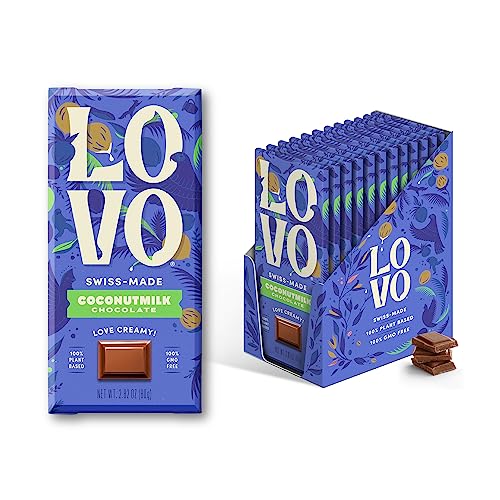
Lovo Coconutmilk Chocolate, 100% Plant-based (Pack of 12)
LOVO
Budget
Simply Asia Unsweetened Coconut Milk, 24 pack
Simply Asia
Mid-Range
Aroy-D Coconut Milk, 14 oz cans (pack of 12)
Aroy-D
Mid-Range
RawGuru Organic Coconut Milk Powder - Vegan & Nutrient-Dense
RawGuru
Budget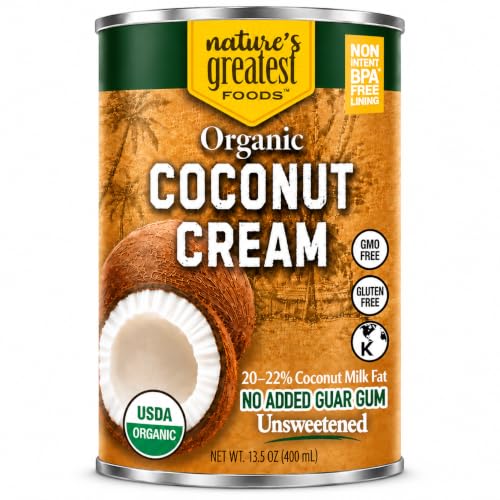
Organic Coconut Cream 13.5oz (pack of 12) - vegan, gluten-free
Nature's Greatest Foods
Mid-Range
Native Forest Organic Light Coconut Milk - Unsweetened (Canned) 13.5 Fl Oz
Native Forest
Mid-Range
Kara Coconut Cream 6.8 oz (Pack of 25)
KARA
Mid-RangeRoundups
- Best Coconut Milk & Cream for Baking (2026)
- Best Coconut Milk & Cream for Desserts (2026)
- Best Coconut Milk & Cream for Smoothies (2026)
- Best Coconut Milk & Cream Under $200 (2026)
- Best Coconut Milk & Cream Under $100 (2026)
- Best Coconut Milk & Cream Under $50 (2026)
- Best Coconut Milk & Cream (2026 Guide)
Frequently Asked Questions
How do I choose between canned coconut milk, coconut cream, and drinking coconut milk?
Choose canned coconut milk for cooking and recipes that need thicker texture; coconut cream for richer sauces, desserts, and whipping; and drinking coconut milk (in cartons or bottles) for beverages, smoothies, and cereal where a thinner consistency and often added vitamins are preferred
What should I look for on the label to ensure good quality and health benefits?
Check the ingredient list for primarily coconut and water with few additives; look for unsweetened versions to avoid added sugars; consider BPA-free cans if available and check for certifications you value such as organic or non-GMO
Are there significant price differences and what is a reasonable budget to expect?
Prices vary by format and brand; budget options are commonly available under $50 per typical multi-unit or bulk pack, while specialty or organic lines cost more; average prices in small-shelf categories often fall in the mid-range, so compare unit sizes to judge value
How should I store coconut milk and cream before and after opening?
Store unopened cans or cartons in a cool, dry place; after opening, refrigerate leftover coconut milk or cream in a sealed container and use within 3–7 days, shaking or stirring before use as separation is normal
Can coconut milk or cream be used as a dairy substitute for people with lactose intolerance or dairy allergies?
Yes, unsweetened coconut milk and cream are dairy-free and naturally lactose-free, but check labels for possible cross-contact warnings or added dairy ingredients if you have severe allergies
How do I know when coconut milk or cream has gone bad?
Signs of spoilage include an off or sour smell, mold growth, or an unusual texture or color; canned products with bulging lids or leaking seams should be discarded without opening
Are there differences in fat content and how do they affect cooking uses?
Coconut cream has the highest fat content and provides the richest texture for curries, desserts, and whipped toppings; regular canned coconut milk is moderately fatty for creamy sauces, while drinking coconut milk is lower in fat and suited for beverages and lighter recipes