Coffee Substitutes
This Coffee Substitutes category covers herbal blends, roasted grain and cacao-based alternatives aimed at reducing or replacing caffeine intake, with mid-range pricing (about $32–$111, average $54). It includes 73 indexed products averaging 4.35 stars and features brands like Teeccino among others
Top Products

Two 100 Cup Bags Dandy Blend Instant Herbal Beverage
Dandy Blend
Budget
Teeccino Vanilla Nut Chicory Coffee Alternative (Ground) – 11 oz (pack of 3)
Teeccino
Mid-Range
Coffee Concentrate Bundles - Caramel & Mocha
Javvy
Mid-Range
Javvy Coffee Concentrate - Cold Brew & Espresso Style Coffee
Javvy
Mid-Range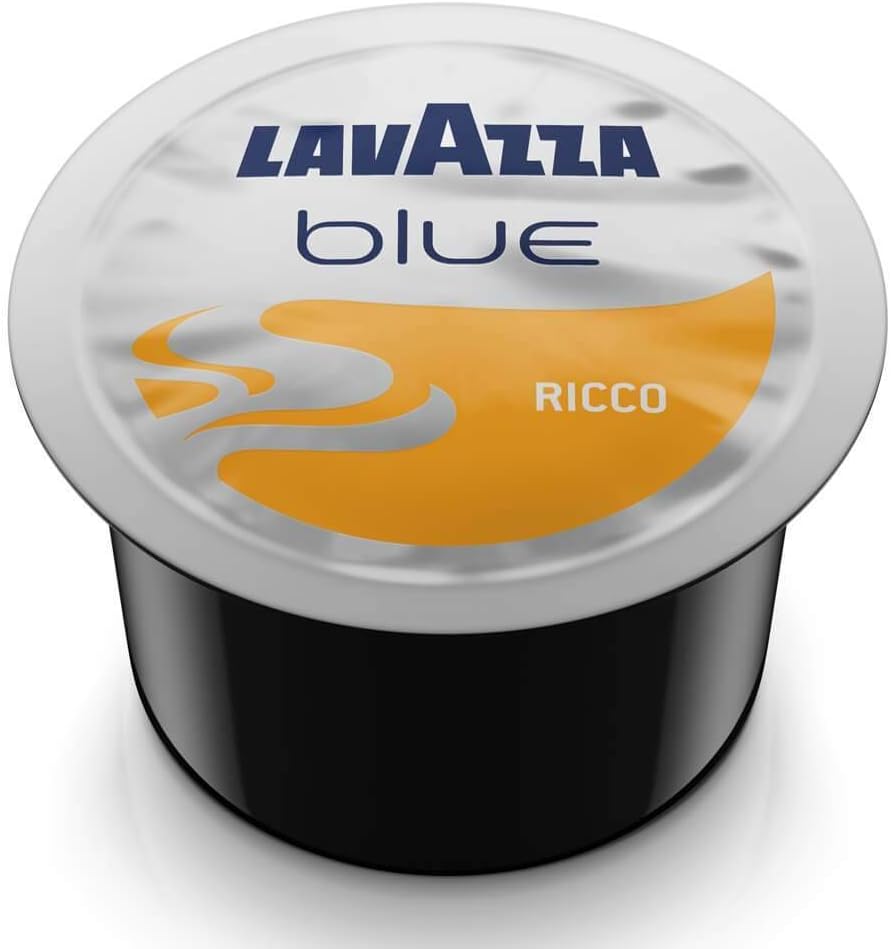
Lavazza Blue Espresso Ricco Capsules
Lavazza
Budget
Cafix Caffeine-Free Instant Coffee Substitute (7.05-oz, pack of 6)
Cafix
Mid-Range
Teeccino Hazelnut Chicory Coffee Alternative (11 oz) – Ground Herbal, Caffeine Free
Teeccino
Mid-Range
KOS Golden Mylk Turmeric Ginger Adaptogen Powder
KOS
Budget
Teeccino Mocha Chicory Coffee Alternative - Ground Herbal Coffee (Pack of 3)
Teeccino
Mid-Range
Teeccino Raspberry Mocha Chicory Coffee Alternative
Teeccino
Mid-Range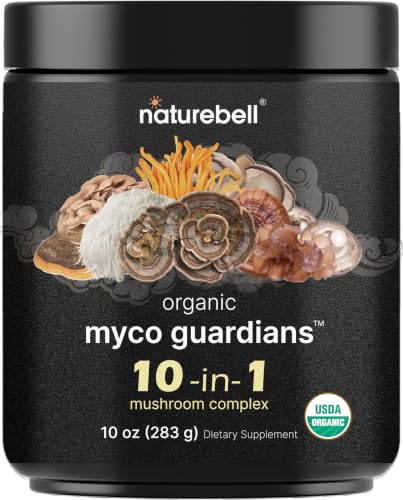
NatureBell Organic Mushroom Powder 10oz 10-in-1 adaptogenic blend
NatureBell
Budget
Teeccino French Roast Chicory Coffee Alternative - Ground Herbal Coffee
Teeccino
Mid-Range
Teeccino Dandelion Vanilla Nut Herbal Coffee - Caffeine-Free (10 oz x 3)
Teeccino
Mid-Range
Teeccino Dandelion Dark Roast Herbal Coffee - Caffeine-Free Coffee Alternative
Teeccino
Mid-Range
Teeccino Maca Chocolate Chicory Coffee Alternative - Ground Herbal Coffee (Pack of 3)
Teeccino
Mid-Range
RASA Cacao Adaptogenic Coffee Alternative (8 oz, 30 servings)
Rasa
Budget
Teeccino Vanilla Nut Chicory Coffee Alternative - Ground Herbal Coffee
Teeccino
Premium
Teeccino Almond Amaretto Chicory Coffee Alternative - Ground Herbal Blend
Teeccino
Premium
Coffee concentrate bundles - cold brew for hot or iced drinks
Javvy
Premium
Joey Mushroom Coffee Alternative with Cacao & Dandelion
Joe'y
Mid-Range
CHICORAYA Coffee Alternative: Chicory, Dandelion & Mushroom Blend
CHICORAYA
Mid-Range
Monkey Brew Original Mushroom Tea Drink
Monkey Brew
Budget
Teeccino Blood Orange Chicory Coffee Alternative - Ground Herbal Coffee (Pack of 3)
Teeccino
Mid-Range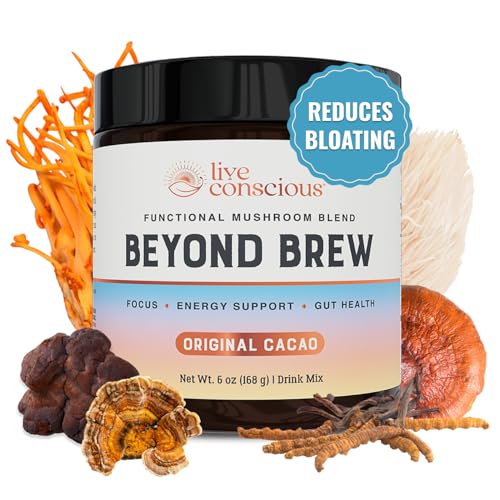
Live Conscious Beyond Brew - Coffee Alternative with Mushroom Complex
Live Conscious
Mid-RangeRoundups
Frequently Asked Questions
How do I choose the right coffee substitute for health and wellness?
Consider your goals (lower caffeine, gut health, antioxidant content), ingredient sensitivities (gluten, dairy, herbs), flavor preferences (roasted, chocolatey, nutty), and format (instant, grounds, pods). Check labels for added sugars, adaptogens, and caffeine content to match your dietary needs
Are coffee substitutes typically caffeine-free and how can I verify that?
Many substitutes are caffeine-free or very low in caffeine, but some use cacao or yerba mate which contain caffeine. Verify by checking the nutrition label or product description for 'caffeine' or 'caffeine-free' and look at ingredient lists for cacao, mate, black tea, or green tea
What price range should I expect and are higher-priced options worth it?
Coffee substitutes in the health & wellness niche commonly range from budget options under $20 to specialty blends above $75, with an average around mid-tens to low hundreds depending on format and ingredients. Higher-priced items may use organic sourcing, ceremonial-grade cacao, or more complex blends, but value depends on ingredient quality and how often you’ll use the product
How do I prepare different types of coffee substitutes (grounds, instant, cacao)?
Instant powders dissolve in hot water or milk and are quickest; brewed grounds (chicory, roasted grains) use a French press or drip brewer similar to coffee; cacao or cacao blends often require whisking with hot water or milk and can be prepared like hot chocolate or mixed into smoothies
Are there common allergens or interactions I should watch for?
Common allergens include dairy (in some mixes), nuts, soy, and gluten in grain-based blends; herbal ingredients can interact with medications (e.g., stimulants, blood thinners). Read ingredient lists and consult a healthcare professional if you have allergies or take prescription medications
How long do coffee substitute products typically last and how should I store them?
Shelf life varies but dry powders and ground blends generally last 6–24 months unopened; after opening, store in a cool, dry place in an airtight container to preserve flavor and prevent moisture. Check package 'best by' dates for specific guidance
What flavors and textures can I expect compared with regular coffee?
Substitutes range from roasted, earthy, and slightly bitter (chicory, roasted grains) to chocolatey (cacao) or nutty and malty; mouthfeel can be lighter or fuller depending on preparation and whether the product contains dairy or fats. Expect variation among brands and blends rather than exact coffee equivalence