Cooking & Baking Nuts & Seeds
This category covers nuts and seeds for cooking and baking, including shelled nuts, seed mixes, and ingredient-grade nut flours and butters for health-conscious recipes. Fifteen products are indexed with an average rating of 4.53 and mid-range pricing (about $32–$125), with brands like Gefen represented
Top Products

Yupik Pine Nuts, raw, shelled, unsalted, 2.2 lb
Yupik
Mid-Range
Gourmanity Roasted Chestnuts in Jar, peeled, ready to eat (2 x 14.8 oz)
Gourmanity
Budget
Mestemacher Sunflower Seed Bread, 1.1 lb (Pack of 12)
Mestemacher
Mid-Range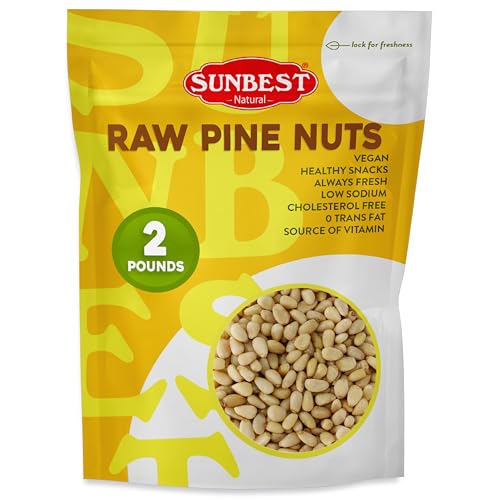
Sunbest Natural Raw Pine Nuts (Pignolia) 2 lb Bag
SUNBEST NATURAL
Mid-Range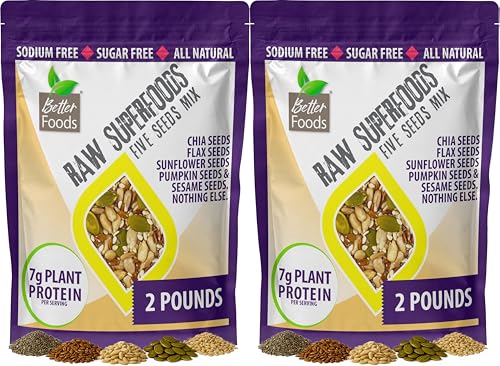
Five Seeds Mix 2-Pack - Raw Vegan Seed Blend
BetterFoods
Mid-Range
Diamond of California Pine Nuts, 2.25 oz (12 Pack)
Diamond of California
Mid-Range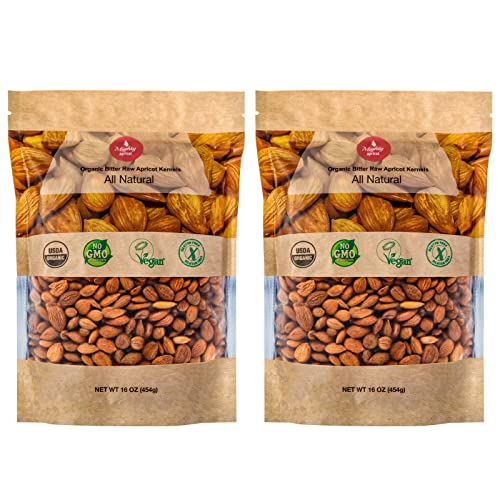
Mighty Apricot Bitter Apricot Kernels (1lb) 2-pack, Organic
Mighty Apricot
Mid-Range
Gefen Roasted Chestnuts, Peeled, 5.2oz (12 Pack)
Gefen
Mid-Range
Gefen Organic Chestnuts, peeled & roasted, 3oz (24 Pack)
Gefen
Mid-Range
Whole Oats, hulled and de-hulled, 5 lb bulk
Mulberry Lane Farms
Mid-Range
Drybox Bitter Apricot Kernels, Raw, organic, 2x16oz
drybox
Mid-Range
Gefen Organic Chestnuts, Peeled & Roasted, 5.2oz (10 Pack)
Gefen
Mid-Range
BetterFoods Five Seeds Mix – Family Size 32oz
BetterFoods
Premium
Five Seeds Mix: raw vegan bulk seeds for salads & baking
BetterFoods
Premium
Food to Live Pine Nuts, Organic, Raw, Unsalted, Non-GMO, 4 lb
Food to Live
PremiumRoundups
- Best Cooking & Baking Nuts & Seeds for Snacking (2026)
- Best Cooking & Baking Nuts & Seeds for Baking (2026)
- Best Cooking & Baking Nuts & Seeds for Pesto (2026)
- Best Cooking & Baking Nuts & Seeds for Salad Topping (2026)
- Best Cooking & Baking Nuts & Seeds Under $200 (2026)
- Best Cooking & Baking Nuts & Seeds Under $100 (2026)
- Best Cooking & Baking Nuts & Seeds Under $50 (2026)
- Best Cooking & Baking Nuts & Seeds (2026 Guide)
Frequently Asked Questions
How do I choose between nuts, seeds, and mixed blends for health and baking uses?
Choose based on nutrition and function: nuts (almonds, walnuts) add healthy fats, structure and crunch; seeds (chia, flax, sunflower) add fiber, omega-3s and binding properties; mixed blends offer variety and convenience. For baking, pick items labeled raw or roasted depending on desired flavor and consider grindability for flours or pastes
What should I look for on labels to assess quality and freshness?
Check roast date or packaging date, use-by date, whether products are raw or roasted, and storage instructions. Look for minimal additives (salt, sugar), non-GMO or organic certifications if important, and packaging that is resealable or vacuum-sealed to preserve freshness
How much do these products typically cost and what affects price?
Prices vary by type, processing and brand; many items fall into budget options under $50 up to premium specialty blends that cost more. Factors that affect price include organic certification, single-origin sourcing, added processing (slicing, grinding, roasting), and pack size
Are nuts and seeds good for specific dietary needs like keto, vegan, or gluten-free?
Most nuts and seeds are naturally vegan and gluten-free, and many are suitable for low-carb/keto diets due to high fat and low net carbs (e.g., macadamia, pecans). Always check labels for added ingredients or cross-contamination warnings if you have strict dietary restrictions or celiac disease
How should I store nuts and seeds to keep them fresh and prevent rancidity?
Store in airtight, opaque containers in a cool, dark place for short-term use; refrigerate or freeze large quantities or high-oil items (walnuts, flaxseed) to extend shelf life and slow rancidity. Use within recommended timeframes and keep away from heat, light and moisture
Can I substitute different nuts or seeds in recipes without changing outcome?
Yes, many nuts and seeds can be swapped, but expect changes in flavor, texture and fat content; for example, sunflower seeds can replace nuts in nut-free recipes, and ground almonds can substitute for some flours in gluten-free baking with slight texture adjustments. Adjust quantities and liquid ratios as needed when swapping
What common allergens and safety concerns should I check before buying?
Nuts are common allergens—check for tree nut and peanut labeling—and many facilities process multiple allergens, so review cross-contact warnings. Also verify whether seeds like sesame are present if you or others have seed allergies, and avoid products with added sulfites or preservatives if sensitive