Dried Black Beans
Dried black beans for health-conscious cooking and long-term pantry storage, offered in bulk and packaged formats (10 products indexed). Average rating 4.55 and mid-to-premium price range (about $34–$100), with brands like CLEAR CREEK represented
Top Products

Clear Creek Black Lentils (Caviar/Beluga) 8 lbs
CLEAR CREEK
Budget
Zatarain's Black Beans & Rice, 7 oz (12-pack)
Zatarain's
Mid-Range
CLEAR CREEK Washington State Grown Black Beans, 18 lb
CLEAR CREEK
Mid-Range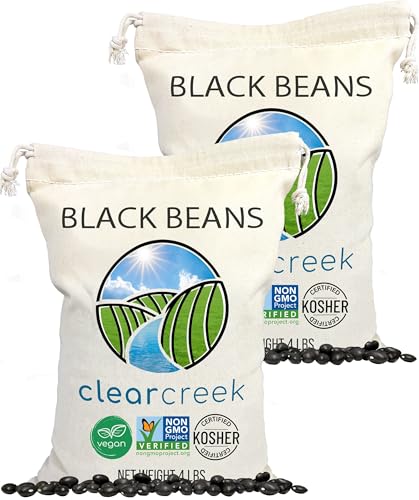
Washington state grown black beans, 8 lb
CLEAR CREEK
Budget
Organic Black Beans, 5 lb - Non-GMO, Dried
Food to Live
Budget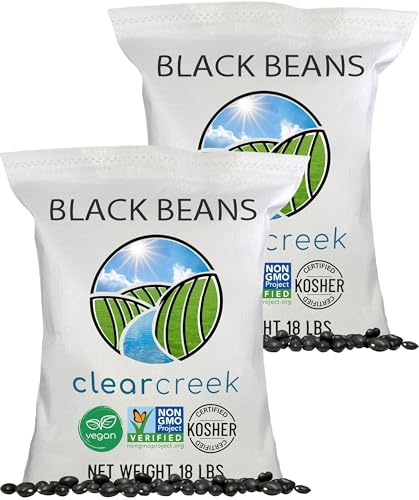
Clear Creek Washington State Grown Black Beans, 36 lbs
CLEAR CREEK
Premium
Organic Black-Eyed Peas, 15 lb - Food to Live
Food to Live
Premium
Wheatland Black Beans Bulk 20lbs Healthful Turtle Beans
WHEATLAND
Premium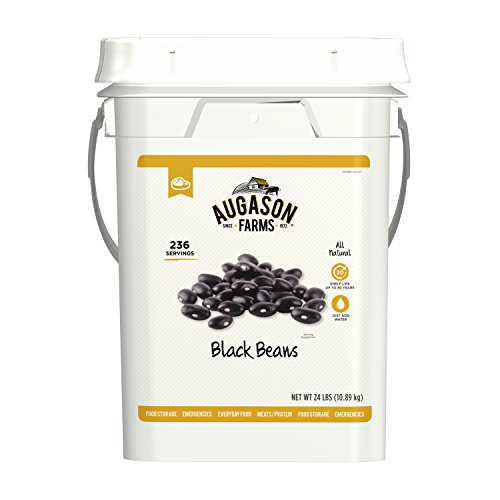
Dried Black Beans Emergency Food Supply (237 servings, 30-year shelf life)
Augason Farms
Mid-Range
Organic Dried Black Beans, unsalted & non-GMO, 25 lb
Doudlah Farms
PremiumRoundups
Frequently Asked Questions
How do I choose the right dried black beans for health and nutrition?
Look for plain, single-ingredient dried black beans without added salt or preservatives; check protein (about 20–25 g per 100 g dry) and fiber content (about 15 g per 100 g dry); consider organic certification if you prefer fewer pesticides and non-GMO labeling if that matters to you
What should I expect to pay for a typical pack of dried black beans in the health & wellness category?
Prices vary by brand, packaging size, and certifications; expect budget options under $15 for standard retail packages and specialty or bulk packs that average higher — product averages in this category are around the mid-range price point
How do I store dried black beans to maintain quality and shelf life?
Store dried beans in a cool, dry, dark place in an airtight container; properly stored, they retain quality for 1–2 years, though older beans may take longer to rehydrate and cook
Do dried black beans require soaking, and what are the cooking steps?
Soaking for 6–8 hours or overnight reduces cooking time and improves digestibility, but you can cook unsoaked beans by increasing simmer time; rinse, optional soak, then simmer until tender (typically 45–90 minutes depending on age and soaking)
Are there common dietary or allergy considerations with dried black beans?
Black beans are naturally gluten-free and suitable for vegetarian and vegan diets, but they contain oligosaccharides that may cause gas for some people; individuals with legume allergies should avoid them
How do organic, non-GMO, and conventional dried black beans differ in practice?
Organic certification indicates production without synthetic pesticides and fertilizers, non-GMO indicates seeds were not genetically modified, and conventional beans may use standard agricultural inputs; nutritional profiles are largely similar across these labels
What should I check on labels for quality and provenance?
Check for pack or harvest date if available, country of origin, ingredient list (should list only black beans), certifications (organic, non-GMO), and packaging type (resealable bags or bulk containers for easier storage)