Dry Eye Relief Products
This Dry Eye Relief Products category covers lubricating eye drops, gels, lids/warm compresses, and redness-relief formulations for dry, irritated eyes. Nineteen products are indexed with an average rating of 4.54 and mid-range pricing (about $34–$70, avg $45). TheraTears is among the top brands represented
Top Products

HydroEye Dry Eye Supplement with GLA, EPA & DHA
ScienceBased Health
Mid-Range
TheraTears Omega 3 Eye Nutrition with Flaxseed & Vitamin E, 180 Count
TheraTears
Mid-Range
TheraTears Nighttime Therapy Lubricant Eye Drops
TheraTears
Mid-Range
Bausch + Lomb Advanced Eye Relief Eye Wash Solution 4 fl oz (Pack of 6)
Bausch + Lomb
Budget
TheraTears Extra Dry Eye Therapy Lubricant Drops (2 x 0.5 oz) Nighttime
TheraTears
Mid-Range
GenTeal Severe Dry Eye Relief Lubricant Eye Gel 0.34 oz (Pack of 3)
Genteal
Mid-Range
EyePromise EZ Tears Eye Vitamin - 60 Softgels
EyePromise
Mid-Range
TheraTears Extra Dry Eye Therapy Lubricating Eye Drops (2-pack)
TheraTears
Mid-Range
Oasis Tears Plus Lubricant Eye Drops (30 count, 2-pack)
Oasis
Mid-Range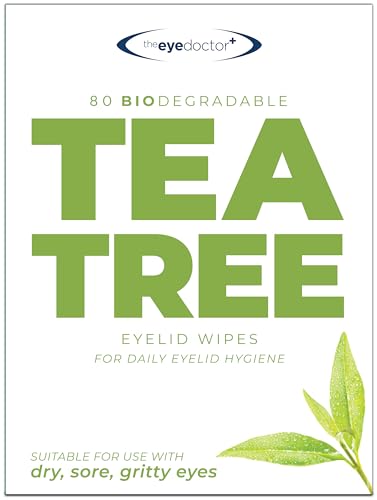
The Eye Doctor Tea Tree Eyelid Wipes (40s)
The Eye Doctor
Budget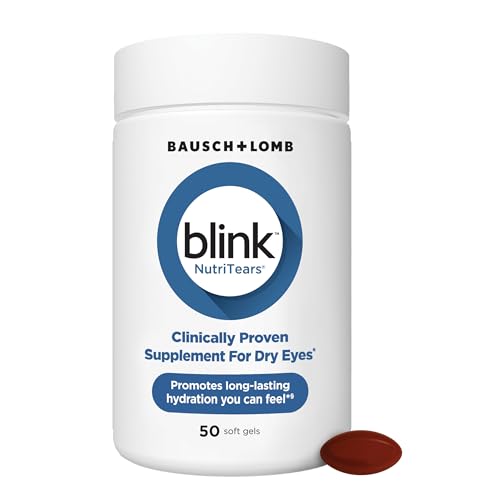
BLINK NutriTears Dry Eye Supplement with lutein & zeaxanthin
BLINK
Mid-Range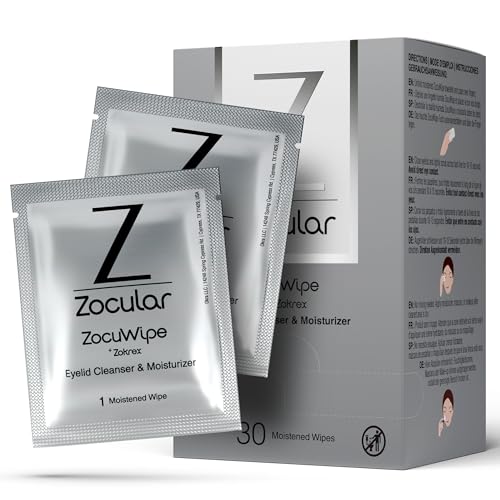
Zocuwipe Eyelid Wipes with Okra Complex
Zocular
Mid-Range
Zocular Zocuwipe Eyelid Wipes with Okra Complex
Zocular
Mid-Range
Genteal Pm Dry Eye Relief Night-Time Ointment (4 Pack)
Sameriver
Mid-Range
Refresh PM Sensitive Lubricant Eye Ointment 0.12 oz (4 pack)
Refresh
Mid-Range
LUMIFY Preservative Free Redness Reliever Eye Drops (2 pack, 20 vials each)
LUMIFY
Mid-Range
Rain preservative-free eye drops for severe dry eyes
Rain
Mid-Range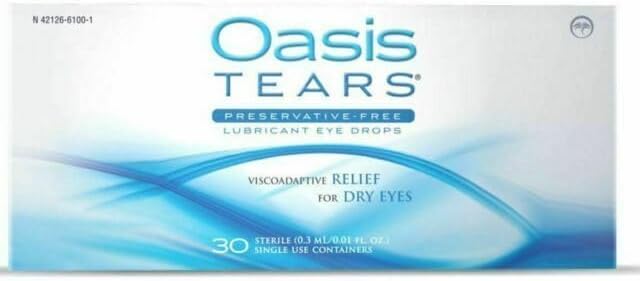
Preservative-Free Lubricant Drops (30 sterile single-use vials) Oasis Tears
Oasis Tears
Mid-Range
Rain preservative free eye drops for dry eyes, contact lens friendly
Rain
PremiumRoundups
Frequently Asked Questions
How do I choose the right type of dry eye relief product?
Select based on your symptoms and cause: lubricating eye drops (artificial tears) for mild to moderate dryness, preservative-free single-use vials for frequent use or sensitive eyes, gels/ointments for nighttime relief, and eyelid cleansers or warm compresses for blepharitis or meibomian gland dysfunction
What ingredients or formulations should I look for or avoid?
Look for lubricants like polyethylene glycol, carboxymethylcellulose, or hyaluronic acid; choose preservative-free if you use drops more than four times daily or have sensitivities; avoid long-term use of drops with benzalkonium chloride if you have chronic dry eye unless directed by an eye care professional
How much should I expect to spend on dry eye relief products?
Prices vary by format and brand: budget options and basic lubricating drops are often available under $50, while specialty formulations (preservative-free multi-dose systems, medicated gels, or heated devices) tend to cost more; the category average price is near the mid-range
How often can I safely use over-the-counter eye drops?
Many preservative-free artificial tears can be used as needed throughout the day, while preserved drops are typically recommended fewer times to reduce irritation; follow product directions and consult an eye care provider if you need drops several times daily
Do dry eye products interact with contact lenses or other eye medications?
Some drops are formulated for use with contact lenses, while others require lens removal before application; avoid using multiple ophthalmic medications within minutes of each other without guidance, and check labels or ask your eye care professional about compatibility
How should I store and care for dry eye products once opened?
Store at room temperature away from direct heat and close caps tightly; discard single-use vials after one use, and follow the manufacturer's open-vial expiration window for multi-dose bottles to reduce contamination risk
When should I see an eye care professional instead of relying on over-the-counter products?
Seek professional evaluation if symptoms are severe, sudden, worsening, accompanied by vision changes or eye pain, do not improve with OTC treatments, or if you require frequent daily use of drops to relieve symptoms