Fertility Tests & Indicators
Fertility Tests & Indicators covers ovulation and hormone monitors, at-home fertility kits, and electronic cycle trackers used for family planning and reproductive health monitoring. The 24-product category averages a 4.28 rating, spans budget to premium prices (about $36–$269), and includes brands like Inito
Top Products

SpermCheck Home Sperm Count Test
SpermCheck
Mid-Range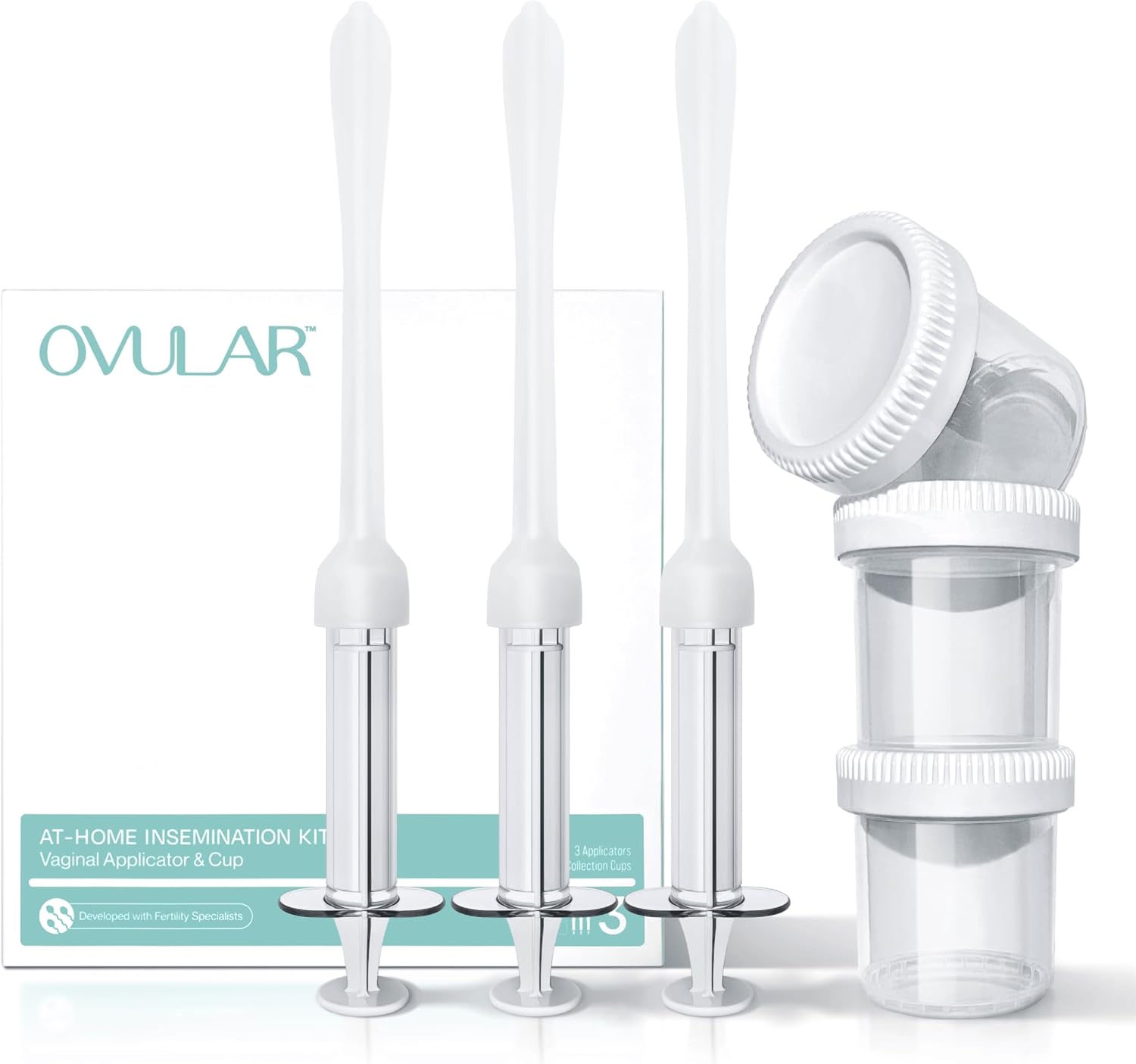
Ovular at-home insemination kit for women
OVULAR
Mid-Range
Exploro Sperm Check Fertility Test Kit (2 Pack) for Men
LENDAS UAB
Budget
YO Home Sperm Test – FDA-cleared at-home semen analysis
YO
Premium
Inito Fertility Monitor & Hormone Tracker
Inito
Premium
Inito Fertility Monitor & Hormone Tracker
Inito
Premium
Inito Fertility Monitor & Hormone Tracker
Centum Electronics Limited
Premium
Inito Fertility Monitor & Hormone Tracker
Inito
Premium
Inito Fertility Monitor & Hormone Tracker
Centum Electronics Limited
Premium
Inito Fertility Monitor & Hormone Tracker for Women
Inito
Premium
Inito Fertility Monitor & Hormone Tracker
Centum Electronics Limited
Premium
Inito Fertility Monitor & Hormone Tracker
Inito
Premium
SwimCount At-Home Sperm Quality Test Kit
MotilityCount ApS
Mid-Range
Inito Fertility Test Strips Pack of 30 (iPhone compatible)
Inito
Premium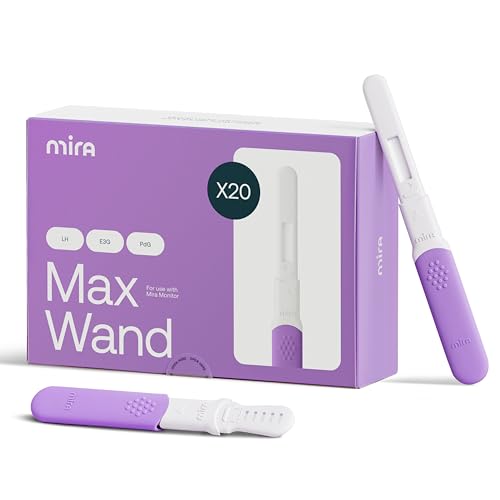
Mira Fertility Max Wands + 20 Tests for At-Home Ovulation Tracking
MIRA
Premium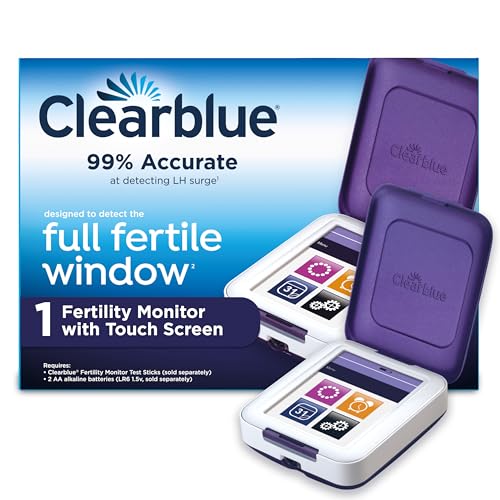
Clearblue Fertility Monitor with Touch Screen
Clearblue
Premium
Inito Fertility Monitor & Hormone Tracker
Inito
Premium
Inito Fertility Monitor & Hormone Tracker for Women
Centum Electronics Limited
Premium
Inito Fertility Monitor & Hormone Tracker
Inito
Premium
Inito Fertility Monitor & Hormone Tracker
Inito
Premium
Proov Complete Fertility Monitor
Proov
Premium
Mira Menopause FSH Kit with 10 Strips & App
Quanovate Tech
Premium
Mira Max Fertility Monitor & Ovulation Test Kit
Quanovate Tech
Premium
Fertility Tracker + Free App
kegg
PremiumRoundups
Frequently Asked Questions
How do I choose between different types of fertility tests and indicators?
Choose based on what you want to monitor: ovulation predictor kits detect LH surge, basal body temperature tools track temperature shifts, hormone monitors measure hormones like estrogen or progesterone, and fertility monitors combine multiple signals. Consider accuracy, ease of use, data integration (apps), and whether you need single-use strips or a reusable device
What is a reasonable budget for fertility test devices and indicators?
Products in this category range from budget single-use tests under $50 to multi-parameter electronic monitors that can cost several hundred dollars; average listing prices in the category are around $120. Factor in recurring costs like replacement test strips when comparing total expense
How accurate are at-home fertility tests compared with clinical lab tests?
At-home ovulation kits and hormone monitors can reliably detect hormonal patterns like LH surges and changes in estrogen or progesterone, but accuracy varies by brand and test type; clinical lab tests remain more comprehensive for diagnostic purposes. Use at-home results as guidance and consult a healthcare provider for persistent concerns or fertility evaluation
What features should I look for if I want to track fertility over several cycles?
Look for reusable electronic monitors with data storage or companion apps, the ability to measure multiple biomarkers (e.g., LH, estrogen, progesterone), clear trend visualization, and exportable reports. Battery life, replacement consumable costs, and user reviews on long-term reliability are also important
How do I maintain and clean reusable fertility monitoring devices?
Follow the manufacturer's instructions: wipe external surfaces with a soft, damp cloth and mild soap, avoid submerging electronic units, store in a dry place, replace disposable test strips as directed, and check for firmware updates if the device has a companion app
Can fertility monitors be used by people with irregular cycles or who are breastfeeding?
Monitors that measure multiple hormones or use algorithmic cycle analysis tend to perform better with irregular cycles, but irregularities, recent pregnancy, breastfeeding, or hormonal medications can affect hormone patterns and reduce predictive accuracy. Consult a healthcare professional for personalized guidance
What privacy considerations should I check for devices with companion apps?
Review the app's data policies to see how health data is stored, whether it is encrypted, and if it is shared with third parties. Prefer devices that allow local data export or anonymized storage and that provide clear consent options for data sharing