Finger Splints
Finger splints for stabilizing, protecting, and immobilizing injured or arthritic fingers, offered as rigid metal, molded plastic, and soft fabric designs. About 32 items indexed with an average rating of 4.44 and mid-range prices near (price varies); brands include Comfort Cool and ARMSTRONG AMERICA
Top Products

FEATOL Carpal Tunnel Wrist Brace with Thumb Support
FEATOL
Budget
FEATOL Carpal Tunnel Wrist Brace with Thumb Support
FEATOL
Budget
FEATOL Carpal Tunnel Wrist Brace with Thumb Support
FEATOL
Budget
FEATOL Carpal Tunnel Wrist Brace with Thumb Support
FEATOL
Budget
FEATOL Carpal Tunnel Wrist Brace with Thumb Support (Medium/Large) - Left Hand
FEATOL
Budget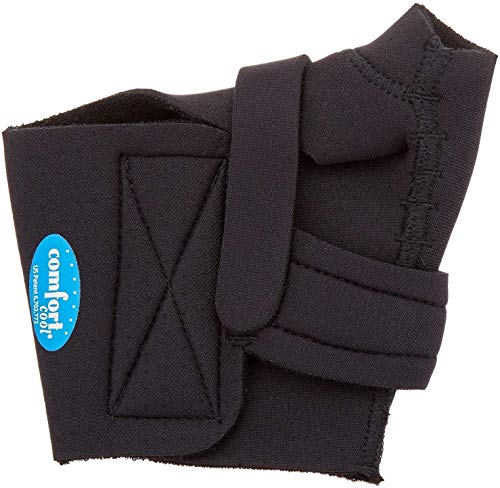
Comfort Cool Thumb CMC Splint, Black
Comfort-Cool
Budget
Comfort Cool Thumb CMC Restriction Splint, Right Small
Comfort Cool
Budget
Comfort Cool Thumb CMC Restriction Splint
Comfort Cool
Budget
Comfort Cool Thumb CMC Restriction Splint, Right Hand, Medium, Black
Comfort Cool
Budget
Comfort Cool Thumb CMC Restriction Splint, Left Medium Plus 7-7/8 to 8-1/4
Comfort Cool
Budget
Comfort Cool Thumb CMC Restriction Splint, Right Medium Plus 7-7/8 to 8-1/4
Comfort Cool
Budget
Comfort Cool Thumb CMC Restriction Splint - Left Small 6"-7"
Comfort Cool
Budget
Comfort Cool Thumb CMC Restriction Splint - Left Medium
Comfort Cool
Mid-Range
Comfort Cool Thumb CMC Restriction Splint (Right Hand, Medium Plus)
Comfort Cool
Budget
Comfort Cool Thumb CMC Restriction Splint, Right Hand, Large
Comfort Cool
Budget
Comfort Cool Thumb CMC Restriction Splint, Left Large
Comfort Cool
Budget
Comfort Cool Thumb CMC Restriction Splint, Right Small Plus
Comfort Cool
Budget
Comfort Cool Thumb CMC Restriction Splint, Left Hand, Small
Comfort Cool
Budget
Comfort Cool Thumb CMC Restriction Splint - Right, Medium (7"-8")
Comfort Cool
Budget
Oval-8 Finger Splints (Multi-Size Pack of 5) by 3-Point Products
3-Point Products
Mid-Range
Pinky finger splint boxer fracture brace | ulnar gutter hand support
ARMSTRONG AMERICA
Budget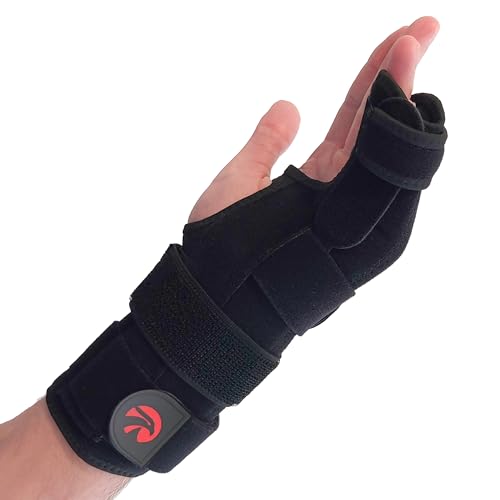
Pinky finger splint for ulnar gutter hand brace (left, large)
ARMSTRONG AMERICA
Budget
Pinky finger splint ulnar gutter hand brace (right) - ring & little finger support
ARMSTRONG AMERICA
Budget
Pinky Finger Splint Boxer's Fracture Brace (Ulnar Gutter) - Right Hand
ARMSTRONG AMERICA
BudgetRoundups
Frequently Asked Questions
How do I choose the right type of finger splint for my injury?
Choose based on the injury: rigid aluminum or plastic splints for fractures and severe sprains, padded foam or gel splints for soft-tissue injuries or protection, and adjustable hinged splints for joint support with limited motion. Match splint length and shape to the injured finger segment (distal, middle, proximal) and consider whether you need immobilization, extension, or extension-limiting support
What size and fit should I look for to ensure proper immobilization and comfort?
Measure the injured finger circumference and length, then select a splint that covers the injured segment without pinching the base or fingertip; many designs are one-size-fits-most with trim-to-fit features or come in small/medium/large. Ensure you can secure the splint snugly with straps or tape while maintaining circulation (no numbness or bluish discoloration)
Are there hypoallergenic or breathable options for long-term wear?
Yes—look for splints with foam or gel padding, cotton linings, or breathable perforated materials to reduce skin irritation and moisture buildup; stainless steel or coated aluminum frames are less likely to cause allergic reactions than nickel-plated metals. If you have known sensitivities, choose products labeled hypoallergenic or with medical-grade padding
How should I clean and maintain a finger splint?
Most foam, gel, and plastic splints can be wiped with mild soap and water and air-dried; fabric straps may be hand-washed according to manufacturer guidelines. Avoid high-heat drying and harsh chemicals; check for worn padding, frayed straps, or deformation and replace the splint if support is compromised
When should I consult a medical professional instead of self-treating with a splint?
Seek professional care if you suspect a fracture, if there is severe swelling, deformity, intense pain, loss of sensation, worsening symptoms while splinted, or if you are unsure of proper alignment—imaging and professional fitting may be necessary. For chronic or recurrent joint issues, consult a clinician for diagnosis and a tailored treatment plan
What price range should I expect for finger splints and what affects cost?
Finger splints commonly range from budget foam or basic aluminum models under $20 to higher-end molded, gel-padded, or hinged splints that can be $30–$100 or more. Cost reflects materials, adjustability, padding quality, and specialty features like hinges or medical-grade materials
Can I wear a finger splint while sleeping and during daily activities?
Many splints are designed for daytime protection and can be worn during light activities; some padded or low-profile designs and rigid immobilizers are suitable for nighttime use to maintain alignment. Avoid strenuous activity if the splint is not rated for impact protection, and monitor skin and circulation during extended wear