First Aid Kits
This category covers compact to comprehensive first aid kits and trauma pouches for home, travel, and outdoor use, including supplies like bandages, dressings, and emergency tools. Ten indexed products average a 4.69 rating and range from about $37 to $135, with brands such as Flexzion represented
Top Products

Ready America 72 Hour Emergency Kit 2-Person (3-Day) Red
Ready America
Mid-Range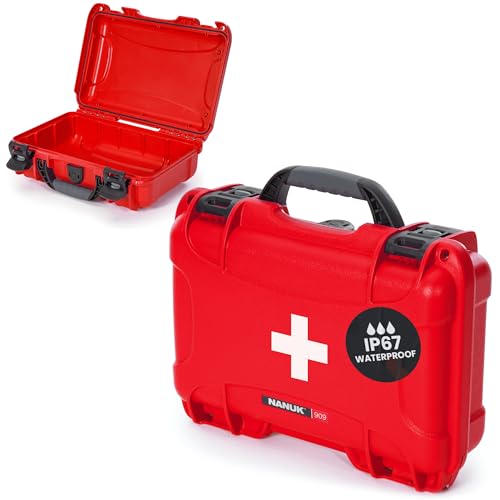
NANUK 909 Waterproof First Aid Box - 11.4" x 7.0" x 3.7" - Red
Nanuk
Mid-Range
Flexzion Vintage First Aid Kit - 13" Gray Metal Box
Flexzion
Mid-Range
Flexzion 13" Metal First Aid Box Organizer with Tray
Flexzion
Mid-Range
NANUK 910 Waterproof First Aid Box
Nanuk
Premium
Medical Bag with Detachable Divider for First Aid
Be-Better
Mid-Range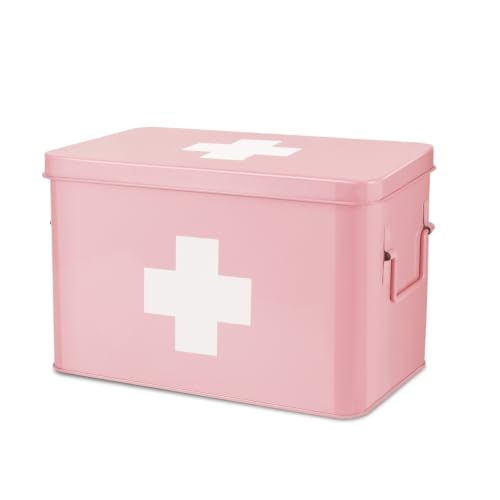
Flexzion Pink Metal First Aid Box Organizer 13"
Flexzion
Mid-Range
Medicine lock box with code, portable first aid box
Lockbako
Mid-Range
NANUK 920 Waterproof First Aid Box
Nanuk
Premium
Anti-choking device with 2 masks for kids and adults
+Guardian
Mid-RangeRoundups
Frequently Asked Questions
How do I choose the right first aid kit size for my needs?
Select a kit based on where and how it will be used: small portable kits for day trips or cars, medium kits for families or home use, and large or modular kits for workplaces or extended outdoor trips. Check the itemized contents and match them to common scenarios you expect to encounter (cuts, burns, allergic reactions, splints)
What essential items should a quality first aid kit include?
A useful kit typically includes adhesive bandages in multiple sizes, sterile gauze and tape, antiseptic wipes or solution, adhesive wound closures, gloves, a CPR face shield, scissors and tweezers, pain relievers, and a basic first aid manual. For specific needs add allergy medication (antihistamines or an epinephrine auto‑injector if prescribed), prescription meds, and any personal medical supplies
How much should I expect to spend on a reliable first aid kit?
First aid kits commonly range from budget options under $50 to more comprehensive or specialty kits above $100, with mid-range consumer kits often in the $40–$80 area. Choose based on contents, case durability, and whether the kit is intended for home, travel, workplace, or professional use
Are there workplace or regulatory standards I should consider?
Yes: many jurisdictions and industries require kits that meet specific workplace safety standards (for example OSHA-related guidance in the U.S.) or ANSI/ISEA first aid kit classifications. Verify regulatory requirements for your location and industry before selecting a kit for workplace use
How do I maintain and restock a first aid kit?
Inspect your kit periodically (at least twice a year), check expiration dates on medications and sterile items, replace used or expired supplies, and keep an updated inventory list. Store the kit in a dry, accessible location and ensure family or team members know its location and contents
What materials and case features should I look for?
Look for a durable, water‑resistant case with organized compartments or removable pouches for easy access and portability. Clear labeling, a carry handle or mounting option, and rugged construction (hard shell or heavy-duty fabric) improve usability in emergencies
Can first aid kits be customized for specific activities or medical needs?
Yes — many kits are modular or offer add‑ons so you can add supplies for activities like hiking, boating, or sports, and include prescription medications, allergy-specific items, or pediatric supplies. Customize based on the users’ ages, medical conditions, and the environment you expect to operate in