Fish Oil Nutritional Supplements
Fish oil nutritional supplements in Health & Wellness include EPA/DHA concentrates, triglyceride and ethyl ester formulations, and specialty blends (e.g., fermented or cod liver oil). This category spans budget to mid‑range pricing (about $32–$139, avg $50) across brands like Carlson, Wiley’s Finest, and Nature Made, and averages a 4.58 rating from 98 indexed products
Top Products
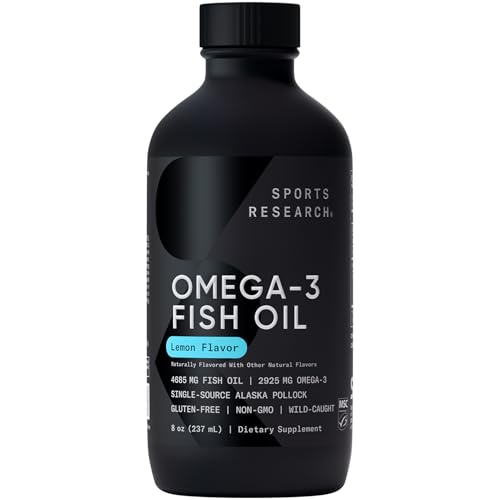
Omega-3 Fish Oil 4685mg - Alaska Pollock, lemon flavor
Sports Research
Mid-Range
Carlson Kid's Cod Liver Oil, Omega-3s, Vitamins A & D3, Wild Norwegian
Carlson
Budget
Dr. Tobias Omega 3 Fish Oil 2000mg triple strength
Dr. Tobias
Mid-Range
Nature's Bounty Fish Oil 1200 mg + 360 mg omega-3, 200 ct (2-pack)
Nature's Bounty
Mid-Range
Igennus Ultra Pure Omega 3 rTG Wild Fish Oil 1360mg
Igennus Healthcare Nutrition
Budget
Omega-3 Fish Oil 1250mg - Burpless, Triple Strength
Sports Research
Mid-Range
Nature Made Burp Less Fish Oil 1200 mg Softgels, 200 count
Nature Made
Budget
Nature Made Burp Less Fish Oil Omega 3, 1000 mg Softgels, 320 ct
Nature Made
Mid-Range
Barlean's Omega 3 Fish Oil Softgels, 600mg EPA/DHA, orange flavor, 250 count
Barlean's
Budget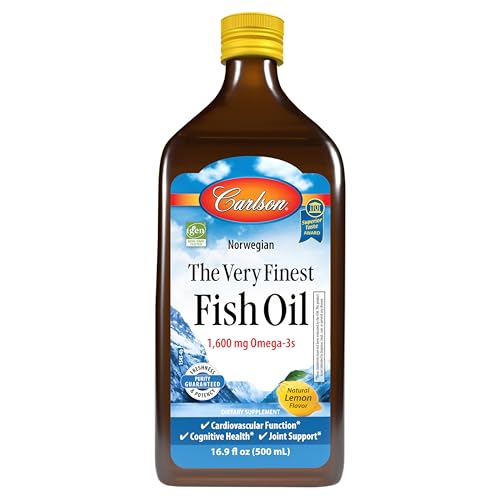
Carlson Wild-Caught Fish Oil 1600 mg Omega-3s, Lemon Liquid
Carlson
Mid-Range
Carlson Cod Liver Oil Gems 1000 mg, 250 softgels
Carlson
Mid-Range
Sports Research Omega-3 Fish Oil 1250mg (AK Pollock) - Burpless
Sports Research
Premium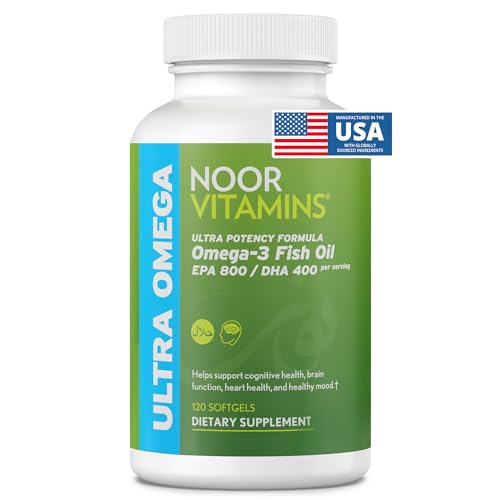
Noor Vitamins Halal Ultra Omega 3 Fish Oil
Noor Vitamins
Mid-Range
Kirkland Signature Natural Fish Oil Concentrate 400 Softgels (2 Pack)
KIRKLAND
Mid-Range
Carlson Norwegian Fish Oil 700 mg Omega-3s, Lemon, 150 Count
Carlson
Budget
MegaRed Advanced 6X Absorption Omega-3 Softgels
MegaRed
Budget
Wild Alaskan Fish Oil Peak EPA + DHA - 60 softgels
Wiley's Finest
Mid-Range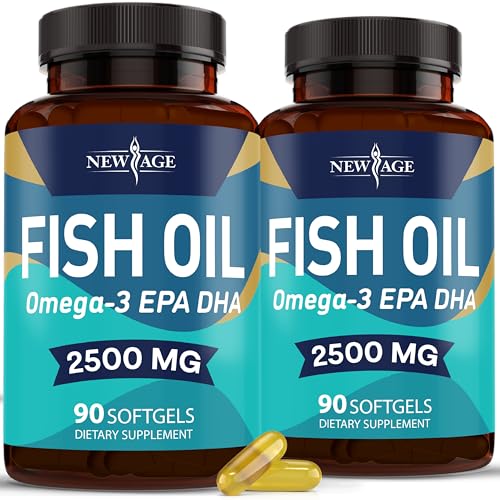
Omega 3 Fish Oil 2500mg + 180 Softgels (Pack of 2)
NEW AGE
Budget
EFA Complete Omega 3 6 9 blend with flax, fish, borage & evening primrose
Advanced Trichology
Budget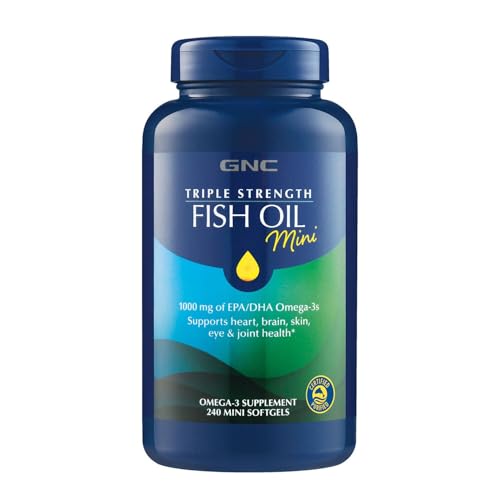
GNC Triple Strength Fish Oil Mini 1000mg EPA & DHA
GNC
Mid-Range
GNC Triple Strength Fish Oil Mini Omega-3 Supplement
GNC
Mid-Range
Fish Oil 120 softgels with Omega-3s (EPA 1700mg, DHA 690mg)
OMAPURE
Budget
Burp Less Omega 3 Fish Oil 1200 mg Softgels
Nature Made
Budget
Nordic Naturals Arctic Cod Liver Oil, Lemon - 180 Soft Gels
Nordic Naturals
Mid-RangeRoundups
- Best Fish Oil Nutritional Supplements for Joint Comfort Support (2026)
- Best Fish Oil Nutritional Supplements for Daily Omega-3 Supplementation (2026)
- Best Fish Oil Nutritional Supplements for Daily Heart Health Support (2026)
- Best Fish Oil Nutritional Supplements Under $200 (2026)
- Best Fish Oil Nutritional Supplements Under $100 (2026)
- Best Fish Oil Nutritional Supplements Under $50 (2026)
- Best Fish Oil Nutritional Supplements (2026 Guide)
Frequently Asked Questions
How do I choose the right fish oil supplement for my needs?
Compare EPA and DHA content per serving (higher combined EPA+DHA for cardiovascular and cognitive support), choose a form you tolerate (triglyceride/ethyl ester/re-esterified), check purity testing (third-party certificates for heavy metals and PCBs), and match dosage to your health goals or practitioner guidance
What daily dose of EPA and DHA is recommended for general health?
Most guidelines recommend 250–1000 mg combined EPA+DHA per day for general adult health; higher therapeutic doses are sometimes used under medical supervision for specific conditions like high triglycerides
Are there safety concerns or interactions I should know about before taking fish oil?
Fish oil can increase bleeding risk at high doses and may interact with blood thinners, certain blood pressure medications, and some supplements; people with fish or shellfish allergies, planned surgery, or on anticoagulants should consult a healthcare professional before use
What are the differences between liquid, softgel, and enteric-coated fish oil products?
Liquid forms often provide higher concentration per dose and easier dose adjustment, softgels are convenient and reduce taste/aftertaste, and enteric-coated capsules can help minimize fishy burps by releasing oil in the intestine rather than the stomach
How can I tell if a fish oil supplement is high quality and fresh?
Look for third-party testing (e.g., for purity and oxidation), check expiration dates and storage instructions, prefer low peroxide/anisidine values if reported, and choose products with antioxidants like vitamin E or those packaged to limit light and air exposure
Is plant-based omega-3 (ALA) equivalent to fish-derived EPA/DHA?
No; plant-based ALA (from flax, chia, etc.) must be converted in the body to EPA and DHA at a low rate, so direct EPA/DHA from fish oil or algal oil is more efficient for increasing those long-chain omega-3 levels
What price range should I expect for fish oil supplements and how do I balance cost and value?
Prices commonly range from budget options under $20 to premium formulas over $100, with the average around $50; assess value by EPA+DHA per serving, third-party testing, and formulation (concentrated or specialty blends) rather than price alone