Food Coloring
This Food Coloring category covers liquid, gel, and powdered colorants used in baking, beverage, and health-conscious cooking applications, including natural and allergen-friendly formulations. It indexes 37 products with average ratings around 4.46 and mid-range to premium pricing (about $32–$140), featuring brands like Colour Mill and AmeriColor
Top Products

Food Coloring Gels AmeriColor Student Kit 12 x .75 oz
AmeriColor
Budget
AmeriColor Food Coloring Student Kit 2 (12 x .75 oz)
AmeriColor
Budget
Colour Mill Oil-Based Food Coloring - 20ml
Colour Mill
Mid-Range
AmeriColor Student Kit: 12 Soft Gel Paste Colors, 0.75 oz each
AmeriColor
Budget
Colour Mill oil-based food coloring – botanical pack (20 ml)
Colour Mill
Mid-Range
Colour Mill oil-based food coloring (20 ml) Outback Pack
Colour Mill
Mid-Range
Colour Mill oil-based food coloring set (6 x 20ml) — assorted colors
Colour Mill
Mid-Range
Colour Mill oil-based food coloring, fairytale pack
Colour Mill
Mid-Range
Colour Mill Oil-Based Food Coloring – Pastel Pack (20 ml)
Colour Mill
Mid-Range
Gel Food Coloring Set - 24 Colors, Edible Gel Dyes for Baking
Pandalab
Mid-Range
Colour Mill oil-based food coloring, 20 ml (Pool Party Pack)
Colour Mill
Mid-Range
Colour Mill Bridal Pack oil-based food color
Colour Mill
Mid-Range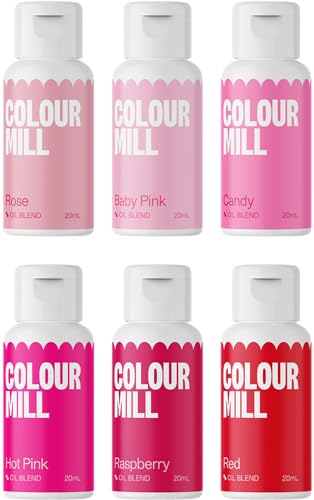
Colour Mill oil-based food coloring set – 20 ml (assorted pinks)
Colour Mill
Mid-Range
McCormick Culinary Red Food Coloring, 32 fl oz (Pack of 6)
McCormick Culinary
Premium
McCormick Culinary Blue Food Coloring (6x16 fl oz)
McCormick Culinary
Mid-Range
Suncore Foods Pink Pitaya Powder – pink color powder (2 pack)
Suncore Foods
Mid-Range
Colour Mill oil-based food coloring, 20ml
Colour Mill
Premium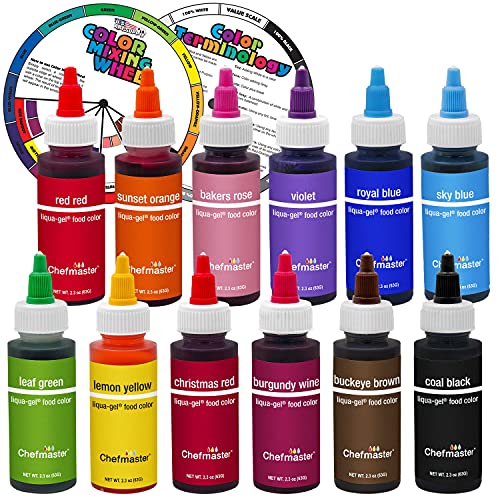
Liqua-Gel Cake Food Coloring Variety Pack with Color Mixing Wheel
U.S. Cake Supply
Mid-Range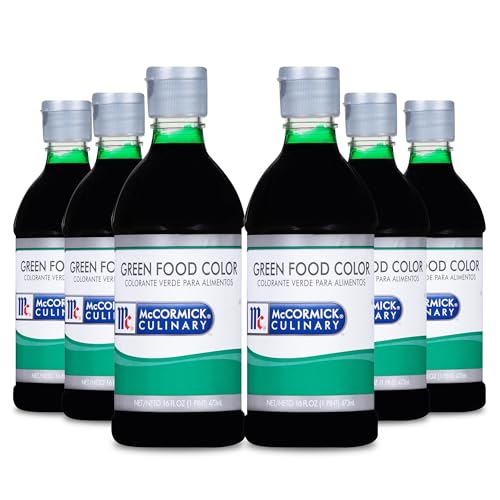
McCormick Culinary Green Food Coloring - 16 fl oz (pack of 6)
McCormick Culinary
Premium
Food coloring powder, 18 colors for baking, 4g/bottle
Muloen
Budget
U.S. Cake Supply Large 2 oz Liquid Candy Food Color Kit
U.S. Cake Supply
Mid-Range
Sweet Sticks Edible Art Decorative Cake Paint (0.5 oz) 8 Metallic Colors
SWEET STICKS
Premium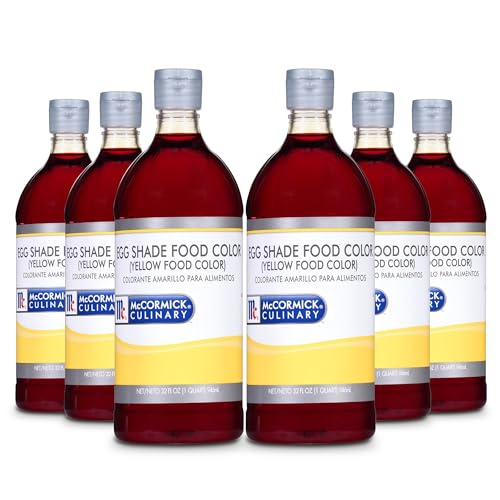
McCormick Culinary Egg Shade Yellow Food Color, 32 fl oz (Pack of 6)
McCormick Culinary
Premium
Sweet Sticks Edible Art Decorative Cake Paint 0.5 oz 8-metallic colors set
SWEET STICKS
PremiumRoundups
- Best Food Coloring for Cake Batter Tinting (2026)
- Best Food Coloring for Fondant Coloring (2026)
- Best Food Coloring for Swiss Meringue (2026)
- Best Food Coloring for Swiss Meringue Coloring (2026)
- Best Food Coloring for Baking Projects (2026)
- Best Food Coloring for Cake Batter Coloring (2026)
- Best Food Coloring for Chocolate Coloring (2026)
- Best Food Coloring Under $200 (2026)
- Best Food Coloring Under $100 (2026)
- Best Food Coloring Under $50 (2026)
- Best Food Coloring (2026 Guide)
Frequently Asked Questions
How do I choose between gel, paste, liquid, and powdered food coloring for health-focused baking?
Choose gel or paste for concentrated color with minimal liquid addition (good for frostings and fondant), powdered for dry mixes or when avoiding added moisture, and liquid for beverages or recipes where extra liquid is acceptable; check ingredient lists for additives and preferred dye types (natural vs. synthetic)
Are there healthier or natural food coloring options and how do they compare?
Natural options use plant- or mineral-derived pigments like beet, turmeric, spirulina, or paprika; they generally have milder hues and can be less stable than synthetic dyes, so expect subtler colors and possible flavor or pH sensitivity in some recipes
What should I look for on labels if I have allergies or dietary restrictions?
Look for clear allergen statements, non-GMO or organic certifications if required, and check for common allergens or carriers such as gluten, dairy, soy, or sulfites; also verify kosher/halal status and whether the colorant is free from animal-derived ingredients
How much food coloring do I need and how does price typically scale?
Amount depends on concentration—gel and paste are more concentrated so use drops or teaspoons, while liquids require more; in this category prices vary, with many options averaging around the mid-range price point and budget options available under $50 for multi-pack or bulk sizes
Will food coloring affect taste, texture, or shelf life of my recipes?
Most concentrated gels and powders add negligible flavor and minimal moisture, but large amounts of liquid color can change texture; natural colorants may impart subtle flavors and can be less shelf-stable or fade faster than synthetic dyes
How should I store food coloring to maintain quality?
Store in a cool, dry place away from direct sunlight, tightly sealed to prevent drying or contamination; refrigerate natural or preservative-free formulations if the manufacturer recommends it
Are there safety or regulatory considerations I should know about?
Food colorants sold for culinary use are subject to food-safety regulations in many regions; for specific concerns, check ingredient lists for certified food-grade status and consult local regulatory guidance if you need compliance details for commercial food production