Hearing Aids
This category covers personal hearing aids and assistive listening devices for mild to moderate hearing loss, including rechargeable, Bluetooth-capable, and in-ear styles. It indexes 23 products across budget through mid-range prices (average ~(price varies)) and features brands like Vivtone
Top Products

OTC Hearing Aids for Seniors by Wuvee
Wuvee
Premium
TTQ OTC Hearing Aids with Bluetooth, Noise Reduction
TTQ
Premium
Audien Atom One OTC Hearing Aids – Wireless, Rechargeable
Audien Hearing
Premium
Rechargeable Hearing Aids with Noise Reduction andCompact Design
Flaygo
Premium
Hearing Aids with Bluetooth, Noise Cancellation, and Volume Control
WASOCA
Premium
Rechargeable hearing aids with noise reduction and ultra-compact design
Flaygo
Premium
Invisible hearing aids with crystal sound, beiges
BIBIED
Premium
Hearing Aids for Seniors with Noise Cancellation
URORU
Mid-Range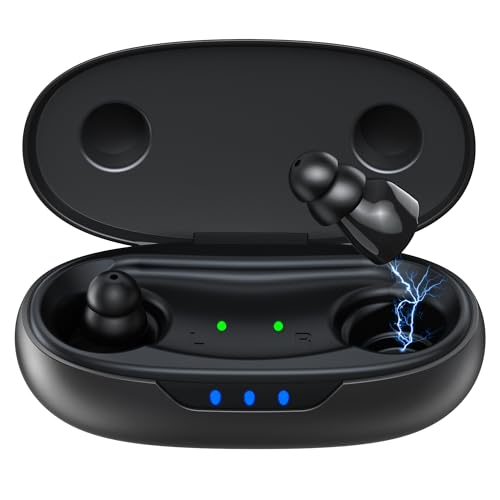
Supermini Hearing Aids with 16-channel DSP, Rechargeable Case
NVBOTY
Premium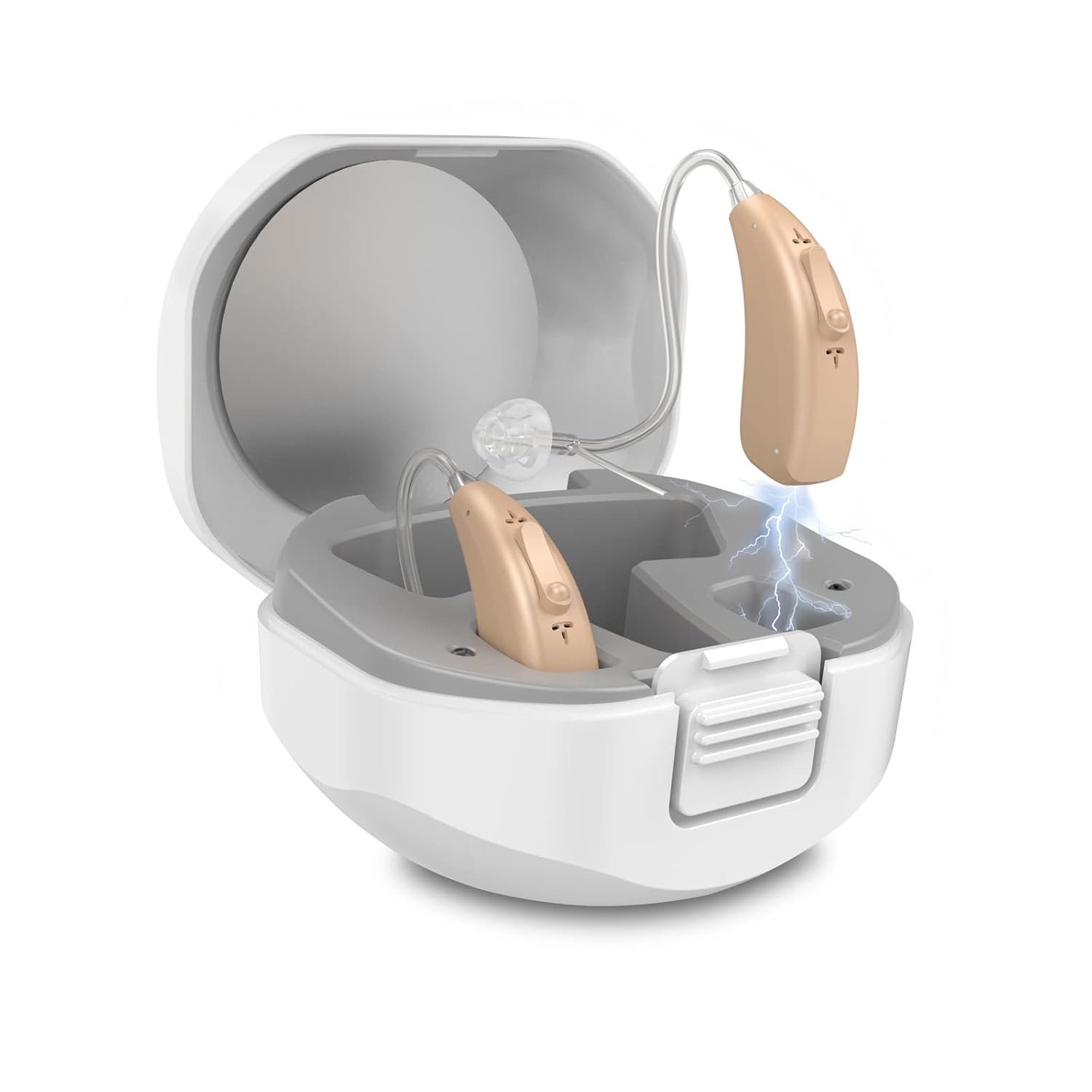
Rechargeable Hearing Aids for Seniors with Noise Reduction
Earrck
Premium
Hearing Aids for Seniors, Rechargeable, 2 Modes
Obgnsai
Premium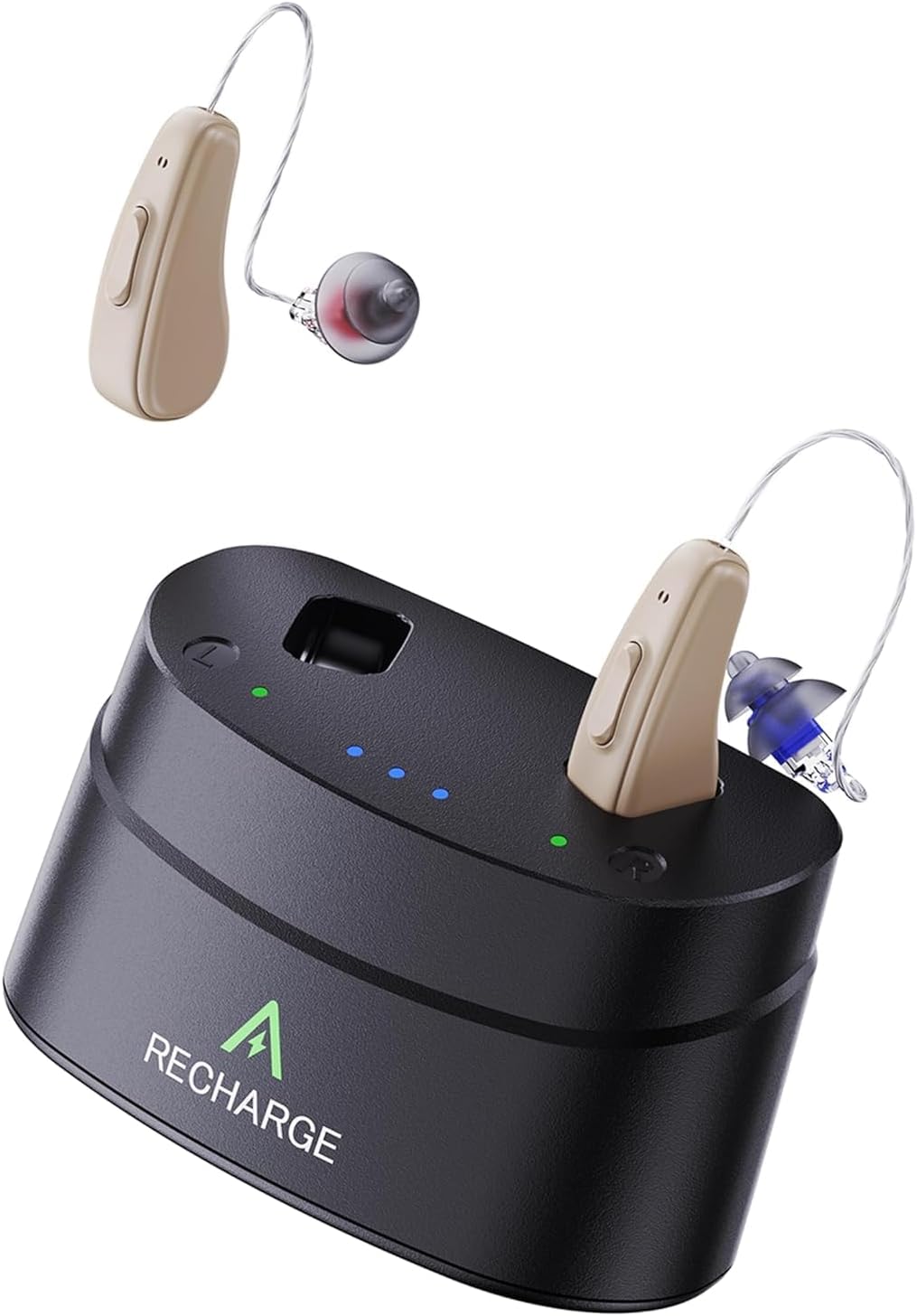
RIC hearing aids for seniors – rechargeable receiver-in-canal
Aimsumy
Premium
NFT Hearing Aids for Seniors with 16-channel DSP, rechargeable
NVBOTY
Premium
Hearing Aids by Vivtone with 16-channel processing
Vivtone
Premium
Hearing Aids - Invisible Rechargeable Digital with 16-Channel Noise Reduction
TOMORE MEDICAL (SHENZHEN) CO., LTD
Premium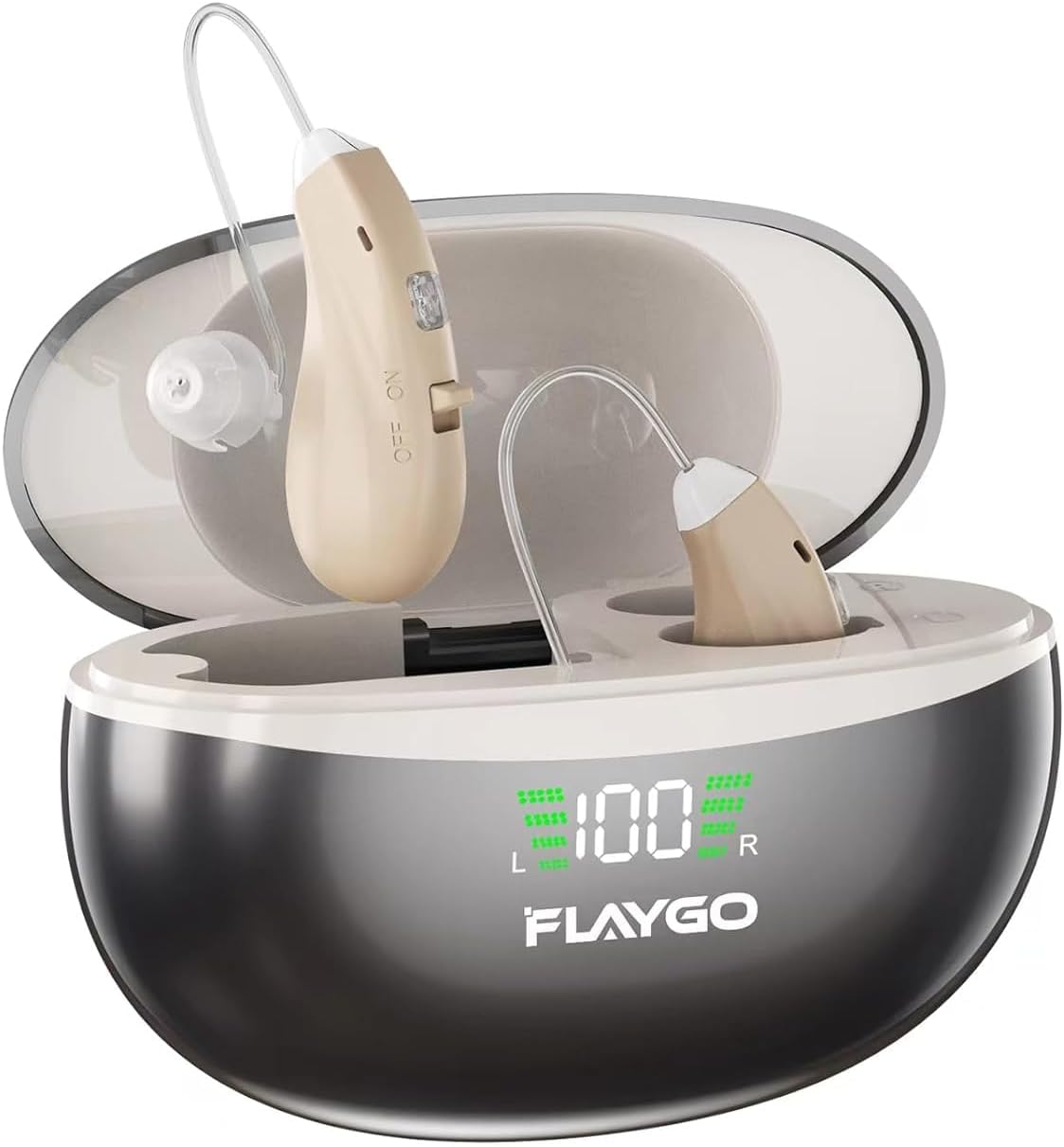
Rechargeable 16-channel digital OTC hearing aid
Flaygo
Premium
Rechargeable hearing aids for seniors - Vivtone Lucid508 beige
Vivtone
Premium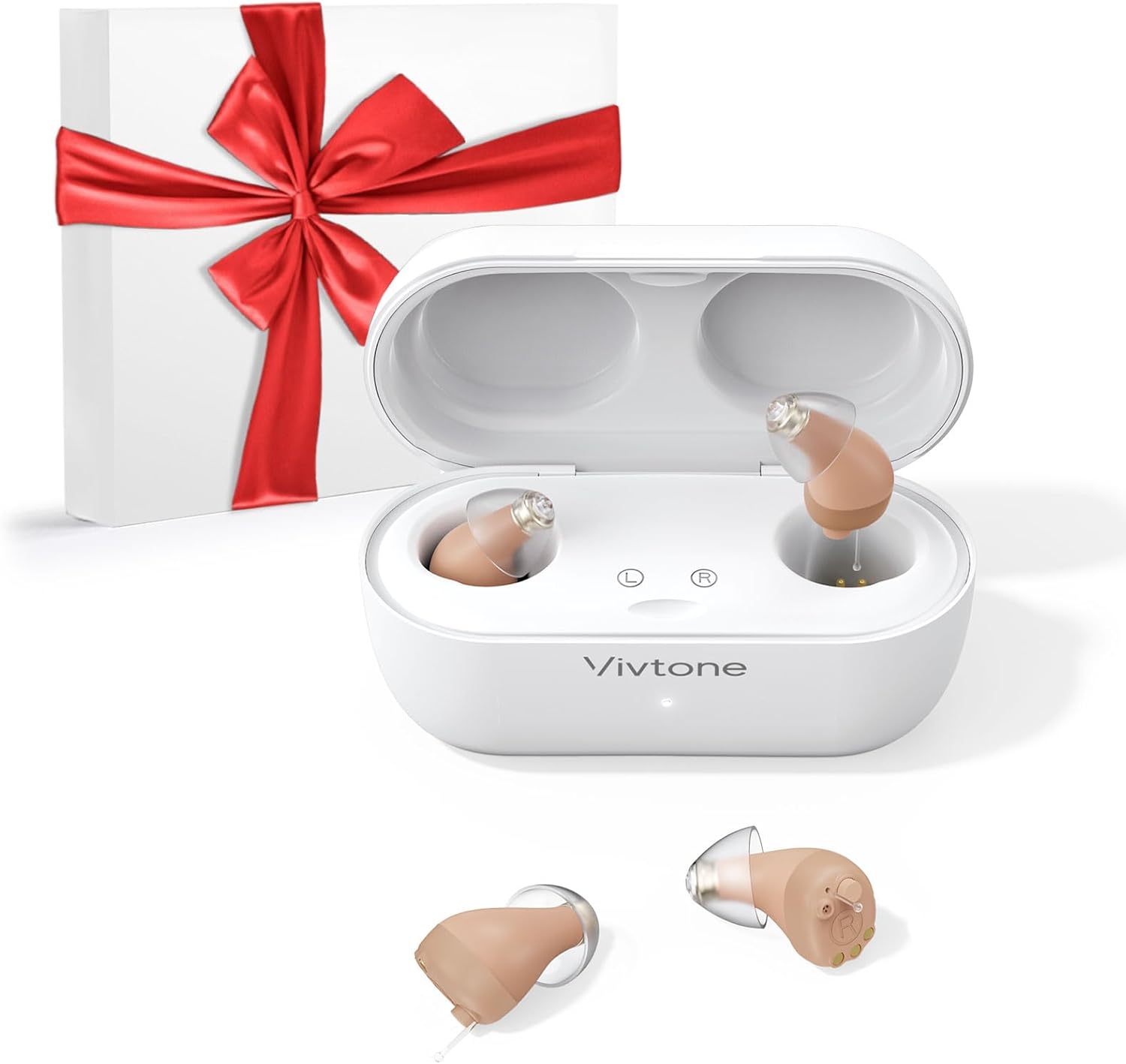
Supermini Rechargeable Digital Hearing Aids
Vivtone
Premium
ELEHEAR Beyond Hearing Aids with AI Noise Cancellation
ELEHEAR
Premium
ELEHEAR Beyond BT 5.3 AI hearing aid for mild-moderate loss
ELEHEAR
Premium
Bluetooth hearing aids with app control and rechargeable battery
Vivtone
Premium
Bluetooth Hearing Aids with APP Control and Rechargeable Battery
Vivtone
Premium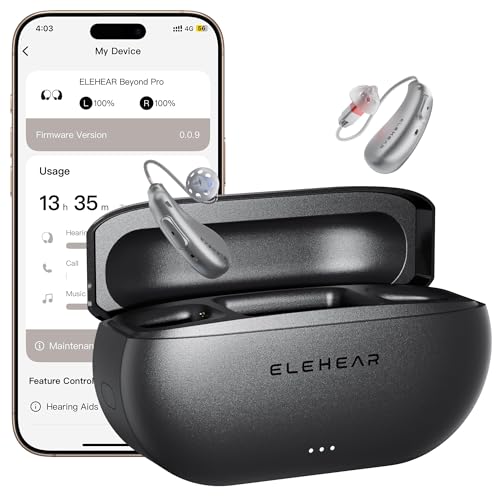
ELEHEAR Beyond Pro Hearing Aids with VocClear 2.0
ELEHEAR
PremiumRoundups
Frequently Asked Questions
How do I choose the right type of hearing aid for my level of hearing loss?
Match device style and power to your hearing test: in-the-ear (ITE) and behind-the-ear (BTE) models suit mild to profound loss respectively, while receiver-in-canal (RIC) balances discreteness and amplification; consult an audiogram or hearing professional for the correct amplification profile (gain, frequency shaping)
What features should I prioritize when comparing hearing aids?
Prioritize features based on lifestyle: directional microphones and noise reduction for noisy environments, feedback cancellation for stability, rechargeable batteries for convenience, Bluetooth for streaming and calls, and programmability or multiple listening programs for varied situations
How much do hearing aids typically cost and what affects price?
Hearing aids commonly range from lower-cost personal amplifiers under $100 to advanced devices several hundred dollars and up; price depends on features (digital processing, Bluetooth, rechargeability), fit type (custom shell vs. generic), and included services like professional fitting and follow-up adjustments
What should I know about batteries and charging options?
Options include disposable zinc-air batteries and built-in rechargeable batteries; disposables require periodic replacement (typically days to weeks depending on use), while rechargeables offer overnight charging and consistent daily life but may reduce runtime as the battery ages
How do I maintain and clean hearing aids to ensure longevity?
Clean daily with a soft, dry cloth and remove earwax from openings with a brush or wax pick provided; keep devices dry, store in a protective case, replace wax guards as recommended, and schedule regular professional checks for deeper cleaning and performance checks
Can I try hearing aids before committing and what about returns or adjustments?
Many sellers and professionals offer trial periods and adjustment services; confirm trial length, return policy, and availability of follow-up programming or fitting adjustments before purchase to ensure proper comfort and performance
When should I see a hearing professional instead of buying over-the-counter devices?
See an audiologist if you have sudden hearing loss, asymmetric loss, pain or discharge, balance issues, or when you need a precise diagnostic evaluation and custom fitting for moderate to severe loss; over-the-counter devices may suit mild, stable loss but do not replace professional assessment