Hearing Amplifiers
Hearing Amplifiers include personal wearable devices and accessories designed to boost ambient sound for mild hearing difficulties, conversation, and TV listening. The category spans budget through premium options (roughly $35–$371, average ~(price varies)) with 55 products and an average rating of 4.68; brands include Earrck among others
Top Products

CIS Hearing Aids Miniature In-Ear Amplifier with Noise-Cancelling
CIS
Mid-Range
PUMWHIP Hearing Aids with Noise Reduction
PUMWHIP
Premium
Hearing Aids – Wireless Rechargeable OTC 2-Channel Digital In-Ear
CIS
Premium
Hearing Aids for Seniors with Noise Reduction and Volume Control
MEIMOUSE
Mid-Range
SE5000 PSAP hearing amplifier for seniors
SuperEar
Mid-Range
Hearing aids for seniors with noise reduction, 16-channel chip
Flaygo
Premium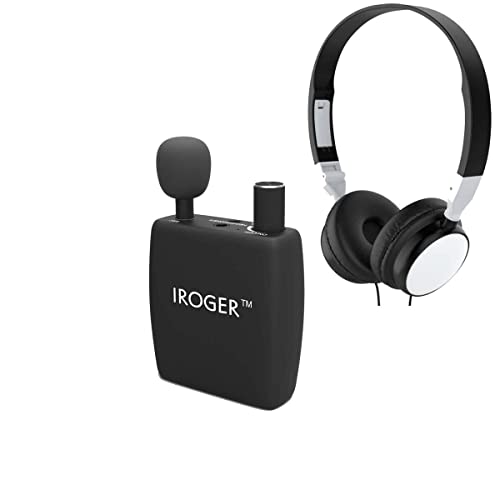
Hearing Amplifier Rechargeable Device with Directional Mic
IROGER
Premium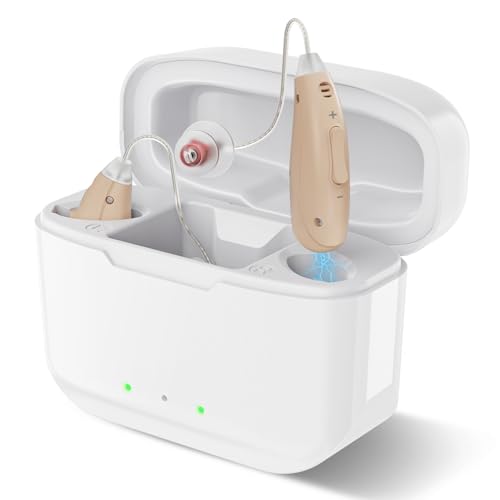
OTC Hearing Aids for Seniors (Rechargeable) Behind-the-Ear 2025
Wuvee
Premium
Hearing Aids for Seniors - Rechargeable with Noise Cancellation
URORU
Mid-Range
EarCentric rechargeable behind-the-ear hearing aids (pair) beige
Ear Centric
Premium
Rechargeable hearing aid with noise cancellation, adjustable volume
CONNOVA
Budget
Nano hearing aids with charging case, beige
SATIBROT
Premium
EarCentric Rechargeable Hearing Aids (Light Beige) – Pair
Ear Centric
Premium
32-channel rechargeables OTC hearing aids with charging case
Cscoei
Premium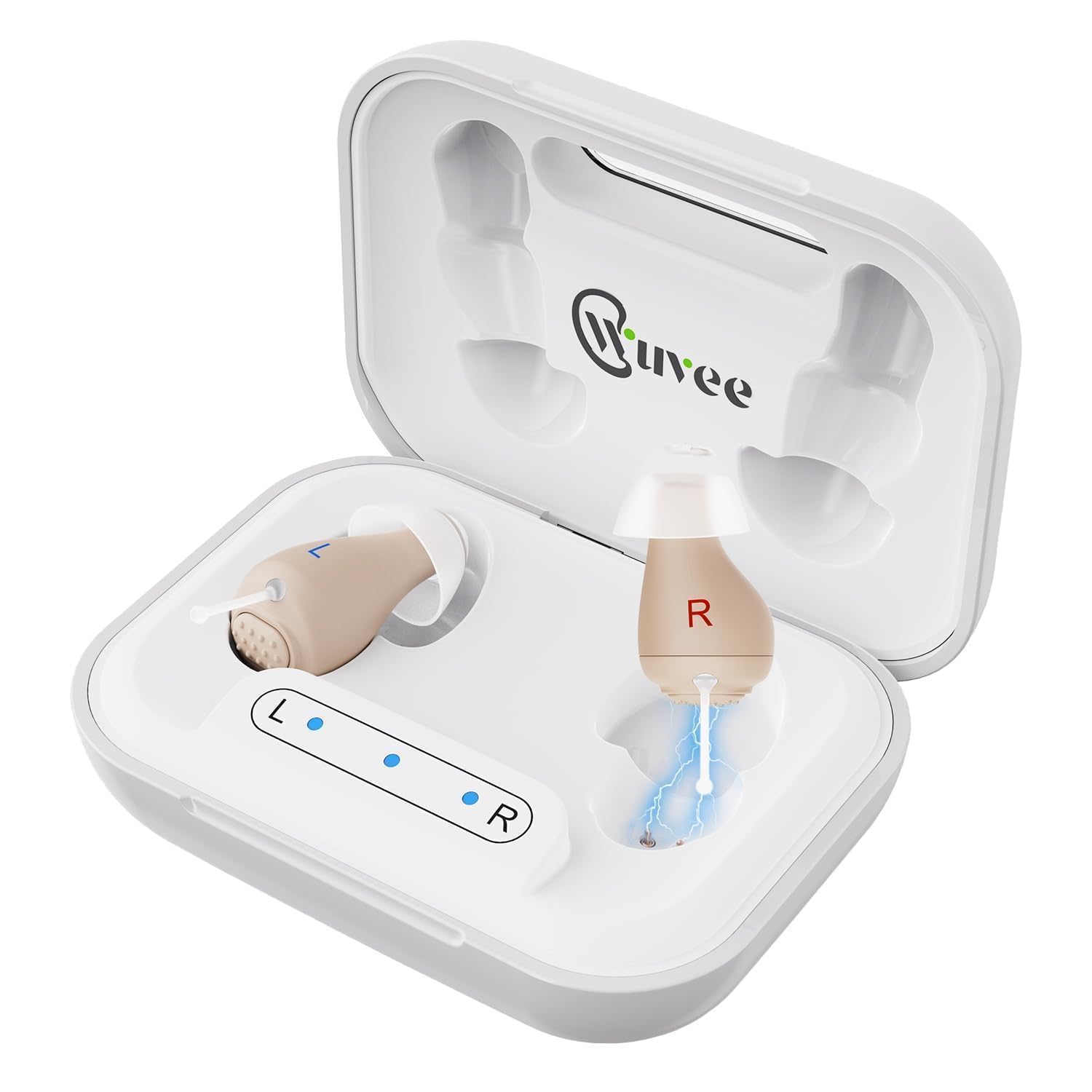
OTC hearing aids for seniors with noise cancellation
Wuvee
Premium
SE7500 Hearing Amplifier for Seniors
SuperEar
Premium
Hearing Aids with Charging Case
Fangool
Budget
Hearing Aids for Seniors with Rechargeable Case
AFFLAT
Budget
Hearing Aids with Rechargeable, Noise Cancelling, In-Ear Design
Homultuin
Mid-Range
Hearing Aids With Bluetooth, 16 Channel Rechargeable Mini Hearing Aids
GOMILI
Premium
Hearing Aids with Bluetooth, Rechargeable, 5-Level Volume - TTQ
TTQ
Premium
Hearing Aids Rechargeable with Noise Canceling, Lightweight BTE Amplifiers
Bigprot
Premium
Hearing Aids for Seniors – Rechargeable Behind-the-Ear Amplifier
MEIMOUSE
Mid-Range
Hearing Aids with Bluetooth, Rechargeable, APP control (5-level volume, noise cancel) WASOCA
WASOCA
PremiumRoundups
Frequently Asked Questions
How do I choose the right hearing amplifier for my level of hearing loss?
Match device features to your needs: mild-to-moderate loss can often be helped by over-the-counter amplifiers with adjustable volume and directional microphones, while more severe loss may require professional evaluation and prescription hearing aids. Look for devices with gain control, noise reduction, and a return/exchange policy if you’re unsure
What features should I prioritize when comparing models?
Prioritize sound quality features such as directional microphones, digital noise reduction, multiple listening modes, and adjustable gain; also consider battery type (rechargeable vs. disposable), comfort/fit (custom tips or multiple sizes), and connectivity (Bluetooth for phone audio if needed)
How much should I expect to pay for a reliable hearing amplifier?
Hearing amplifiers are available across a wide range; many budget options are under $50, mid-range consumer devices commonly fall between $50 and $250, and feature-rich models can be higher—average prices in this category tend to be in the low hundreds
Are hearing amplifiers safe to use without seeing a hearing professional?
Over-the-counter hearing amplifiers can be safe for adults with perceived mild-to-moderate hearing difficulty, but you should consult a hearing professional if you have sudden hearing loss, pain, ear discharge, asymmetrical hearing, or medical conditions; professionals can rule out underlying issues and recommend appropriate amplification
How do I maintain and clean a hearing amplifier to extend its life?
Regularly clean ear tips and microphone openings with a soft, dry cloth or brush, keep devices dry and stored in a protective case, follow manufacturer guidance for battery charging and replacement, and avoid exposure to moisture and extreme temperatures
What questions should I ask about fit and comfort before buying?
Ask whether the amplifier includes multiple ear tip sizes or molds, the device’s weight and size, if it sits in or behind the ear, and whether there are adjustable settings for fit and feedback reduction to ensure comfort during extended wear
How can I test performance before committing to a purchase?
Look for sellers that offer trial periods or clear return policies, test devices in common noisy environments (restaurants, street noise), evaluate clarity of speech and feedback at different volumes, and try phone call audio if Bluetooth is used