Household Cleaning Brushes
Household cleaning brushes for health and wellness include toilet, shower, grout, and multi-surface brushes designed to reduce microbial buildup and improve hygiene, with mid-range to premium pricing (avg $57). The category features 54 indexed products averaging 4.45 stars and brands like iezfix among top sellers
Top Products

Dustpan bench woodworking brush with horsehair
Old City Unltd.
Budget
Electric Spin Scrubber with 8-in-1 brush set
JCHOPE
Mid-Range
Midwest Hearth 8-Inch Wire Chimney Cleaning Brush
Midwest Hearth
Budget
Electric spin scrubber for bathroom cleaning
Highyes
Mid-Range
Dovety Cordless Spin Scrubber with 8 Brush Heads
Dovety
Mid-Range
TUYU electric spin scrubber for full-body cleaning
TUYU
Mid-Range
Electric spin scrubber with 8 brush heads
Bomves
Mid-Range
Electric Spin Scrubber with 4 brush heads
iezfix
Budget
Electric Spin Scrubber with 4 replaceable heads
iezfix
Budget
Electric Spin Scrubber for Cleaning Bathroom
ONEJOY
Mid-Range
LyriFine electric spin scrubber with long handle
LyriFine
Mid-Range
AIR U+ 2-pack Floor Scrub Brush with 360° head
AIR U+
Budget
Electric spin scrubber with adjustable handle and 8 heads
TUYU
Mid-Range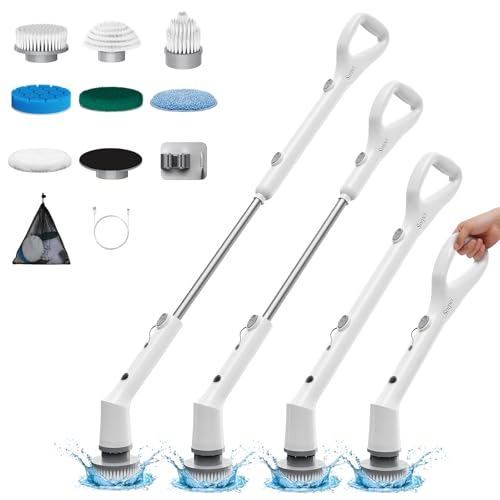
Electric spin scrubber with 7 replaceable heads and adjustable handle
Sorpci
Mid-Range
KOKL Disposable Toilet Bowl Wand Refills – 100 Count
KOKL
Budget
Electric Spin Scrubber with 4 replaceable brush heads
iezfix
Mid-Range
Electric spin scrubber with 8 brush heads, cordless
Leebein
Mid-Range
kHelfer Electric Spin Scrubber with Extension Arm
kHelfer
Mid-Range
Electric spin scrubber with 4 heads and extension handle
keimi
Mid-Range
Electric Spin Scrubber for Cleaning Bathroom
ONEJOY
Mid-Range
Electric spin scrubber with 8 brush heads
YKYI
Mid-Range
Hsei 20 Pcs Dish Brush Set with 11in anti-slip handles
Hsei
Mid-Range
Electric Spin Scrubber Kh8 with Extension Arm
kHelfer
Premium
Electric Spin Scrubber with long detachable handle
VigorDay
Mid-RangeRoundups
Frequently Asked Questions
How do I choose the right household cleaning brush for health and wellness needs?
Select brushes based on surface and purpose (hard-bristled for grout, soft for skin or delicate surfaces), bristle material (natural vs. synthetic based on allergen risk and durability), handle ergonomics for comfort, and whether antimicrobial or washable components are important for hygiene
Are antimicrobial or silicone brushes better for reducing germs in the home?
Antimicrobial-treated bristles can inhibit microbial growth on the brush itself, while silicone brushes dry faster and resist mold; neither replaces proper cleaning and disinfection of surfaces, but both reduce maintenance and microbial buildup compared with untreated porous brushes
What should I expect to spend on a quality household cleaning brush for health-focused use?
Prices vary by design and material; budget basic brushes are typically under $25, mid-range ergonomic or specialty brushes commonly range from $25 to $75, and higher-end or multi-piece sets can cost more, with an average price for this category around $55
How do I clean and maintain cleaning brushes to keep them hygienic?
Rinse brushes after each use, shake off excess water, and air-dry bristles facing down or hanging to prevent moisture buildup; periodically deep-clean with hot soapy water, vinegar solution, or a diluted bleach soak per manufacturer guidance, and replace brushes when bristles are misshapen or retain odors
Which brush features improve safety and reduce strain during repeated cleaning?
Look for ergonomic, non-slip handles, angled heads that reduce wrist bending, lightweight materials, and options with extendable or long handles to avoid overreaching—these features lower the risk of strain during frequent or prolonged cleaning tasks
Can cleaning brushes cause allergies or skin irritation, and how can I minimize risk?
Allergic reactions can stem from natural bristles, latex-containing handles, or chemical treatments; choose synthetic, hypoallergenic materials, rinse or launder detachable parts, and avoid direct skin contact when using cleaners that contain irritants to minimize risk
Is it better to buy single-purpose brushes or multipurpose sets for a health-focused household?
Single-purpose brushes are often more effective and easier to sanitize for tasks like grout or body scrubbing, while multipurpose sets offer cost and storage benefits; prioritize task-specific hygiene needs when deciding between specialized tools and general sets