Household Plastic Wrap
Household plastic wrap options for food storage and prep, including disposable rolls and reusable wraps focused on health-conscious use. Ten indexed products average a 4.52 rating with mid-range to premium pricing (about $33–$135), and brands include Restaurantware and Bee's Wrap
Top Products

Bee's Wrap Vegan Beeswax Wraps 7-pack assorted
Bee's Wrap
Mid-Range
Bee's Wrap 7-pack Beeswax Wraps (2S, 2M, 2L, 1 Bread) Made in USA
Bee's Wrap
Mid-Range
KAMMAK 15" Plastic Wrap with Slide Cutter
KAMMAK
Budget
Stretch Tite Plastic Wrap with Slide Cutter (750 sq ft) – 11 7/8 in – Pack of 2
Braidz
Budget
Restaurantware 18 Inch Cling Wrap (2000 ft) with Slide-Cutter
Restaurantware
Mid-Range
18" x 2000' PVC wrap film with cutter box
Reynolds Wrap
Mid-Range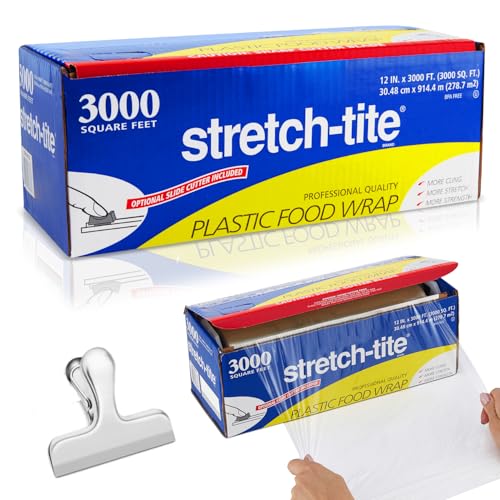
Stretch Tite Plastic Wrap with Slide Cutter, 3000 ft
Braidz
Mid-Range
PAMI 24x2000ft Clear Plastic Cling Wrap with Dispenser
PAMI
Mid-Range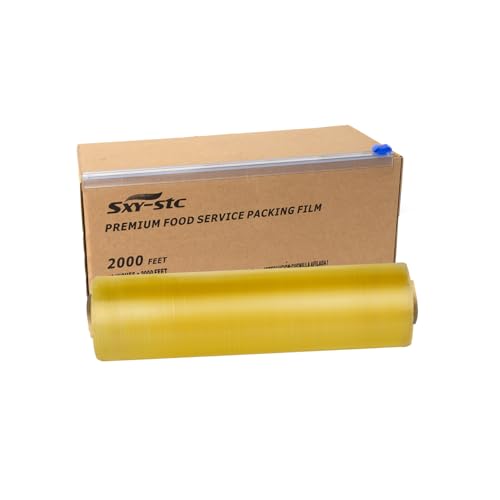
Plastic Food Wrap 12" x 4000 ft – 2 Pack
SXY-STC
Budget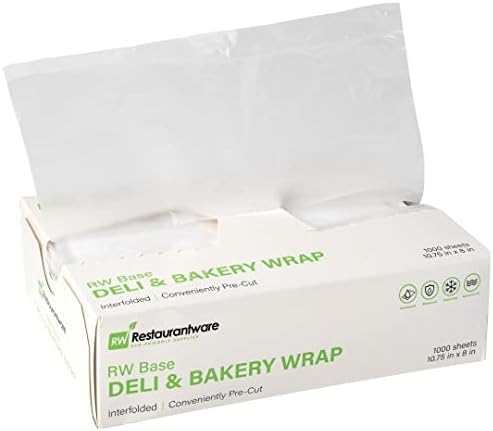
Restaurantware Interfolded Deli Sheets, 10.75 x 8 in, pre-cut (1000 sheets x 10)
Restaurantware
PremiumRoundups
Frequently Asked Questions
How do I choose the right type of household plastic wrap for food safety and health concerns?
Choose plastic wrap labeled food-safe or food-grade, preferably marked as PVC- or phthalate-free if you are concerned about additives; consider polyethylene (PE) or low-density polyethylene (LDPE) wraps for general use and look for microwave-safe labeling if you plan to microwave food while covered
What features should I look for when comparing plastic wrap brands?
Compare material composition (PE vs. PVC), cling strength, thickness (gauge or microns) for durability, clarity for visibility, roll width/length for your needs, and whether it is marketed as microwave-safe, freezer-safe, or compostable if those attributes matter
Are there health or environmental alternatives to conventional single-use plastic wrap?
Yes — reusable alternatives include silicone stretch lids, beeswax or plant-based wraps, and reusable food storage containers; for disposables, look for compostable or biodegradable wraps made from plant polymers, while noting compostability standards and local disposal options
How should I store and use plastic wrap to maintain food quality and prevent contamination?
Keep the roll in a cool, dry place away from direct sunlight, use a clean surface and hands when cutting and applying, seal tightly against the container to minimize air exposure, and label date and contents for perishable foods
Can I use plastic wrap in the microwave or freezer, and are there precautions?
Use plastic wrap labeled microwave-safe and avoid direct contact with high-fat or high-sugar foods that can reach higher temperatures; for freezing, choose wraps specified as freezer-safe or thicker gauge to reduce freezer burn and wrap tightly to exclude air
How do price and pack size typically vary for household plastic wrap products?
Household plastic wrap is commonly sold in single smaller rolls or value multipacks; budget options are often available under $25 while higher-capacity or specialty wraps can cost more, so compare cost per linear foot or meter to evaluate value
What are common care and disposal recommendations for plastic wrap?
If allowed by the manufacturer, clean gentle reusable wraps with mild soap and water; most single-use plastic wraps should be discarded with regular trash unless clearly labeled recyclable through local programs, and compostable wraps should go to industrial composting only if certified and accepted locally