Household Toilet Cleaners
Household toilet cleaners for health-conscious users, including solid tablets, concentrate refills, and spray or foaming formulations that target stains, odor, and microbes. The niche averages a 4.37 rating across 17 indexed products with mid-range pricing (about $35–$60) and brands like KIISIISO represented
Top Products

Kaboom Scrub Free Continuous Clean Toilet Refills (2-pack) 4 boxes
Kaboom
Mid-Range
Vacplus Toilet Bowl Cleaner Tablets 50 Pack
Vacplus
Budget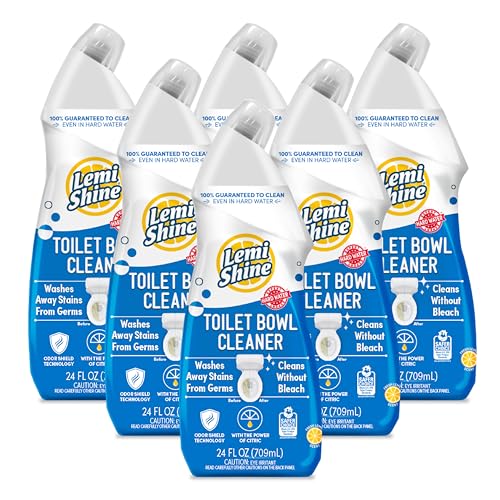
Lemi Shine Toilet Bowl Cleaner - 24 fl oz (6 pack)
Lemi Shine
Mid-Range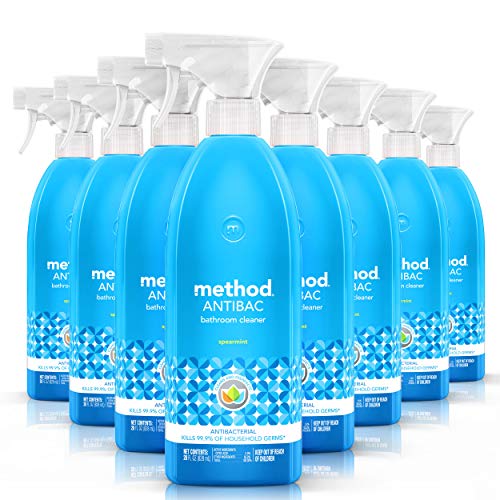
Method antibacterial bathroom cleaner spearmint (8 x 28oz)
Method
Mid-Range
Vacplus automatic toilet bowl cleaner tablets, 100-pack
Vacplus
Mid-Range
BLUELAND Toilet Bowl Cleaner Tablets 2-Pack Peppermint Eucalyptus
BLUELAND
Budget
Lysol Lime & Rust Toilet Bowl Cleaner Gel
Lysol
Mid-Range
The Works Toilet Bowl Cleaner (6) 6-pack
The Works
Mid-Range
Pumice Stone Toilet Bowl Cleaner (6-pack) with handle
PUMIE
Mid-Range
BLUELAND Toilet Bowl Cleaner Tablets 2-Pack – Lemon Cedar
BLUELAND
Budget
Caspeak 64-count toilet wand refills for Clorox wand
Caspeak
Mid-Range
Automatic toilet bowl cleaner tablets – blue gel, 60 tabs
Msvvko
Mid-Range
60 pcs toilet wand refills and gloves set
LYASILYHS
Budget
KIISIISO Toilet Bowl Cleaner Tablets 80 Pack
KIISIISO
Budget
Vacplus Toilet Bowl Cleaner Tablets 100 Pack
Vacplus
Mid-Range
KIISIISO Ultra Clean Toilet Tablets – White & Blue (60 pack)
KIISIISO
Budget
Kiisiiso Toilet Bowl Cleaner Tablets 100 Pack
KIISIISO
Mid-RangeRoundups
Frequently Asked Questions
How do I choose the right toilet cleaner for health and wellness concerns?
Look for cleaners that target germs and mineral buildup while matching your priorities: antimicrobial formulas for disinfection, enzymatic or probiotic formulas for odor and organic residue, and fragrance-free or hypoallergenic labels if you have sensitivities. Check active ingredients (bleach, hydrogen peroxide, citric acid, enzymes) and choose based on needed performance and any respiratory or skin sensitivities
Are natural or non-toxic toilet cleaners effective for disinfecting?
Many natural or non-toxic cleaners (vinegar, citric acid, hydrogen peroxide, enzyme-based) reduce stains and odors and can lower chemical exposure, but not all are EPA-registered disinfectants; for killing pathogens, look for products that explicitly list disinfecting claims or an EPA claim of efficacy
What product formats are available and how do they differ in convenience and performance?
Formats include liquids and gels for scrubbing, foams and sprays for quick application, tablets or in-tank/clip-on blocks for continuous dosing, and concentrates or refill pouches; liquids/gels often give the most control for deep cleaning, tablets provide ongoing maintenance, and concentrates reduce packaging waste and cost per use
How should I use toilet cleaners safely around kids, pets, and people with sensitivities?
Follow label instructions: ventilate the bathroom, avoid mixing products (especially bleach with acids), store cleaners out of reach, rinse surfaces when recommended, and choose fragrance-free or lower-volatile formulations if household members have asthma, allergies, or chemical sensitivities
What should I consider for budget and long-term cost?
Consider upfront price, concentration (how many uses per bottle or tablet lifespan), and refill options; higher-priced concentrates or refill packs can lower per-use cost, while single-use tablets or prefilled bottles may be more convenient but costlier over time
Do toilet cleaners damage plumbing, fixtures, or septic systems?
Most retail cleaners are formulated to be safe for standard porcelain and household plumbing when used as directed, but frequent use of strong acids, concentrated bleach, or heavy-duty descalers can harm seals, finishes, or septic bacteria; choose products labeled safe for septic systems if needed and follow dilution and disposal instructions
How do I store and dispose of toilet cleaner products responsibly?
Store in a cool, dry place away from direct heat and out of reach of children and pets, keep containers sealed, and follow label disposal instructions; empty containers can often be recycled according to local guidelines, while leftover hazardous concentrates should be handled per municipal hazardous-waste rules