Hyaluronic Acid Nutritional Supplements
Hyaluronic acid nutritional supplements in this Health & Wellness category include oral capsules, powders, and combined joint/skin formulas aimed at supporting hydration and joint comfort. The index lists 38 products with an average rating of 4.50 and mid-range pricing (roughly $33–$169), featuring brands like Vitauthority and Lubrisyn
Top Products

NatureBell Hyaluronic Acid 2 Pack with Vitamin C & Biotin
NatureBell
Mid-Range
Multi Collagen Burn with Hyaluronic Acid & Vitamin C
Vitauthority
Mid-Range
Hyaluronic Acid Supplements with Vitamin C, 360 capsules
Toniiq
Budget
Hyaluronic Acid Serum Powder – Low MW, cosmetic grade, vegan
Micro Ingredients
Mid-Range
Multi Collagen Burn: hydrolyzed protein peptides with hyaluronic acid
Vitauthority
Mid-Range
Biotin Collagen Keratin supplement for hair skin nails
NUTRAHARMONY
Mid-Range
Hyaluronic Acid 100 mg Capsules | Non-GMO, Gluten Free
Amazing Nutrition
Budget
Hydrolyzed Collagen Peptides Powder for Women – Vitauthority
Vitauthority
Mid-Range
Hydrolyzed Collagen Powder for Weight Loss - Multi Collagen Peptides
Vitauthority
Mid-Range
Vitauthority Collagen Peptides Powder - Hair Skin Nails (Chocolate)
Vitauthority
Mid-Range
Hyaluronic Acid 120 mg - Jarrow Formulas (120 Veggie Capsules) skin health
Jarrow Formulas
Mid-Range
Multi Collagen Burn: Hydrolyzed Protein Peptides with Hyaluronic Acid
Vitauthority
Mid-Range
19-in-1 Hyaluronic Acid Capsules 1200 mg with collagen peptides
ThrivyThystle
Mid-Range
HA Joint Formula with hyaluronic acid and collagen for joint health
Purity Products
Mid-Range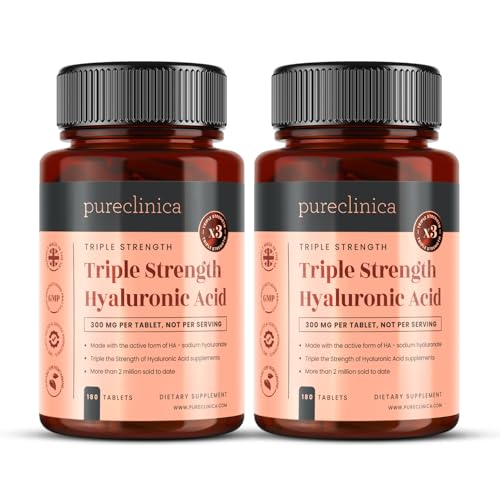
Hyaluronic Acid 300mg tablets (360 count, 2-bottle bundle)
pureclinica
Premium
Hyaluronic Acid supplement for skin & joints
Pure Encapsulations
Mid-Range
Hyaluronic Acid Powder (Sodium Hyaluronate) - BulkSupplements
BulkSupplements
Mid-Range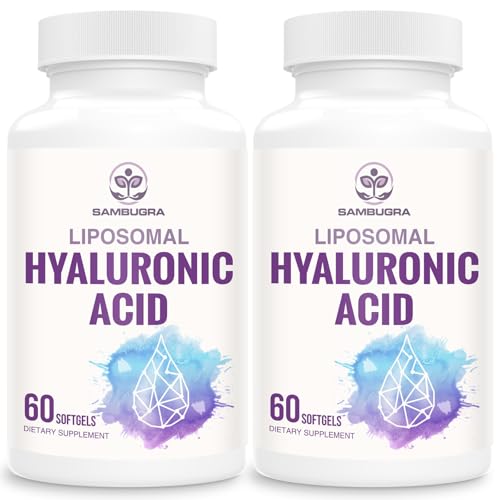
Liposomal Hyaluronic Acid 1000mg Capsules (120) - Sambugra
Sambugra
Mid-Range
BAXYL Liquid Hyaluronic Acid for Joint Relief
BAXYL
Mid-Range
LILYMOON Glutathione Skin Whitening Pills
LILYMOON
Budget
BAXYL Liquid Hyaluronic Acid for Joint Relief
BAXYL
Mid-Range
LubrisynHA Grape Flavor Joint Supplement - 11.5oz, vegan liquid hyaluronic acid
Lubrisyn
Mid-Range
Lubrisyn Human Original Joint Formula
Lubrisyn
Mid-Range
Liposomal Hyaluronic Acid 1000mg capsules (4-pack) 240 capsules
Sambugra
Mid-RangeRoundups
- Best Hyaluronic Acid Nutritional Supplements for Weight Management Support (2026)
- Best Hyaluronic Acid Nutritional Supplements for Joint Comfort And Mobility (2026)
- Best Hyaluronic Acid Nutritional Supplements Under $200 (2026)
- Best Hyaluronic Acid Nutritional Supplements Under $100 (2026)
- Best Hyaluronic Acid Nutritional Supplements Under $50 (2026)
- Best Hyaluronic Acid Nutritional Supplements (2026 Guide)
Frequently Asked Questions
What is hyaluronic acid supplementation used for?
Hyaluronic acid supplements are taken to support joint lubrication, skin hydration, and connective tissue health by providing a precursor that helps maintain moisture and viscoelasticity in tissues
How do I choose the right hyaluronic acid supplement?
Consider form (capsule, tablet, powder, or liquid), dose per serving (commonly 50–200 mg), presence of complementary ingredients (like collagen, vitamin C, or glucosamine), third‑party testing, and brand reputation based on reviews and ingredient transparency
What dose is effective and are there safety concerns?
Common supplemental doses range from about 50 to 200 mg daily; studies and product labels vary, so follow label directions and consult a healthcare provider if pregnant, breastfeeding, or taking anticoagulants or other medications; hyaluronic acid is generally well tolerated but can cause mild gastrointestinal symptoms or allergic reactions in some people
Can I take hyaluronic acid with other supplements or medications?
Hyaluronic acid is often combined with collagen, vitamin C, glucosamine, or MSM for joint and skin support and is usually safe to stack, but check with a clinician if you take blood thinners, immunosuppressants, or have chronic medical conditions to avoid interactions
How long does it take to notice benefits from supplements?
Some users report improvements in skin hydration or joint comfort within a few weeks, but measurable benefits often appear after 4–12 weeks of consistent daily use depending on dose and individual factors
Are there different molecular weights and do they matter?
Hyaluronic acid can be described by molecular weight; lower molecular weight forms may be better absorbed systemically, while higher weights tend to retain moisture locally; labels rarely standardize this, so look for products that disclose molecular weight if it matters to you
What should I look for in terms of quality and testing?
Choose products that list hyaluronic acid dose clearly, disclose additional ingredients, and ideally have third‑party testing or GMP compliance noted on the label to verify purity and absence of contaminants