Indian Seasonings
This category covers Indian seasonings and spice blends used for home cooking and wellness-focused recipes, including masalas, herbal mixes, and digestive spice blends. It indexes 21 products averaging 4.41 stars and mid-range pricing (about $34–$130, avg $51); notable brands include Pride Of India
Top Products

Rani Mild Curry Powder – 10-Spice Indian Blend, 80oz
Rani Brand Authentic Indian Products
Budget
Pride Of India Indian Biryani Masala 6-Pack 7 oz
Pride Of India
Mid-Range
Pride Of India Kitchari Spice Seasoning (Pack of 6)
Pride Of India
Mid-Range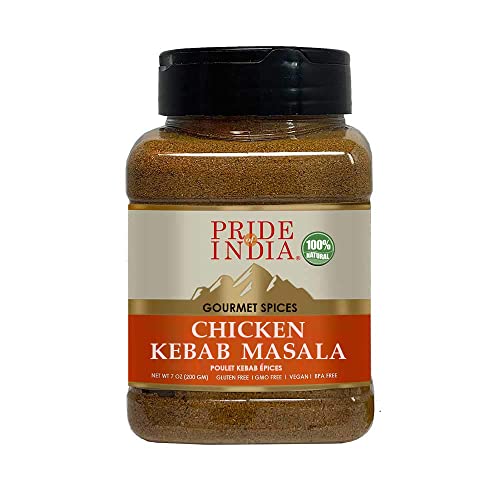
Pride of India Butter Chicken Kebab Seasoning (Pack of 6) – Gourmet Spice Blend
Pride Of India
Mid-Range
Pride of India Tandoori Grill Masala - 6 oz (170 g) Dual Sifter
Pride Of India
Mid-Range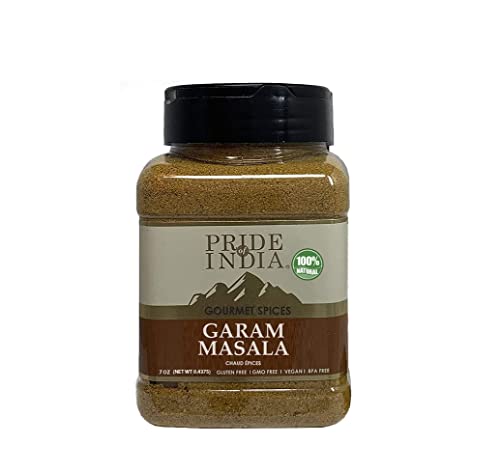
Garam Masala Ground - Pride of India (pack of 6, 6 oz each)
Pride Of India
Mid-Range
Pride of India Tikka Curry Masala - 6 pack, 8 oz each
Pride Of India
Mid-Range
Pride of India Lentil Soup Masala - Pack of 6
Pride Of India
Mid-Range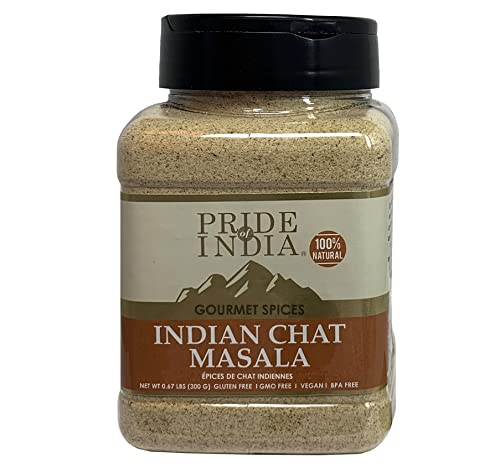
Pride of India Indian Chat Masala Seasoning (Pack of 6) 8oz Jar
Pride Of India
Mid-Range
Pride of India Turmeric Latte Spice Mix (Pack of 6, 7 oz each)
Pride Of India
Mid-Range
Pride of India Korma Meat Masala Mix - pack of 6, 7 oz
Pride Of India
Mid-Range
Sour Tamarind Pods - Fresh Whole Dried Tamarindo, 3 lb
NY Spice Shop
Budget
Sweet Tamarind Pods - Thailand tamarinds fruit, dried, 3 lb
NY Spice Shop
Mid-Range
Sour Tamarind Pods - Thai Tamarind Fruit, Fresh Whole Dried Snack
NY Spice Shop
Mid-Range
Shan Punjabi Yakhni Pilau Masala Mix, 50g ( pack of 24 )
Shan
Premium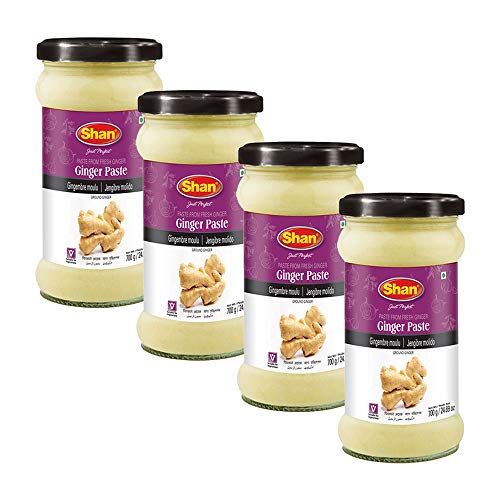
Shan Ginger Paste 24.69 oz (700g) - Fresh Ground Ginger in Glass Jar (Pack of 4)
Shan
Mid-Range
Rani Tamarind Powder (Imli) 240oz bulk
Rani Brand Authentic Indian Products
Premium
Sweet Tamarind Pods - Thailand Tamarinds Fruit, 5 lb
NY Spice Shop
Mid-Range
Shan Ginger Paste in Glass Jar, 10.93 oz, 6-pack
Shan
Mid-Range
Pride of India Green Cardamom Whole – Pack of 6 oz jar
Pride Of India
Mid-Range
Rani Kalonji Seeds (Nigella Sativa) 25lb Bulk Box
Rani Brand Authentic Indian Products
PremiumRoundups
Frequently Asked Questions
How do I choose the right Indian seasonings for health-focused cooking?
Pick seasonings based on flavor profile and functional benefits—turmeric and cumin for anti-inflammatory and digestion support, fenugreek and coriander for blood sugar and cholesterol management, and spice blends with minimal salt or sugar if you’re watching sodium or calories. Check ingredient lists for pure spices versus mixes with fillers or added salt, and choose organic or single-origin options if pesticide residues are a concern
Are there lower-sodium or reduced-salt Indian seasoning options?
Yes; many brands offer single spices (e.g., turmeric, cumin, coriander) which contain no added salt, and some spice blends are labeled low-sodium or salt-free—review ingredient lists and nutrition facts to compare sodium per serving
How should I store Indian spices and seasoning blends to preserve flavor and potency?
Store spices in airtight containers away from heat, light, and humidity—preferably in a cool, dark cupboard; whole spices last longer than ground (often 2–4 years vs. 6–12 months for ground), and labeling with purchase dates helps track freshness
What should I expect from prices and value in this category?
Products span from budget single-spice jars to premium organic or specialty blends; average price in this category is around $50, with many affordable options under $50 and higher-priced artisanal or certified products above that—compare weight, ingredient quality, and certifications to judge value
Do Indian seasoning blends contain allergens or additives I should watch for?
Read labels for common allergens like mustard, sesame, or nuts and for additives such as anti-caking agents, preservatives, or added sugar and salt; many products will list allergens on the packaging and some brands offer allergen-free or clean-label options
Can these seasonings be used in everyday Western cooking and how do I substitute them?
Yes—single spices like turmeric, cumin, coriander, and garam masala can be added to soups, roasted vegetables, marinades, and dressings; start with small amounts (1/4–1/2 teaspoon) and adjust to taste, and use spice blends as you would mixed seasoning or rubs
Are there certifications I should look for when choosing health-oriented Indian seasonings?
Consider certifications such as organic, non-GMO, fair trade, or third-party purity testing to ensure cultivation and processing standards; kosher or vegan labels may also be relevant depending on dietary needs