Indoor Bonsai
Indoor Bonsai in Health & Wellness covers small potted bonsai trees and basic care accessories for home use, with mid-range pricing averaging about (price varies). The 28 indexed products include offerings from brands like Brussel's Bonsai alongside generic and mass-market growers. Average customer rating across the category is 4.26
Top Products

Costa Farms Money Tree Live Plant – 12-16 in Indoor Bonsai
Costa Farms
Budget
Brussel's Bonsai Golden Gate Ficus Indoor Bonsai Tree
Brussel's Bonsai
Mid-Range
Bonsai Tree Kit – Grow 4 Mini Bonsai Trees for Adults
HOME GROWN
Mid-Range
Brussel's Bonsai Hawaiian Umbrella Bonsai Tree - Medium (6-10 in)
Brussel's Bonsai
Mid-Range
Brussel's Live Dwarf Hawaiian Umbrella Indoor Bonsai Tree
Brussel's Bonsai
Mid-Range
Brussel's Bonsai Chinese Elm Bonsai Tree Outdoor Medium 7 Years Old
Brussel's Bonsai
Mid-Range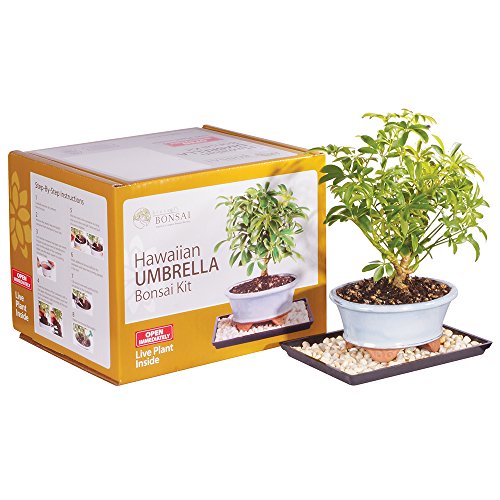
Brussel's Bonsai: Live Hawaiian Umbrella Indoor Bonsai Kit
Brussel's Bonsai
Mid-Range
Brussel's Bonsai Hawaiian Umbrella Indoor Bonsai Tree
Brussel's Bonsai
Mid-Range
Brussel's Live Hawaiian Umbrella Bonsai Tree (2 Pack) 5–8 in
Brussel's Bonsai
Mid-Range
Costa Farms Ponytail Palm Bonsai Indoor Plant
Costa Farms
Mid-Range
Costa Farms Bonsai Tree Kit – DIY Live Bonsai with Tools & Potting Mix
Costa Farms
Mid-Range
Brussel's Bonsai Ginseng Ficus Indoor Bonsai Kit
Brussel's Bonsai
Mid-Range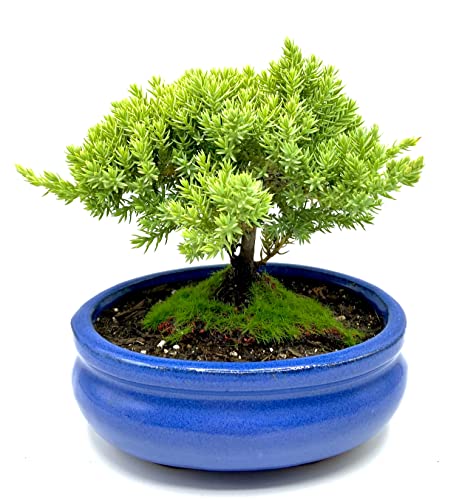
Live Dwarf Juniper Bonsai Tree – Indoor/Outdoor
Generic
Mid-Range
HOME GROWN Bonsai Tree Kit: 6 heirloom varieties & pots
HOME GROWN
Mid-Range
Brussel's Bonsai Ginseng Ficus Indoor Bonsai (Small, 4 Years)
Brussel's Bonsai
Budget
Brussels Bonsai Chinese Elm Live Bonsai Outdoor Tree
Brussel's Bonsai
Premium
Live Dwarf Juniper Bonsai with Ceramic Panda (4-5 yrs) Indoor/Outdoor
Generic
Mid-Range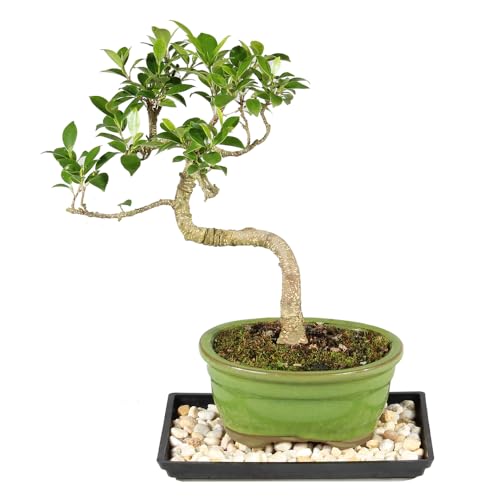
Brussel's Bonsai Golden Gate Ficus Indoor Bonsai Tree, Small 4 Years
Brussel's Bonsai
Mid-Range
Costa Farms Money Tree Live Plant in pot
Costa Farms
Premium
Live Dwarf Juniper Bonsai Tree: Indoor/Outdoor 7 Years
Generic
Premium
Brussel's Bonsai Fukien Tea Bonsai Tree, 6"-10" indoor
Brussel's Bonsai
Mid-Range
Brussel's Bonsai Ponytail Palm Bonsai Tree 6 Year
Brussel's Bonsai
Mid-Range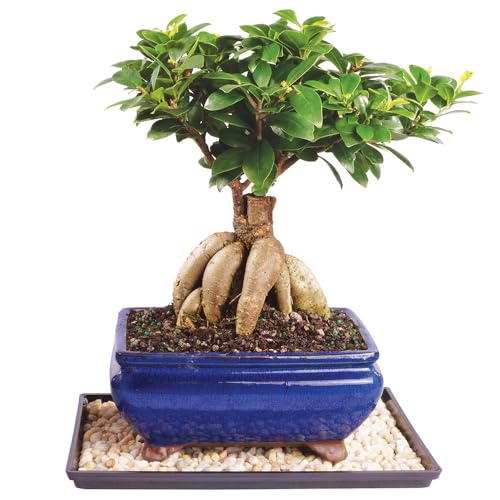
Brussel's Bonsai Ginseng Ficus Live Bonsai in Pot
Brussel's Bonsai
Mid-Range
Brussel's Bonsai Golden Gate Ficus Indoor Bonsai Tree (Medium, 7 yrs) 8–16 in
Brussel's Bonsai
Mid-RangeRoundups
Frequently Asked Questions
How do I choose the right indoor bonsai for my skill level and home environment?
Beginner indoor bonsai varieties (e.g., ficus, jade, or schefflera) tolerate lower light and irregular care; intermediate to advanced species need brighter light, consistent humidity, and more pruning. Match the tree's light and humidity needs to your home (south- or east-facing windows for bright light, humid rooms or a tray for higher humidity) and choose smaller, more forgiving species if you are new to bonsai care
What should I expect to spend on an indoor bonsai and related starter supplies?
Indoor bonsai in this category commonly range from budget options under $50 to higher-quality specimens and kits above that; average prices in similar assortments are around $50–$60. Include extra cost for basic supplies like a shallow pot or tray, well-draining bonsai soil, pruning shears, and a watering tool when budgeting
What are the key features to compare when shopping for an indoor bonsai plant or kit?
Compare species and their light/humidity requirements, pot and drainage quality, whether the plant is pre-trained or a starter, included accessories (soil, tools, care guide), and seller ratings or customer reviews for plant health and packaging
How often and how should I water an indoor bonsai?
Watering frequency depends on species, pot size, soil, and environment; most indoor bonsai need thorough watering when the top 1/4 to 1/2 inch of soil feels slightly dry. Water until it drains from the pot's drainage holes, avoid letting the tree sit in stagnant water, and adjust frequency seasonally and for indoor heating or air conditioning
What basic pruning and training steps are necessary for maintaining shape and health?
Regular maintenance pruning removes dead or overgrown shoots and encourages ramification; structural pruning for shape is best done during the species' dormant or slow-growth period. Use sharp, clean bonsai shears for precise cuts, remove large branches selectively to preserve health, and consult species-specific guides for wiring timing and technique
How much light and humidity do indoor bonsai typically require?
Many indoor bonsai prefer bright, indirect light for several hours per day; some species tolerate lower light but will grow more slowly. Indoor humidity is often lower than ideal, so use humidity trays, grouping, or periodic misting to maintain moderate humidity levels, especially in heated or air-conditioned rooms
What are common pests and diseases for indoor bonsai, and how can I prevent them?
Common issues include spider mites, scale, mealybugs, root rot from overwatering, and fungal leaf spots; prevention includes inspecting new plants, maintaining proper watering and drainage, providing adequate air circulation, and treating infestations early with mechanical removal, insecticidal soap, or appropriate fungicides per label instructions