Krill Oil Nutritional Supplements
Krill oil nutritional supplements: omega-3–rich softgels and liquid formulas derived from Antarctic krill, marketed for cardiovascular and joint support; 26 products indexed, average rating 4.52, mid-range pricing around $53 and brands like Kori Krill represented
Top Products

Sports Research Omega-3 Krill Oil 2000mg
Sports Research
Budget
Bronson Antarctic Krill Oil 1000 mg with Omega-3s
Bronson
Mid-Range
Bronson Antarctic Krill Oil 1000 mg with Omega-3s, 120 softgels
Bronson
Budget
Bronson Antarctic Krill Oil 2000 mg with Omega-3s (EPA, DHA) 250 softgels
Bronson
Budget
Viva Naturals Antarctic Krill Oil 1200 mg Softgels
Viva Naturals
Mid-Range
Antarctic Krill Oil 1000mg, 480 softgels (2 pack) - EPA/DHA
DEAL SUPPLEMENT
Mid-Range
Kori Krill Antarctic Krill Oil Omega-3 Supplement, 800 mg, 90 softgels
Kori Krill
Mid-Range
MoveWell Plus Antarctic Krill Oil Joint Health
Live Conscious
Budget
NativePath Antarctic Krill Oil 500mg Softgels with EPA & DHA
NativePath
Budget
NOW Neptune Krill Oil Double Strength 1000 mg, phospholipid-bound
NOW Foods
Mid-Range
Horbaach Antarctic Krill Oil 1000mg Softgels
Horbaach
Budget
Kori Krill Oil Omega-3 400mg softgels (270) – Multi-Benefit
Kori Krill
Mid-Range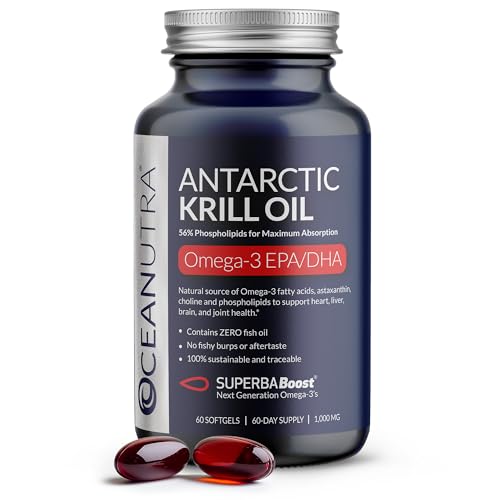
100% Pure Krill Oil 1000mg - Wild-Caught, 56% Phospholipids
Oceanutra
Mid-Range
Krill Oil Omega-3 1000mg 90 Softgels with Astaxanthin
NYO3
Mid-Range
Kori Krill Oil Omega-3 Softgels 1200mg, 30-count (Pack of 3)
Kori Krill
Mid-Range
KrillMD Antarctic Krill Oil with Astaxanthin & EPA/DHA
1MD Nutrition
Mid-Range
Krill Omega 50+ with CoQ10 – Purity Products
Purity Products
Mid-Range
Krill Oil 500 mg with Phospholipid-Bound Omega-3 – 120 softgels
NOW Foods
Mid-Range
Dr. Mercola Antarctic Krill Oil Double Strength 2000 mg
Dr. Mercola
Mid-Range
MoveWell Plus Joint Health with Krill Oil, Astaxanthin & Hyaluronic Acid
Live Conscious
Premium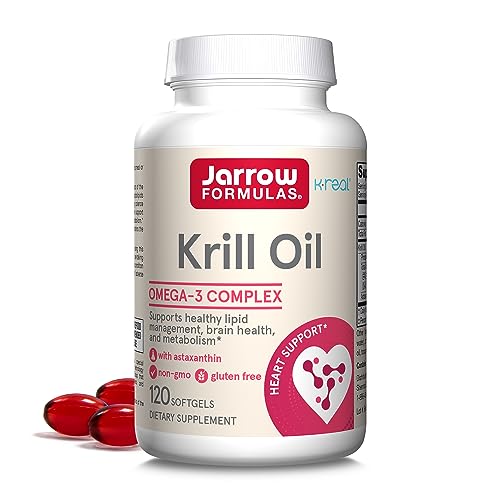
Jarrow Krill Oil with Astaxanthin - 120 softgels, phospholipid omega-3 complex
Jarrow Formulas
Mid-Range
Stonehenge Health Krill Oil 1600 mg triple strength 60 softgels
Stonehenge Health
Mid-Range
Nutricost Krill Oil 1000mg softgels (3 Bottles) omega-3 EPA-DHA
Nutricost
Mid-Range
Dr. Mercola Antarctic Krill Oil 1000 mg - omega-3 with EPA & DHA
Dr. Mercola
PremiumRoundups
- Best Krill Oil Nutritional Supplements for Daily Omega-3 Supplementation (2026)
- Best Krill Oil Nutritional Supplements for Joint Support (2026)
- Best Krill Oil Nutritional Supplements for Daily Omega-3 Support (2026)
- Best Krill Oil Nutritional Supplements Under $200 (2026)
- Best Krill Oil Nutritional Supplements Under $100 (2026)
- Best Krill Oil Nutritional Supplements Under $50 (2026)
- Best Krill Oil Nutritional Supplements (2026 Guide)
Frequently Asked Questions
What is krill oil and how does it differ from fish oil?
Krill oil is an omega-3 supplement derived from Antarctic krill that contains EPA and DHA bound mainly to phospholipids and also contains the antioxidant astaxanthin; compared with typical fish oil, krill oil may offer different absorption characteristics due to the phospholipid form and usually has lower absolute omega-3 content per capsule
How do I choose the right krill oil supplement?
Compare EPA/DHA amounts per serving, look for standardized astaxanthin levels if that matters to you, check third-party testing or purity certifications for contaminants, consider capsule count versus potency, and select a reputable brand with clear ingredient labels
Are there common side effects or interactions I should watch for?
Typical side effects are mild and can include fishy aftertaste, gastrointestinal upset, or burping; krill oil can increase bleeding risk when combined with anticoagulant or antiplatelet medications, so consult a healthcare provider before use if you take blood-thinners or have a bleeding disorder
What is a reasonable price range and serving frequency for krill oil?
Krill oil supplements are commonly priced in the low tens to low hundreds of dollars depending on bottle size and potency, with many shoppers paying around mid-range prices; typical dosing is one to two capsules daily but follow product label directions and your healthcare provider's advice
Is krill oil sustainable and how can I verify that?
Look for sustainability certifications or information on sourcing practices (e.g., responsible fishery programs) and transparency from the manufacturer; third-party eco-certifications or clear sourcing statements indicate greater attention to sustainability
Can vegetarians or people with seafood allergies take krill oil?
Krill oil is derived from crustaceans, so it is not suitable for vegetarians or individuals with shellfish allergies; people with seafood allergies should avoid krill oil and consider plant-based omega-3 alternatives like algal oil
What label terms or certifications should I look for on krill oil products?
Helpful labels include third-party testing (e.g., purity or GMP verification), clear EPA/DHA and astaxanthin amounts, and statements about heavy-metal testing or contaminant screening; avoid products with vague omega-3 claims and no supporting test information