Lard & Rendered Animal Fat
Rendered animal fats and lard products for cooking and topical use, including tallow, lard, and specialty rendered blends. The category spans budget through mid-range options (about $33–$125, average $64) with brands like STELLAR CHEMICAL CORP represented among 20 indexed items and an average rating of 4.51
Top Products
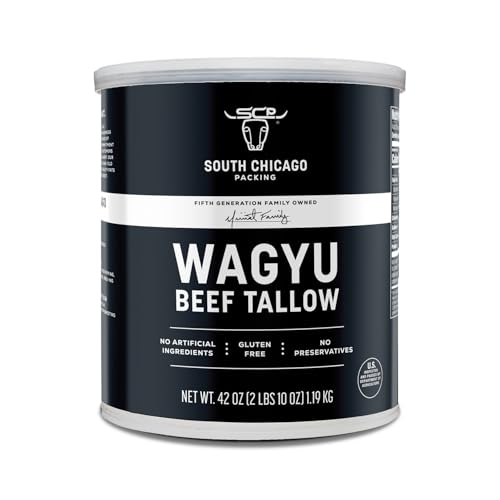
Wagyu Beef Tallow, 42 oz — Paleo & Keto
SCP South Chicago Packing
Budget
Brandt Beef Tallow 100% Pure Beef Tallow 64 oz Tub
BRANDT BEEF
Mid-Range
Beef Tallow 100% Grass-Fed & Finished, 3 LBS
STELLAR CHEMICAL CORP
Budget
Renderings Gold Label Beef Tallow - 100% Grass-Fed & Finished, 14 oz jar (2-Pack)
Proper Foods For Life
Mid-Range
Beef Tallow for Cooking 7 lb Bulk Pail
Drip Co
Mid-Range
MD.Life Beef Tallow for Cooking - 4 Pack, 8 Lbs
MD.LIFE
Mid-Range
MD.LIFE Beef Tallow for Cooking – Grass-Fed, 4 lb (2 pack)
MD.LIFE
Budget
Beef Tallow - 100% Grass-Fed & Finished, 5 LBS
STELLAR CHEMICAL CORP
Mid-Range
Wagyu Republic Beef Tallow - Grass Fed Wagyu, 28oz
wagyurepublic
Mid-Range
Beef Tallow for Cooking - 7lb Bulk, Non-GMO, Gluten-Free
Golden Render
Mid-Range
Renderings Beef Tallow - 100% Grass-Fed & Finished, 14 oz jar (3-Pack)
Proper Foods For Life
Premium
Renderings Gold Label Beef Tallow - 100% Grass-Fed & Finished, 14 oz jar (4-Pack)
Proper Foods For Life
Premium
Beef Tallow - 100% Grass-Fed & Finished, for cookin, baking & frying
STELLAR CHEMICAL CORP
Premium
MD.LIFE Beef Tallow for Cooking 24 lb
MD.LIFE
Premium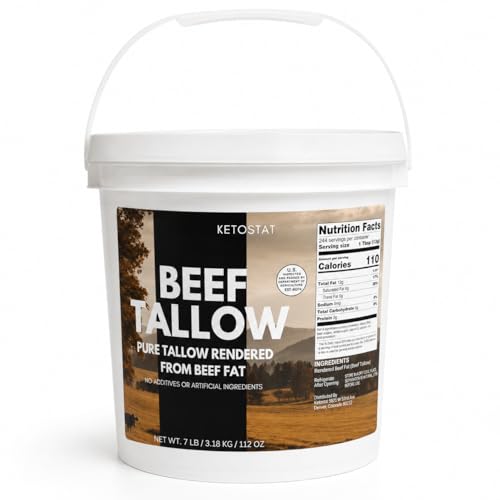
Beef Tallow for Cooking 112 oz | American Farmer Sourced
Ketostat
Mid-Range
Beef Tallow - 100% Grass-Fed & Finished, 15 lbs
STELLAR CHEMICAL CORP
Premium
Beef Tallow Bulk Pail 30 lb 100% Pure Rendered
Drip Co
Premium
Fat Brothers Grass-Fed Beef Tallow 7.2 Lbs Pail
Fat Brothers
Premium
Bacon UpR Bacon Grease for Cooking - 21.85lb Tub
Bacon Up
Premium
Cornhusker Kitchen Grass Fed Beef Tallow, 7.5 Lbs
Cornhusker Kitchen
PremiumRoundups
- Best Lard & Rendered Animal Fat for Baking (2026)
- Best Lard & Rendered Animal Fat for Roasting (2026)
- Best Lard & Rendered Animal Fat for Frying (2026)
- Best Lard & Rendered Animal Fat for Roasting Vegetables (2026)
- Best Lard & Rendered Animal Fat Under $200 (2026)
- Best Lard & Rendered Animal Fat Under $100 (2026)
- Best Lard & Rendered Animal Fat Under $50 (2026)
- Best Lard & Rendered Animal Fat (2026 Guide)
Frequently Asked Questions
How do I choose between different types of rendered animal fat (lard, tallow, schmaltz) for cooking and health?
Choose based on smoke point and flavor: beef tallow has a higher smoke point and beefy taste, pork lard is versatile with a mild flavor, and poultry schmaltz adds a rich savory note. Consider intended use (high-heat frying vs. baking) and any dietary preferences or restrictions (e.g., avoiding pork for cultural reasons)
What should I look for on labels to assess quality and purity?
Look for single-ingredient listings (e.g., pork lard, beef tallow), terms like rendered, unhydrogenated, or minimally processed, and sourcing details (pasture-raised, grass-fed) if they matter to you. Avoid products listing hydrogenated fats, artificial additives, or unspecified 'blends' if you want pure rendered fat
Are rendered animal fats a healthy choice and how should they fit into my diet?
Rendered animal fats are calorie-dense sources of saturated and monounsaturated fats and can be included in moderation as part of a balanced diet. Use them to replace highly processed vegetable shortenings or trans-fat-containing spreads, but balance intake with vegetables, whole grains, and lean proteins
How should I store lard or tallow to maximize shelf life and quality?
Store sealed rendered fat in a cool, dark place or refrigerated to extend shelf life; refrigeration keeps it firm and reduces rancidity, while freezing preserves it longest. Use clean utensils to avoid contamination and check for off odors or discoloration before use
What are common culinary uses and substitution ratios for rendered fats?
Rendered fats can be used for frying, roasting, sautéing, pie crusts, and biscuits; substitute 1:1 for butter or oil in most savory applications, but expect flavor differences. For baking, test small substitutions as texture and flavor may change (e.g., flakier pastry with lard)
How do smoke points vary and why does it matter?
Smoke points differ by fat and processing—beef tallow and refined lard generally have higher smoke points suitable for high-heat cooking, while unrefined or flavored fats smoke sooner. Choose a fat with a smoke point above your cooking temperature to avoid off flavors and harmful compounds from burning
Are there allergen or dietary labeling considerations to check before buying?
Check labels for the animal source (pork, beef, poultry) to address religious, cultural, or dietary restrictions, and look for cross-contamination warnings if you have severe allergies. Some products also note processing facilities and may disclose shared equipment with other allergens