Lecithin Nutritional Supplements
Lecithin nutritional supplements in Health & Wellness include soy- and sunflower-derived granules, capsules, and liquid phospholipid formulas used to support lipid metabolism and cellular health. The category averages a 4.48 rating across 12 products, with mid-range pricing (about $33–$70) and brands like NOW Foods represented
Top Products

Legendairy Milk Sunflower Lecithin 1200mg, 200 softgels (Pack of 2)
Legendairy Milk
Mid-Range
Phosphatidyl Serine 100 mg with phospholipid from soy lecithin
NOW Foods
Budget
Phosphatidylserine 400mg Capsules — Soy-Free Sunflower Lecithin
Deal Supplement
Budget
Pure Naturals Lecithin 1200 mg Softgels Supplement
Pure Naturals
Budget
Liposomal Glutathione Supplement - 500mg (Setria) - AMANDEAN
AMANDEAN
Mid-Range
Soy Free Phosphatidylserine 100mg - Sunflower Lecithin
Natural BioScience
Mid-Range
Seeking Health Optimal PC – Choline for brain & liver health
Seeking Health
Mid-Range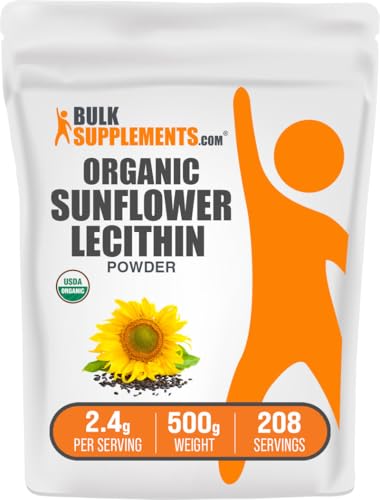
Organic Sunflower Lecithin Powder - Vegan & Gluten Free, 2400mg per serving, 500g
BulkSupplements
Mid-Range
4-in-1 Mullein Drops for Lungs & Gut Health
BREATHIUM
Mid-Range
Phosphatidylserine for memory and focus
Natural Factors
Premium
NOW Phosphatidyl Serine 300 mg extra strength with soy-derived phospholipids
NOW Foods
Mid-Range
Codeage Liposomal Glutathione 1000 mg supplement
Codeage
Mid-RangeRoundups
Frequently Asked Questions
What is lecithin and why do people take it as a supplement?
Lecithin is a mixture of phospholipids, primarily phosphatidylcholine, that supports cell membrane structure and lipid metabolism; people take it to support liver health, cognitive function, and healthy fat digestion or to increase dietary phospholipid intake
How do I choose between soy, sunflower, and egg-derived lecithin?
Choose based on allergen and dietary preferences: soy lecithin is common and inexpensive but may concern those avoiding soy; sunflower lecithin is a non-GMO, soy-free alternative; egg-derived lecithin may suit users looking for animal-sourced options but isn’t vegan
What forms and dosages are typical for lecithin supplements?
Lecithin comes as granules, softgels, powders, and liquid emulsions; typical supplemental doses range from 300 mg to several grams per day depending on the form and intended use—follow label instructions or a healthcare professional’s guidance
Are there safety concerns or side effects I should know about?
Lecithin is generally well tolerated; mild gastrointestinal symptoms like nausea, diarrhea, or bloating can occur, and those with soy or egg allergies should avoid corresponding sources; consult a clinician before use if pregnant, breastfeeding, or taking medications
How do I evaluate product quality when shopping for lecithin?
Look for transparent ingredient sourcing, clear specification of lecithin type (soy/sunflower/egg), phospholipid content, third-party testing or GMP statements, and appropriate allergen labeling
What price range should I expect for lecithin supplements?
Lecithin supplements commonly fall into budget-friendly ranges; many consumer options are available under $50, though larger or specialty formulations with higher phospholipid concentration may cost more
Can lecithin interact with medications or medical conditions?
Potential interactions are uncommon but possible—people on anticoagulants or with chronic liver conditions should consult a healthcare provider before starting lecithin to review individual risks