Lumbar Supports
Lumbar Supports in Health & Wellness include back braces, posture correctors, and heated or compression belts designed to relieve lower-back pain and improve alignment. The 92 indexed products average a 4.40 rating and span mid-range prices (about $34–$76), with brands like NEENCA and FREETOO commonly represented
Top Products

FREETOO back brace with 6 stays for lower back pain relief
FREETOO
Budget
FREETOO Back Brace with 6 stays for lower back pain relief
FREETOO
Budget
Back brace with 6 stays for lower back support
FREETOO
Mid-Range
FREETOO Back Brace for lower back pain relief
FREETOO
Mid-Range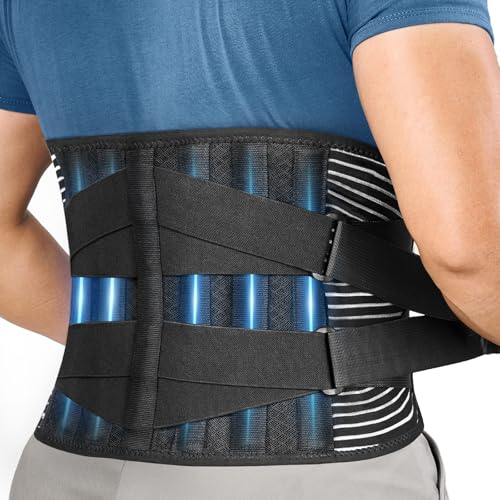
FREETOO Back Brace for Lower Back Pain Relief
FREETOO
Mid-Range
Fit Geno Back Brace for Lower Back Pain
Fit Geno
Budget
Back brace for lower back pain with 8-support straps
EGJoey
Mid-Range
Back brace with 7 stays for lower back support
Rakiie
Mid-Range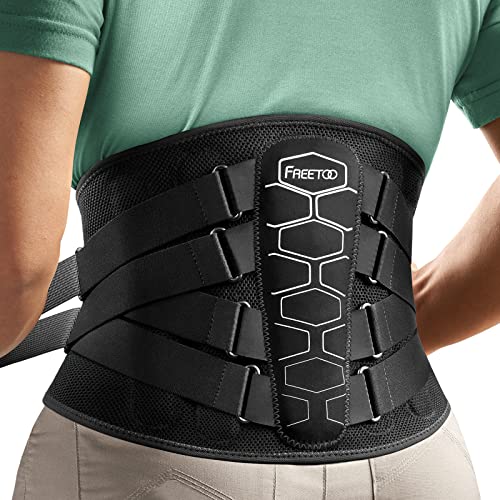
FREETOO Back Brace with Lumbar Pad and Pulley System
FREETOO
Mid-Range
FREETOO Back Brace with Lumbar Pad and Pulley System
FREETOO
Mid-Range
FREETOO Back Brace with Lumbar Pad for Lower Back Pain Relief
FREETOO
Mid-Range
FREETOO Back Brace with Lumbar Pad for Lower Back Pain
FREETOO
Mid-Range
FREETOO Back Brace with Lumbar Pad and Pulley System
FREETOO
Mid-Range
Back Brace for lower back pain with lumbar support
EGJoey
Budget
Back brace for lower back pain relief with removable stays
EGJoey
Budget
YAHA Back Brace for Lower Back Pain Relief
YAHA
Mid-Range
Lumbar back brace with removable 3D pad
Rakiie
Mid-Range
Back Brace for Lower Back Pain with 8 Stays – Lumbar Support Belt (Size S, Orange)
Rakiie
Mid-Range
Fit Geno Back Brace for Lower Back Pain Women: Adjustable Lumbar Support
Fit Geno
Mid-Range
Lumbar back brace with removable pad, adjustable support
Rakiie
Mid-Range
FREETOO Back Brace with 3D-Knit Breathable Design
FREETOO
Mid-Range
Lumbar Support Pillow for chair with removable cover, contoured foam
DMI
Mid-Range
YAHA Back Brace for Lower Back Pain Relief
YAHA
Mid-Range
Back brace for lower back pain (women) with 9X support
Rakiie
BudgetRoundups
Frequently Asked Questions
How do I choose the right type of lumbar support for my needs?
Pick based on your primary use: seat cushions or lumbar pillows for sitting comfort, wrap-style braces for mild support during activity, and rigid or semi-rigid braces for stronger stabilization; consider firmness, adjustability, size, and intended wear time
What key features should I look for in a lumbar support product?
Look for adjustable straps or fasteners, breathable materials, removable/washable covers, ergonomic curvature that matches your lumbar curve, and the level of firmness (soft, medium, firm) to match your comfort and support needs
How do I determine the right size and fit for a lumbar brace or pillow?
Measure your waist or the width of your lower back where the device will sit, check the manufacturer’s size guide, and choose an adjustable product when between sizes; a good fit should be snug but not restrict breathing or circulation
What's a reasonable budget for lumbar supports and what do price differences reflect?
Lumbar supports commonly fall into budget categories under $50 for basic pillows and wraps, $50–$100 for higher-quality materials and adjustable braces; price differences typically reflect material quality, adjustability, brand, and added features like memory foam or reinforced stays
How should I care for and clean a lumbar support product?
Follow the product’s care label; many lumbar pillows have removable covers that are machine washable while internal foam usually requires spot cleaning or air drying to prevent deformation; straps and braces often use gentle hand wash and air drying
Can lumbar supports help with chronic lower back pain or injury recovery?
They can provide temporary relief by improving posture, reducing load on lumbar structures, and limiting harmful movements, but they are typically adjuncts to medical treatment; consult a healthcare professional for chronic pain or post-injury guidance
Are there any risks or downsides to using lumbar supports long term?
Overreliance can weaken core and back muscles if used continuously without exercise; prolonged excessively tight supports may impair circulation or breathing, so use as directed and combine with strengthening and mobility exercises