Magnifiers
Magnifiers in Health & Wellness include handheld, stand, and wearable lenses for reading, hobbies, and visual aid, with mid-range price points (about $33–$67). Fourteen products average a 4.49 rating; top brands include HQGZQL and Donegan Optical
Top Products

Vision Aid magnifying glasses with USB LED light
Vision Aid
Budget
Donegan DA-5 OptiVisor Headband Magnifier, 2.5x
Donegan Optical
Mid-Range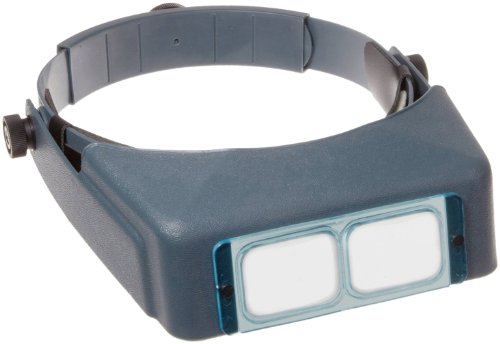
Donegan DA-4 OptiVISOR Headband Magnifier with 2X Lens
Donegan Optical
Premium
Rechargeable magnifying glass with light, 10x/20x/45x
Recant
Budget
30X 10X Floor Magnifier with Light and Stand
HQGZQL
Mid-Range
10x Magnifying Glass with Light and Clamp
VUEJIC
Budget
Magnifying Glass with Light Headset (1X-14X) Rechargeable
Dilzekui
Mid-Range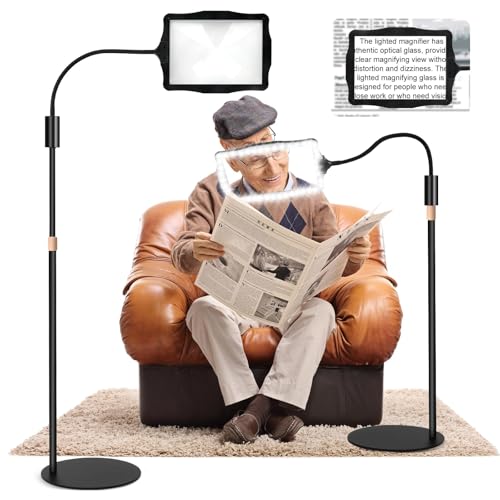
10x Magnifying Glass with Light and Stand
Floranest
Mid-Range
LED magnifier desk lamp with stand and clamp, 3 color modes, 5-diopter glass
Dylviw
Budget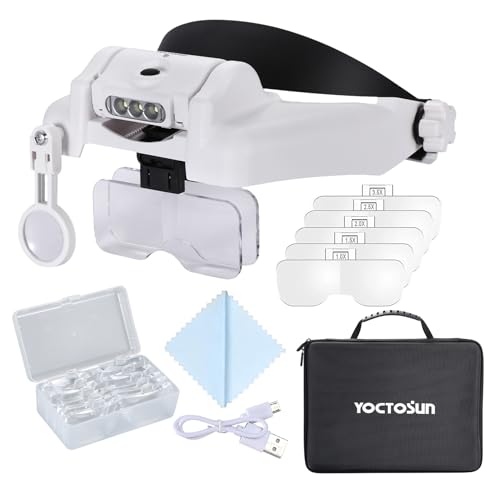
YOCTOSUN magnifying glasses with light 1x-14x headband magnifier
YOCTOSUN
Mid-Range
30X 10X Floor Magnifier with Light & Stand, 7-inch Adjustable Height
HQGZQL
Mid-Range
Extra Large Floor Magnifying Lamp with 60 LEDs and 5 color modes
HQGZQL
Mid-Range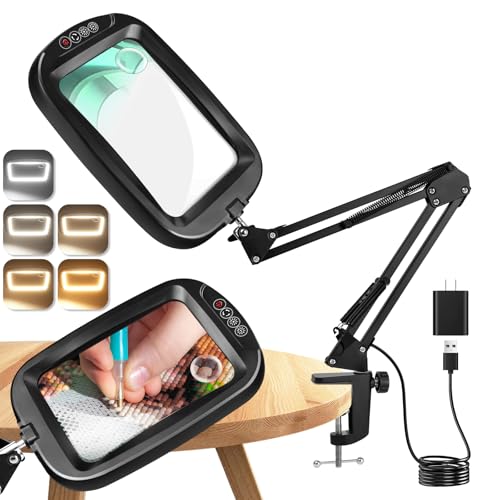
10X-30X Extra Large Magnifying Glass with Light and Clamp
HQGZQL
Budget
10X 30X extra large magnifying glass with light and stand
HQGZQL
Mid-RangeRoundups
Frequently Asked Questions
How do I choose the right type of magnifier for reading and close-up work?
Choose based on the task: handheld magnifiers or page magnifiers are good for occasional reading, stand or desktop magnifiers provide stable hands-free viewing for longer sessions, and headband or wearable magnifiers are best for precision hobbies; consider magnification power, lens size, and whether you need built-in lighting
What magnification strength and lens size should I look for?
For general reading 1.5x–3x is usually sufficient; 4x–6x or higher is better for detailed work but reduces field of view; larger lenses (3–6+ inches) give a wider viewing area while smaller lenses offer higher apparent magnification for the same power
How important is lighting and what should I look for in built-in lights?
Good lighting improves contrast and reduces eye strain; look for LED illumination with adjustable brightness and neutral white color temperature, battery versus rechargeable options based on convenience, and diffused lighting to minimize glare
What materials and build features affect durability and portability?
Lenses made from acrylic or polycarbonate are lightweight and impact-resistant, glass lenses resist scratching but are heavier; check for sturdy frames, foldable or compact designs for portability, and rubberized grips or stands for secure handling
How should I care for and clean a magnifier to maintain clarity?
Clean lenses with a microfiber cloth and mild lens cleaner or soapy water; avoid abrasive cloths and household glass cleaners with ammonia if the lens has coatings, and store in a protective case to prevent scratches and dust buildup
Are there magnifiers suited for low-vision users or seniors?
Yes—look for models with larger lenses, lower-to-moderate magnification for comfortable field of view, high-contrast lighting, ergonomic handles or hands-free stands, and easy-to-use controls; some products also offer tints or glare reduction
What price range should I expect and how does price relate to features?
Magnifiers commonly range from under $20 for basic handheld models to (price varies)–150 for larger illuminated or hands-free units; higher-priced options typically offer better lighting, larger lenses, rechargeable batteries, and sturdier construction