Ostomy Barrier Rings & Strips
Ostomy barrier rings and strips are adhesive seals and molds used to protect skin and improve ostomy appliance fit by filling gaps and preventing leaks. This category includes gel, moldable, and pre-cut options from brands like Hollister, with about 15 indexed products averaging a 4.52 rating and mid-range pricing
Top Products

Hollister 7805 Adapt 2 Flat Barrier Rings, 10 Pack
Hollister
Mid-Range
Hollister 79402 CeraPlus Barrier Extenders, 30 Pack
Hollister
Budget
Adapt 4 Wide CeraRing Ostomy Barrier Rings, 2 thickness, 10 pack
Adapt
Mid-Range
Hollister CeraPlus Flat Skin Barrier 1-1/4 cut-to-fit 5 pack
Hollister
Mid-Range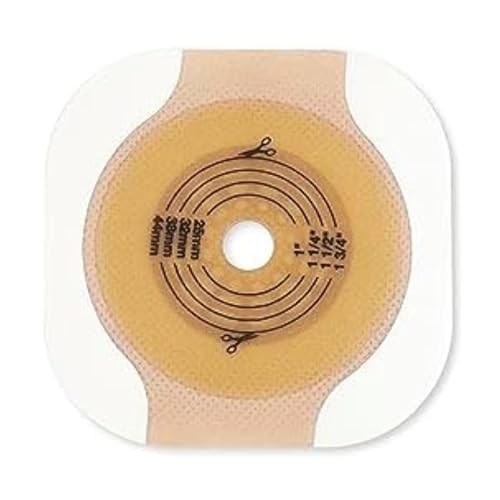
Hollister CeraPlus Flat Two-Piece Skin Barrier with Adhesive Border (5 Pack)
Hollister
Budget
Hollister CeraPlus Flat Two-Piece Skin Barrier with Adhesive Border
Hollister
Mid-Range
CeraPlus Ostomy Barrier Adhesive Tape Borders 57 mm Flange 5 per Box
Hollister
Budget
Hollister Adapt 2 Wide Flat Ceraring Barrier Rings, 2 Thickness, 10 Pack
Hollister
Budget
Hollister CeraPlus Flat Skin Barrier, Cut-to-Fit 2-1/4
Hollister
Mid-Range
Hollister CeraPlus Convex Skin Barrier, 5 Pack, Cut-to-Fit
Hollister Inc
Mid-Range
Ostomy Barrier Strips, hydrocolloid, skin-friendly, elastic (60 pcs)
Heagimed
Mid-Range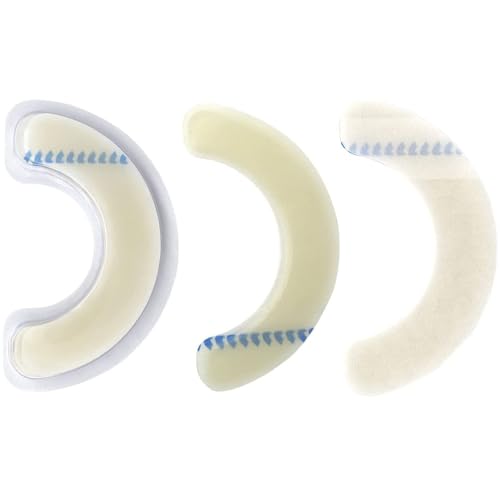
Ostomy Barrier Strips Elastic - 40 pcs for Colostomy Bags
YEYSXSY
Mid-Range
Ostomy barrier rings, moldable hydrocolloid skin extenders
ovand
Budget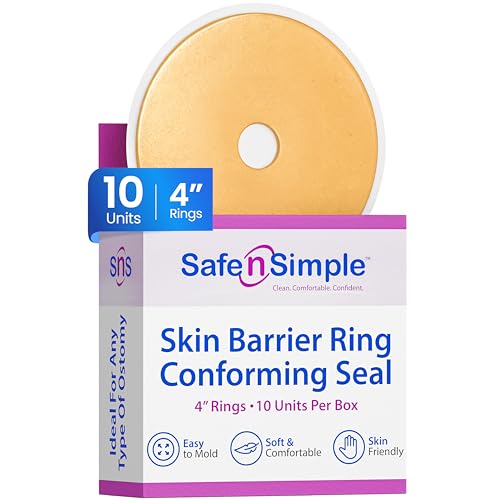
Safe n' Simple 4 Inch Ostomy Barrier Rings - Pack of 10
Safe n' Simple
Mid-Range
Hollister 8963 CeraPlus Soft Convex 1-Piece Ostomy Pouching System 5 Pack
Hollister
PremiumRoundups
Frequently Asked Questions
What are ostomy barrier rings and strips, and how do they work?
Barrier rings and strips are soft, adhesive seals placed around a stoma on the skin barrier to fill uneven skin, prevent leaks, and protect skin from output; rings are typically donut-shaped while strips are elongated for narrow or irregular areas
How do I choose the right size and shape for my stoma?
Measure your stoma diameter when it is at its largest (usually after activity) and choose a ring or strip that can be trimmed or molded to fit snugly without constricting the stoma; manufacturers provide sizing guides and many products are designed to be trimmed for a custom fit
Are there different materials and how do they affect skin sensitivity?
Barrier rings and strips are commonly made from hydrocolloid or silicone-based adhesives; hydrocolloid offers cushioning and moisture management while silicone is gentler for sensitive skin and easier to remove—check product labels for hypoallergenic claims and consult if you have known adhesive sensitivities
How long do barrier rings and strips typically last once applied?
Wear time varies by product, skin condition, and activity, but many rings and strips are designed to last anywhere from 24 hours up to several days under normal conditions; replace immediately if you notice leakage, skin irritation, or loss of adhesion
Can I trim or mold rings and strips myself, and how should I apply them?
Yes, most rings and strips can be trimmed or molded; clean and dry the peristomal skin, warm and shape the product if needed, position it around the stoma ensuring a secure seal without gaps, then apply the skin barrier and pouch as usual
What should I look for on the label regarding compatibility with my pouching system?
Look for compatibility with your flange type (pre-cut vs. cut-to-fit), recommended use with convex or flat barriers if applicable, and manufacturer instructions indicating whether the ring or strip is intended for use under a specific adhesive or pouching system
How much do barrier rings and strips cost and are there budget options?
Prices vary by brand, quantity, and material; shoppers can expect a range that includes budget options under $50 for smaller multi-packs and higher-cost choices for specialty or hypoallergenic formulations, with average category prices around the mid tens to low hundreds depending on pack size