OTC Medicinal Sleep Aids
Over-the-counter medicinal sleep aids include antihistamine and herbal formulations, melatonin blends, and homeopathic options for occasional sleeplessness; 18 products are indexed with an average rating of 4.37 and mid-range pricing. Notable brands in the set include Hyland’s and ZzzQuil
Top Products

Hyland's Restful Legs PM nighttime formula
Hyland's
Budget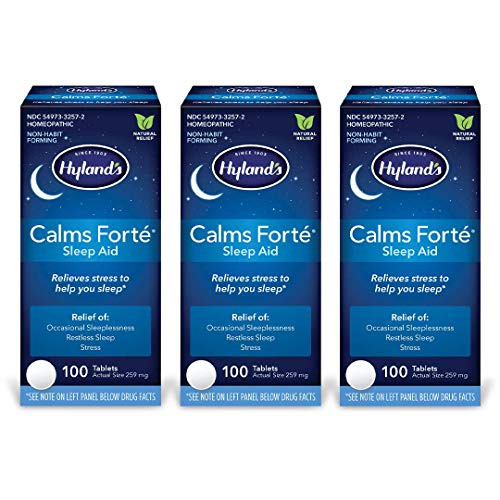
Hylands Calms Forte Sleep Aid Tablets
Hyland's
Budget
Jet Alert Double Strength Alertness Caplets
Jet-Alert
Mid-Range
MidNite Sleep Aid: 120 chewable cherry tablets (value pack of 4)
MidNite
Mid-Range
RESCUE Sleep Liquid Melts, natural orange vanilla, alcohol-free, 3-pack
Nelson Bach USA Ltd.
Mid-Range
ZzzQuil Nighttime Sleep Aid Liquid 50 mg Diphenhydramine HCl, Berry Flavor, 12 fl oz (Pack of 4)
ZzzQuil
Budget
Alteril Sleep Aid Tabs
Alteril
Budget
ZzzQuil Nighttime Sleep Aid LiquiCaps 25 mg Diphenhydramine HCl 12 Count (Pack of 5)
ZzzQuil
Budget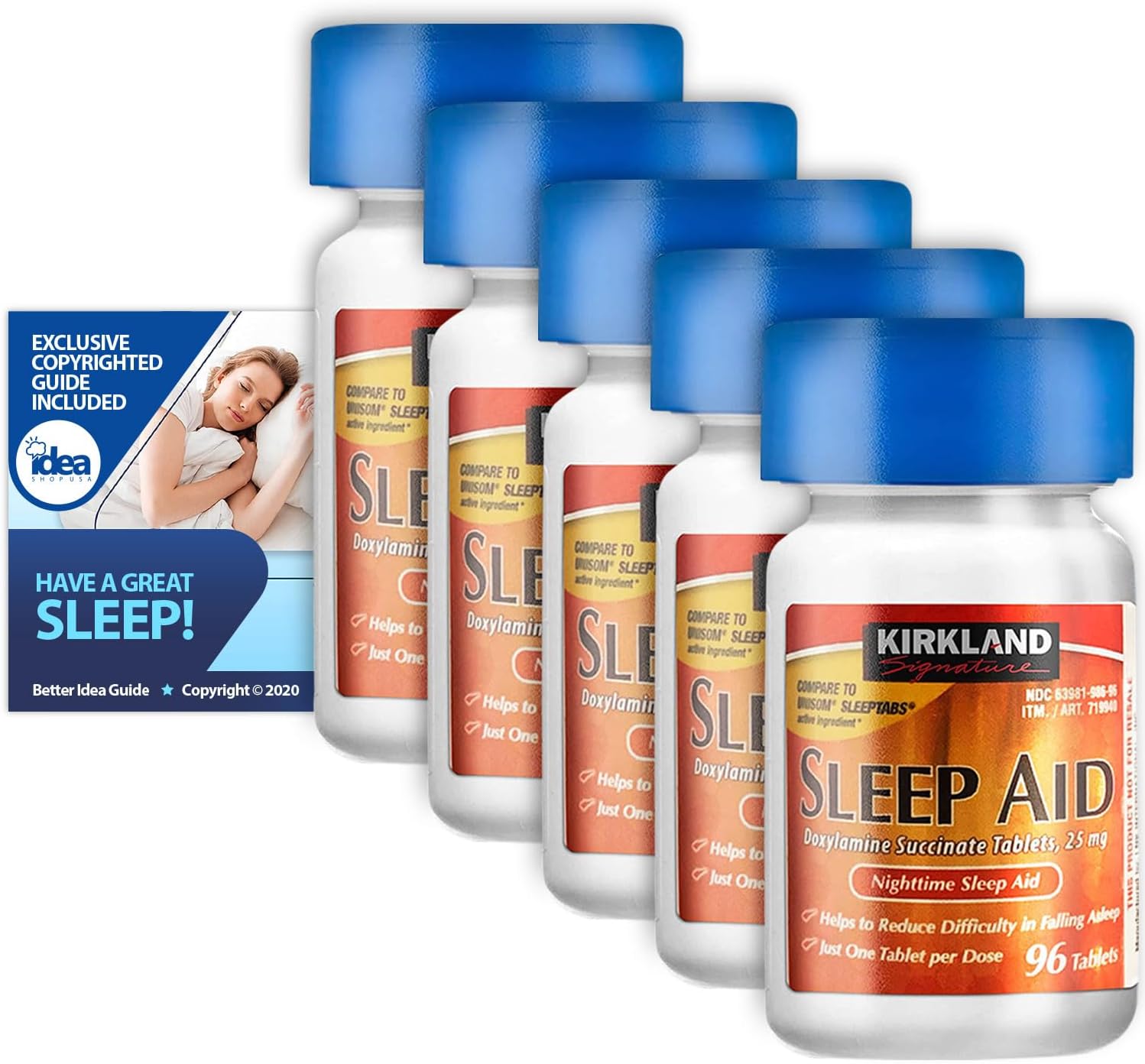
KS Nighttime Sleep Aid 25 mg, 96 Ct (5 Pack) Doxylamine Succinate Tablets
Idea Shop USA
Mid-Range
Boiron SleepCalm Melatonin-free dissolvable tablets
Boiron
Budget
Genexa Sleepology for Adults – Melatonin-Free Sleep Aid
Genexa
Mid-Range
Nutricost Sleep Aid Complex 1330mg (90 Caps) – 3 Pack
Nutricost
Budget
Bach Rescue Sleep Liquid Melts - Natural orange vanilla flavor
Nelsons
Premium
Somnapure Clinical Sleep Aid with diphenhydramine HCl
Force Factor
Mid-Range
Herbs Etc. Deep Sleep Softgels – Herbal Sleep Support
Herbs Etc.
Mid-Range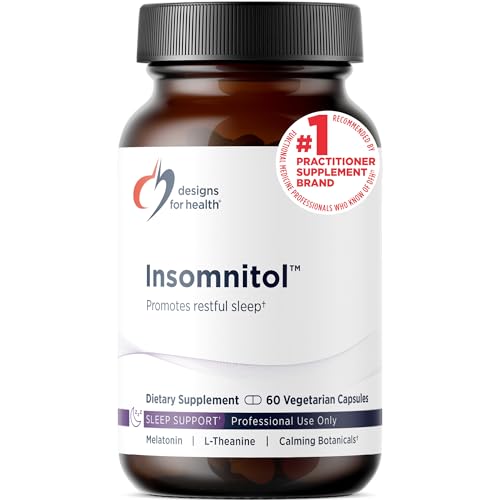
Insomnitol Sleep Aid Capsules with Melatonin + L-Theanine + 5-HTP
Designs for Health
Mid-Range
Qualia Night Sleep Aid: non-habit forming, melatonin-free
QUALIA LIFE SCIENCES
Premium
Auricular Vagus Nerve Stimulator Sleep Aid Device
DDBDDB
PremiumRoundups
Frequently Asked Questions
What types of over-the-counter (OTC) sleep aids are available and how do they differ?
Common OTC sleep aids include antihistamines (e.g., diphenhydramine, doxylamine) that cause drowsiness, melatonin and melatonin receptor agonists that regulate circadian rhythm, and herbal/homeopathic options (e.g., valerian, herbal blends) that vary in evidence; onset, duration, and side effects differ by type
How should I choose an OTC sleep aid based on my sleep problem?
Match the product to your issue: use short-acting options or low-dose melatonin for trouble falling asleep, longer-acting antihistamines for staying asleep (careful with next-day drowsiness), and consider non-drug approaches for chronic insomnia; consult a clinician if sleep problems persist or are severe
What safety concerns and common side effects should I watch for?
Common side effects include next-day drowsiness, dry mouth, dizziness, and cognitive impairment (especially with antihistamines); avoid combining sedatives or alcohol, be cautious if you have respiratory, glaucoma, prostate, or liver conditions, and check interactions with other medications
Are OTC sleep aids appropriate for older adults or those taking other medications?
Older adults are more sensitive to sedating side effects and fall risk from antihistamines; melatonin is often considered safer but still can interact with medications—consult a healthcare provider before use if you are older or take prescription drugs
How long can I safely use OTC sleep aids and when should I see a doctor?
OTC sleep aids are generally intended for short-term or occasional use; if sleep disturbances last more than a few weeks, worsen, or affect daily functioning, see a healthcare professional to evaluate underlying causes and long-term treatment options
What should I consider budget-wise when comparing OTC sleep aids?
Prices vary by formulation and brand, but many options fall into a budget-friendly range under $50; consider dose, quantity per package, and whether a product’s active ingredient aligns with your needs rather than brand alone
How should I store and handle OTC sleep aids for best results?
Store in a cool, dry place away from direct sunlight, keep in original packaging with dosing instructions, and follow label directions for timing (typically 20–60 minutes before bed) to optimize effectiveness and safety