Peanut Butter
This category covers peanut butter and peanut-based spreads focused on health and wellness, including natural, reduced-sugar, and alternative spreads. It averages a 4.50 rating across 55 indexed products and spans budget through premium price points (avg $63), with brands like Jif represented
Top Products

Jif Extra Crunchy Peanut Butter, 16 oz pack of 12
Jif
Budget
Jif Extra Crunchy Peanut Butter (10 x 28 oz)
Jif
Mid-Range
Jif Reduced Fat Creamy Peanut Butter Spread (16 oz) - 12 Pack
Jif
Budget
Jif Creamy Peanut Butter, 28 oz (Pack of 10)
Jif
Mid-Range
PB2 Powdered Peanut Butter Original Bundle, 16 oz (6 pack)
PB2
Mid-Range
Jif Natural Crunchy Peanut Butter Spread 16 oz jars (pack of 12)
Jif
Budget
WOWBUTTER Peanut Free Spread (Creamy, 6 x 1.1 lb)
WOWBUTTER
Budget
SKIPPY Super Chunk Extra Crunchy Peanut Butter 64 oz (2-pack)
SKIPPY
Mid-Range
Skippy Chunky Peanut Butter Blended with Plant Protein, 16oz Jar (12 Pack)
SKIPPY
Mid-Range
Hoosier Hill Farm Peanut Butter Powder 5LB
Hoosier Hill Farm
Mid-Range
Jif Natural Creamy Peanut Butter Spread (28 oz x10 jars)
Jif
Mid-Range
Kevala Organic Sesame Tahini – smooth hulled sesame paste
kevala
Mid-Range
SKIPPY Natural Super Chunk Peanut Butter Spread 7 g Protein
SKIPPY
Mid-Range
Skippy Creamy Peanut Butter Spread 16 oz (12 pack)
SKIPPY
Budget
Jif Creamy Peanut Butter, 15.5 oz (12-pack)
Jif
Mid-Range
Skippy Natural Creamy Peanut Butter Spread, 1/3 Less Sodium & Sugar (Gluten Free) - 15 oz Jars (Pack of 12)
SKIPPY
Mid-Range
Jif No Added Sugar Creamy Peanut Butter Spread, 15.5 oz (12-pack)
Jif
Mid-Range
SKIPPY No Sugar Added Chunky Peanut Butter Spread 16 oz (Pack of 12)
SKIPPY
Budget
Wowbutter Natural Peanut Free Creamy 4.4lb Jars, 2 Pack
WOWBUTTER
Mid-Range
Spread The Love Naked Organic Peanut Butter 3-Pack
Spread The Love
Mid-Range
SunButter Natural Original Sunflower Creamy Butter Nut (16 oz) – Pack of 6
Sunbutter Natural
Budget
Nakee Butter Focus Cacao Peanut Butter - 12-Pack
Nakee Butter
Mid-Range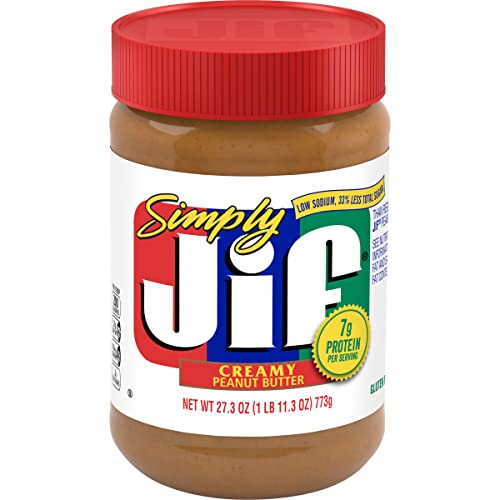
Simply Jif Creamy Peanut Butter (27.3 oz x10 jar pack)
Jif
Mid-Range
Skippy Creamy Peanut Butter with Plant Protein, 16oz Jar (12 pack)
SKIPPY
Mid-RangeRoundups
Frequently Asked Questions
How do I choose the right type of peanut butter for health and wellness?
Consider nutrition goals: choose natural or unsweetened varieties for fewer added sugars, powdered peanut butter for lower fat and calories, or peanut butter with added protein for higher protein content; check labels for serving size, sodium, and ingredient simplicity (peanuts listed first and minimal additives)
What should I look for on the ingredient label?
Look for short ingredient lists (peanuts plus possibly salt and oil), avoid hydrogenated oils and large amounts of added sugar, and check for declared allergens or cross-contact warnings if you have sensitivities
Are there healthier alternatives to traditional peanut butter?
Yes: powdered peanut butter has reduced fat and calories, natural or dry-roasted varieties avoid hydrogenated oils and excess sugar, and peanut spreads fortified with protein can support higher protein needs; consider nut or seed butters if you want different nutrient profiles
How do price and brand affect quality and nutrition?
Price often reflects jar size, added ingredients, or specialty processing (organic, fortified, or allergy-friendly), but many brands offer comparable basic nutrition; compare nutrition labels and ingredient lists rather than relying on brand name alone
How should I store peanut butter to maintain quality?
Store unopened jars in a cool, dry place; after opening, natural peanut butter may separate and benefit from stirring and refrigeration to slow oil separation and preserve freshness, while especially processed spreads may be fine at room temperature per label instructions
How can I use peanut butter as part of a balanced diet?
Use measured servings (typically about 1–2 tablespoons) as a source of healthy fats and protein—pair with whole grains, fruits, or vegetables to balance carbohydrates and fiber; account for its calorie density when tracking daily intake
Are there allergy-safe peanut butter options for schools or sensitive households?
For peanut-allergic environments, use validated tree-nut-free or soy-based alternatives labeled as safe for schools; for households with peanut allergies, choose products specifically processed in dedicated facilities and follow school or medical guidance regarding allergens