Peanuts
This category covers peanuts and peanut-based health & wellness foods—roasted, flavored, protein-focused, and shelf-stable emergency rations—across budget to mid-range price points (avg $53). It indexes 54 products with an average rating of 4.49 and includes brands like PLANTERS
Top Products

Planters Dry Roasted Peanuts, 6 pack, 34.5 oz jars
PLANTERS
Budget
Rani Raw Whole Peanuts with Red Skin, 10lb
Rani Brand Authentic Indian Products
Mid-Range
PLANTERS Honey Roasted Peanuts (2.16 lb) 6-pack
PLANTERS
Budget
Planters Lightly Salted Dry Roasted Peanuts (6 ct, 2.2 lb each)
PLANTERS
Mid-Range
Fisher Oven Roasted Never Fried Peanuts, 24oz (Pack of 6)
Fisher Snack
Mid-Range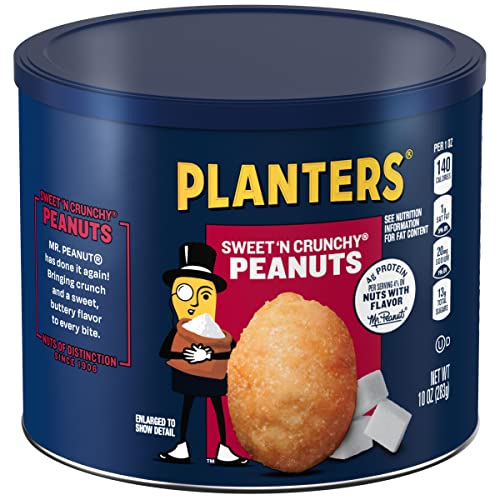
Planters Sweet 'N Crunchy Peanuts, 10 oz (pack of 6)
PLANTERS
Mid-Range
Aiva Raw Spanish Peanuts 10 lb Case, unsalted whole red-skin
AIVA WE BELIEVE IN QUALITY
Mid-Range
Virginia Diner All Natural Gourmet Virginia Nuts Peanuts 9oz (4 Pack) Salted
Virginia Diner
Mid-Range
Hubs Peanuts Honey Kissed in Vacuum-Sealed Tin
Hubbard Peanut Company
Mid-Range
Hubs Peanuts Big Reds Virginia Nuts with Red Skins
Hubbard Peanut Company
Mid-Range
Planters Unsalted Dry Roasted Peanuts, 16 oz (pack of 6)
PLANTERS
Budget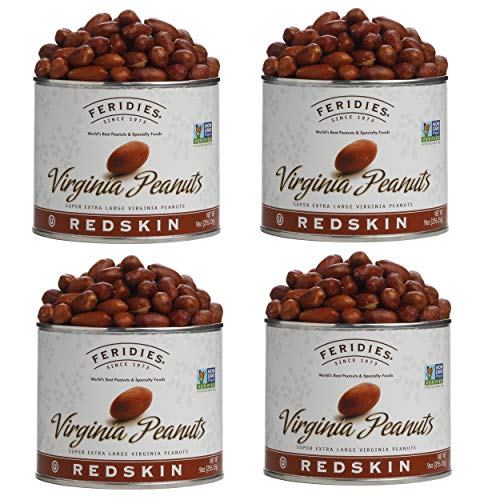
Feridies Extra Large Salted Red Skin Peanuts
The Peanut Patch, Inc.
Mid-Range
Planters Lightly Salted Dry Roasted Peanuts - 16 oz jars (pack of 12)
PLANTERS
Budget
Feridies Virginia salted extra large peanuts (4 pack)
FERIDIES
Mid-Range
Belmont Peanuts Gourmet Sea-Salted Virginia Peanuts (2 pack)
Belmont Peanuts
Mid-Range
P-Nuttles Butter Toffee Peanuts 2-Pack
P-nuttles
Mid-Range
Planters Unsalted Dry Roasted Peanuts, 16 oz (12-pack)
PLANTERS
Mid-Range
Belmont Peanuts Gourmet Sea Salt & Black Pepper Virginia Peanuts
Belmont Peanuts
Mid-Range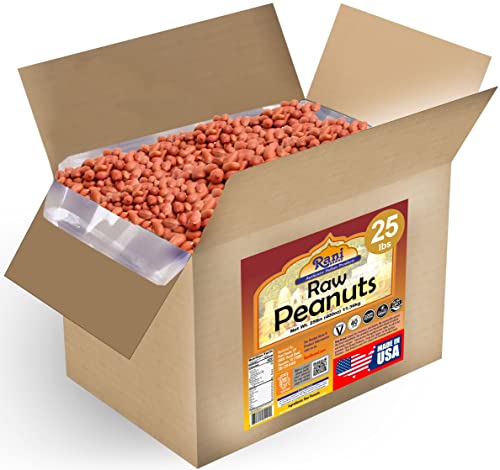
Rani Raw Whole Peanuts, Red-Skin - 25lb bulk
Rani Brand Authentic Indian Products
Premium
Virginia Diner XL Blister Roasted Gourmet Peanuts
Virginia Diner
Mid-Range
RAW peanuts in shell, jumbo size, 10 lb bulk bag
C.J. Dannemiller
Budget
Hubs Peanuts Premium Salted Virginia Nuts (2 x 40 oz cans)
Hubbard Peanut Company
Mid-Range
Snak Club Toffee Peanuts Candied Nuts with Praline Coat
Snak Club
Budget
Fisher Snack Butter Toffee Peanuts (6 x 42 oz) without artificial colors
Fisher Nuts
Mid-RangeRoundups
Frequently Asked Questions
How do I choose the right type of peanuts for health and wellness?
Choose based on processing and intended use: raw or dry-roasted peanuts retain more nutrients, dry-roasted without oil reduces added fat, and boiled or roasted-salted varieties may add sodium. Consider unsalted or lightly salted options if managing sodium, and opt for single-ingredient or minimally processed products if you want fewer additives
What nutritional benefits do peanuts provide and how should I factor them into my diet?
Peanuts are a plant-based source of protein, healthy monounsaturated and polyunsaturated fats, fiber, and micronutrients like magnesium and niacin; they can support satiety and muscle maintenance but are calorie-dense, so moderate portion sizes (about a small handful) are recommended for weight management
Are there allergen or safety considerations I should know before buying peanuts?
Peanuts are a common allergen and can cause severe reactions; check for allergy warnings and cross-contamination statements on packaging. Also review storage and expiration information—discard products with mold or off-odors since peanuts can develop aflatoxins if improperly stored
How does price vary across health-focused peanut products and what should I expect to pay?
Health-oriented peanut products span a range: basic bulk or pantry peanuts tend to be the most affordable, while specialty items (organic, single-origin, sprouted, or value-added blends) command higher prices; in this category, average product pricing is in the mid-range, so compare per-ounce cost to gauge value
What should I look for on ingredient labels when buying peanut-based products?
Look for short ingredient lists with peanuts listed first and minimal added sugars, oils, or preservatives; for nut butters, check that added oils are identifiable (e.g., peanut oil) and that salt and sugar levels align with your dietary needs
How should I store peanuts to maintain freshness and nutritional quality?
Store unopened peanuts in a cool, dry place away from direct sunlight; once opened, keep them in an airtight container in the refrigerator for long-term freshness, especially for nut butters or roasted nuts, to slow rancidity of fats
Are there specific peanut forms better suited for certain health goals (weight loss, high-protein diets, meal prep)?
For higher protein and convenience, choose plain roasted peanuts or natural peanut butter with no added sugars; for calorie-controlled diets, portioned snack packs or single-serve servings help manage intake; for cooking and meal prep, roasted or powdered peanuts can add flavor with varying calorie density