Rotini Pasta
Rotini Pasta in Health & Wellness covers short, spiral-shaped pasta options focused on dietary needs like low-carb, high-fiber, and organic formulations. The niche includes brands such as Big Green Organic Food and spans mid-range to premium prices (about $32–$87), with an average rating around 4.25 across 11 products
Top Products

Low Carb Pasta, 3-Pack Elbow, 7g net carbs, 12g protein
Great Low Carb Bread Company Co.
Budget
Fiber Gourmet Light Rotini Keto Pasta - 6 Pack
Fiber Gourmet
Budget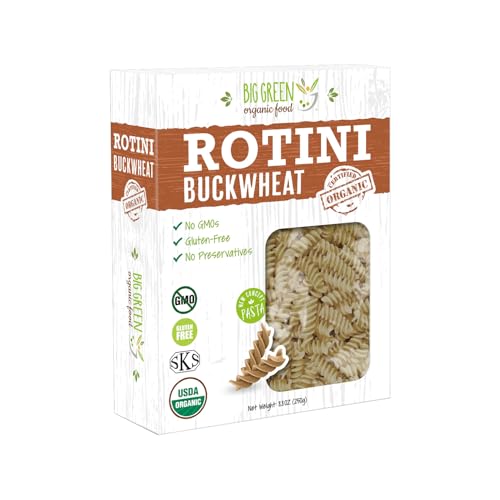
Big Green Organic Buckwheat Rotini, 8.8oz, gluten-free
Big Green Organic Food
Mid-Range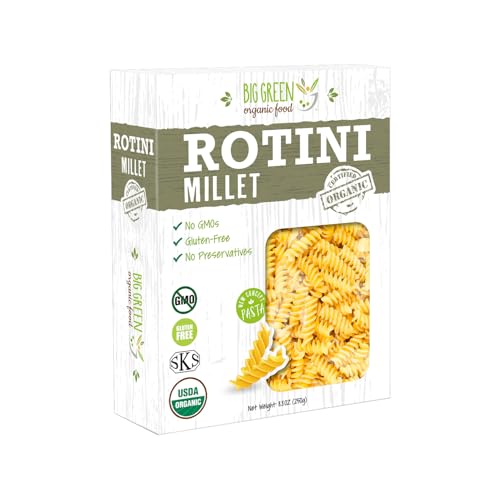
Organic Millet Rotini - gluten-free, vegan
Big Green Organic Food
Mid-Range
Care Free Kitchen Keto Rotini Variety 3-Pack
Care Free Kitchen
Budget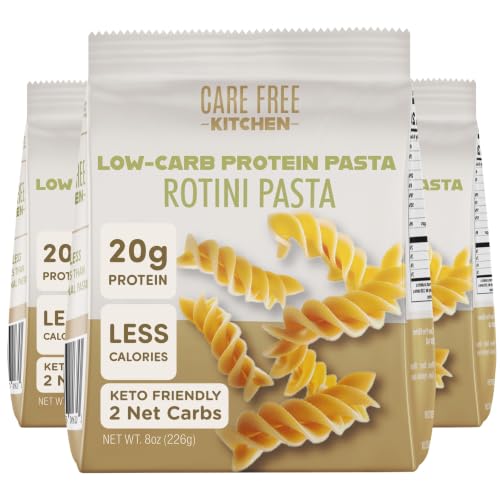
Care Free Kitchen Keto Rotini Pasta Noodles (3-Pack, 8 oz bags)
Care Free Kitchen
Budget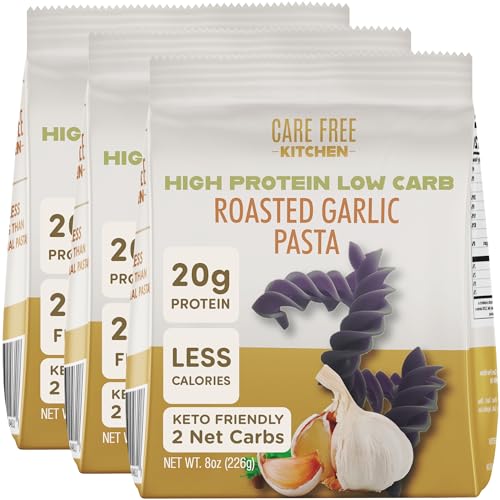
Care Free Kitchen Roasted Garlic Keto Rotini Pasta Noodles 3-Pack
Care Free Kitchen
Budget
Care Free Kitchen Sundried Tomato Rotini Pasta (3-pack, 8 oz each)
Care Free Kitchen
Budget
Organic sorghum rotini pasta, gluten-free and vegan
Big Green Organic Food
Mid-Range
Chefs Kiss Low Carb Rotini
Chef's Kiss
Mid-Range
Organic Millet Rotini, gluten-free & vegan
Big Green Organic Food
PremiumRoundups
Frequently Asked Questions
How do I choose a healthy rotini pasta?
Look at ingredient lists and nutrition facts: prefer whole-grain, legume-based, or high-fiber flours for more fiber and protein, check sodium and added sugar levels, and choose products with minimal additives if you want a cleaner label
Are there low-carb or gluten-free rotini options for special diets?
Yes; manufacturers commonly offer rotini made from alternative flours like chickpea, lentil, cauliflower, or grain-free blends that are labeled gluten-free or lower in net carbs—verify nutrition labels for carbohydrate and fiber content to confirm suitability
How should I interpret serving size and calories on rotini packaging?
Serving sizes are often 56–85 g (dry) and calories reflect that portion; compare grams per serving across brands and multiply by planned portions to estimate total calories for a meal rather than relying on number of people
What shelf life and storage practices keep dry rotini fresh?
Dry rotini stored in a cool, dry place stays good for 12–24 months per typical pantry pasta; after opening, keep it in an airtight container to protect against moisture and pests
How do cooking times vary for different healthy rotini types?
Cooking times differ: whole-grain rotini often takes slightly longer than refined wheat, and legume- or vegetable-based rotini can have shorter or similar times—follow package directions and test for 'al dente' a minute or two before the stated time
What should I expect for texture and taste with alternative-ingredient rotini?
Whole-grain rotini is nuttier and firmer, legume-based varieties are denser with a beany note and higher protein, and vegetable- or fiber-enriched rotini can be softer or slightly grainy; pairing with suitable sauces can balance differences
Is there a price range I should expect for health-focused rotini?
Health-focused rotini typically costs more than basic refined pasta; expect a range where many options fall under $50 per typical multi-pack category, with premium specialty blends priced higher depending on ingredients and brand