Sea Vegetables
Sea vegetables in Health & Wellness include dried seaweeds, sea moss gels and powders, and culinary kelps for nutrition and supplementation. The category averages a 4.34 rating across 12 products, mid-range priced (about $32–$45) and features brands such as TrueSeaMoss
Top Products

TrueSeaMoss Sea Moss Gel 5-in-1 Formula
TrueSeaMoss
Budget
Aqua Veggies Atlantic Dulse Flakes 227g
Aqua Veggies Ltd
Budget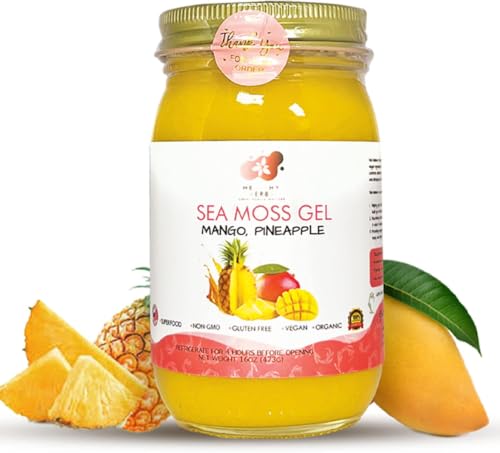
Healthy Herbs Sea Moss Gel with Sweet Mango Pineapple
Healthy Herbs
Budget
Super Sea Moss
Markus
Budget
Sea Moss Gel - Raw Irish Sea Moss, 28oz, Pineapple Flavor
OALSE
Mid-Range
Healthy Herbs Sea Moss Gel (Strawberry Banana) 16 oz
Healthy Herbs
Budget
Sea Moss Gel (Strawberry) Wildcrafted from Jamaican Seamoss
Healthy Herbs
Budget
Healthy Herbs Sea Moss Gel (Sweet Strawberry) 16 oz
Healthy Herbs
Budget
Wildcrafted Sea Moss - 4 colors (8oz, sun-dried) from St. Lucia
Helen of the West
Budget
Wildcrafted Sea Moss from St. Lucia (8oz) - 4 Variations
Helen of the West
Mid-Range
TrueSeaMoss Wildcrafted Irish Sea Moss Gel with Pineapple
TrueSeaMoss
Budget
Oceans Balance Wakame Flakes – Maine Seaweed
Ocean's Balance Clean Taste of Maine
Mid-RangeRoundups
Frequently Asked Questions
How do I choose which type of sea vegetable is right for my diet?
Choose based on nutrient profile and intended use: nori and dulse are mild and good for snacking or garnishes, wakame is common in soups and salads, kelp and kombu are higher in iodine and often used in broths, and sea moss is used for gels and smoothies. Check product labels for sodium, iodine, and added ingredients if you have dietary restrictions
Are there safety concerns or interactions I should know about before buying sea vegetables?
Sea vegetables can be high in iodine and sodium, which may affect thyroid conditions or blood pressure; they can also absorb heavy metals from the environment, so look for brands that test for contaminants. If you have health conditions or take medications, consult a healthcare provider before adding concentrated seaweed products to your diet
What form factors do sea vegetables come in and how do they affect price and use?
Common forms include dried sheets or flakes, powders, capsules, and raw/salted jars; dried sheets and flakes are typically used for cooking, powders for smoothies or seasoning, and capsules for supplements. Price varies with processing and packaging—simple dried products tend to be less expensive than specialty extracts or tested supplements
How can I tell if a sea vegetable product is high quality?
Look for clear labeling of species and origin, third-party testing or certificates for heavy metals and microbiological safety, minimal additives (especially low sodium), and transparent processing methods (e.g., air-dried vs. chemically treated). Reviews and average ratings can also help assess consistency across purchases
What are practical storage and preparation tips for sea vegetables?
Store dried sea vegetables in a cool, dry place in airtight containers to preserve flavor and nutrients; powders should be kept sealed and away from light. Rehydrate sheets or flakes in water before use, rinse if salted, and add delicate varieties like wakame near the end of cooking to retain texture
How should I compare sea vegetable products on price and value?
Compare unit prices (per ounce or gram) and consider concentration—powders and extracts may cost more but deliver higher nutrient density per serving. Factor in certifications and third-party testing, which can justify higher prices for products with contaminant screening
Can sea vegetables be used by people with dietary restrictions like vegan, gluten-free, or low-sodium diets?
Most pure sea vegetables are naturally vegan and gluten-free, but check labels for added sauces, salt, or flavorings; those on low-sodium diets should choose unsalted or low-sodium products and monitor portion sizes